


The GLP-1 Grocery List: Foods That Support Appetite, Energy & Long-Term Success
/
GLP-1 Grocery & Pantry List (Simple, Flexible + Real-Life Guide)
Starting or continuing a GLP-1 medication can bring up a lot of questions around food.
Appetite changes. Fullness comes faster. Some days you may feel like you barely want to eat at all.
Because of that, grocery shopping can feel confusing — even overwhelming at first.
This guide is here to simplify things. Not with strict rules. Not with perfection. But with a realistic way to build meals and a kitchen that actually supports how you feel now.
First: You don’t need to start over
Before you change anything, pause here.
You do not need to overhaul your entire kitchen.
You do not need a “perfect” grocery cart.
And you definitely don’t need to figure everything out in week one.
Instead, start small:
Pick ONE focus for this week:
Breakfast only
Add protein to one meal per day
Improve your snacks
Add more fiber at dinner
That’s it.
Once that feels easy, you build from there.
Progress comes from layering habits — not replacing your whole life.
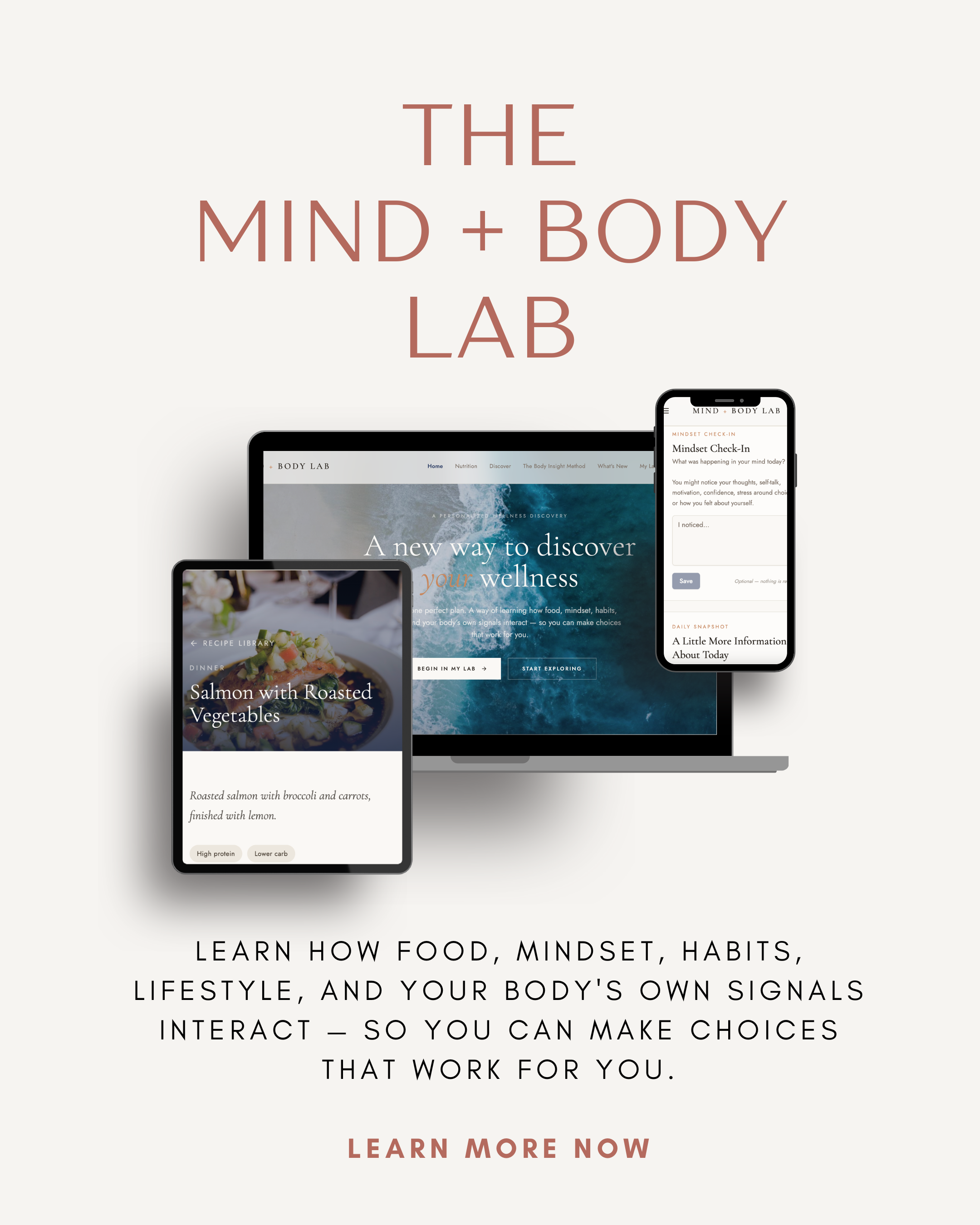
Ready to dive deeper into wellness? We created the Mind + Body Lab to support your goals in mindset, wellness and weight loss. Check it out now or head to the free grocery list first.
How to think about food on GLP-1s
The goal is not restriction.
The goal is support.
You’re trying to:
stay nourished with smaller portions
protect muscle mass
keep energy steady
support digestion
feel satisfied after eating
Not every meal needs to be perfect.
Just grounded and supportive enough for your body right now.
The simple “build your plate” guide
If you like structure, use this:
Protein + Fiber + Something Satisfying
That’s it.
Protein → supports muscle + fullness
Fiber → supports digestion + blood sugar
Carbs or fats → support energy + satisfaction
You don’t need more complexity than that.
Why this simple structure works (and what actually matters)
When food feels different on GLP-1s, it helps to understand why certain nutrients matter more than others. This isn’t about rules — it’s about giving your body what it needs in a smaller, more intentional way.
Protein: protects your muscle mass, strength and keeps you satisfied
Because appetite is often lower, it can be easy to unintentionally under-eat protein. Protein helps maintain muscle mass, supports metabolism, and keeps you fuller for longer. It also helps stabilize energy so you don’t feel depleted between meals.
Think of protein as your foundation — not something extra to “try to get in,” but something to build each meal around.
Fiber: supports digestion and steadier energy
Fiber helps support gut health, digestion, and blood sugar balance — all especially important when eating less overall. It also helps meals feel more complete and satisfying, even in smaller portions.
On GLP-1s, fiber is less about “eating a lot of vegetables” and more about choosing what your body tolerates well and consistently including it in simple ways.
Healthy fats + carbs: support satisfaction and balance
When meals are smaller, satisfaction matters more than ever. Healthy fats and smart carbohydrate choices help meals feel grounding and complete.
Without them, you may find yourself eating too little or not feeling fully nourished — even if protein intake is solid.
The goal is not restriction. The goal is balance in smaller portions.
Hydration: supports digestion, regularity, energy, and appetite cues
Hydration plays a much bigger role than most people realize on GLP-1s. It supports digestion, helps with feelings of fullness, and can even influence how hunger cues are interpreted.
It’s also a crucial piece of regularity and paired with enough fiber can be very helpful in supporting that process.
When you’re eating less, hydration becomes part of your nutrition — not separate from it.
Aim to sip water consistently throughout the day rather than trying to “catch up” all at once. Herbal teas, electrolytes, and water-rich foods can also support this.
Protein Staples (Start Here First)
If there is one area to prioritize on GLP-1s, it’s protein.
Not because you need perfection — but because appetite changes can make it easy to unintentionally under-eat.
Animal-based options
Chicken breast or thighs
Ground turkey
Eggs
Salmon (fresh or frozen)
Shrimp
Canned tuna or salmon
Greek yogurt (plain)
Cottage cheese
Plant-based options
Tofu or tempeh
Edamame
Lentils
Chickpeas
Chia seeds
Hemp seeds
Simple rule:
Try to include a protein source every time you eat — even if it’s small.
If you only do one thing from this list, start here.
Easy Carbohydrates (for steady energy)
Carbs are not the problem.
Inconsistent nourishment is.
Choose simple, easy-to-digest options:
Quinoa
Rice (white or brown)
Oats
Sweet potatoes
Sourdough bread
Rice cakes
Pasta or orzo
Beans
Simple rule:
Pair carbs with protein or fat so they feel more balanced and keep you fuller longer.
Fiber-Rich Vegetables (go gentle, not extreme)
On GLP-1s, digestion can slow down — so the goal is not “more vegetables at all costs.”
The goal is:
choose vegetables your body actually tolerates well.
Spinach
Zucchini
Cucumber
Bell peppers
Carrots
Green beans
Asparagus
Mixed greens
Roasted vegetables
Simple shift:
If raw vegetables feel heavy → choose cooked versions instead.
Fruits (light, easy nutrition)
Fruit is often easier to tolerate when appetite is low — and can help with hydration and energy.
Berries
Apples
Pears
Citrus fruits
Bananas
Peaches or nectarines
Simple idea:
Use fruit as a “bridge food”:
in smoothies
with yogurt
as a light snack
alongside protein
Healthy Fats (small amounts go a long way)
Fat helps with satisfaction and nutrient absorption — but you don’t need much.
Olive oil
Avocado
Nuts (almonds, walnuts, pistachios)
Nut butters
Chia or flax seeds
Simple rule:
Think add-on, not base.
A drizzle. A spoon. A sprinkle.
Pantry & Convenience Foods (because real life exists)
These are your “low effort” supports for busy days, low appetite days, or days when cooking just isn’t happening.
Protein powder (whey or plant-based)
Bone broth
Low-sodium soups
Hummus
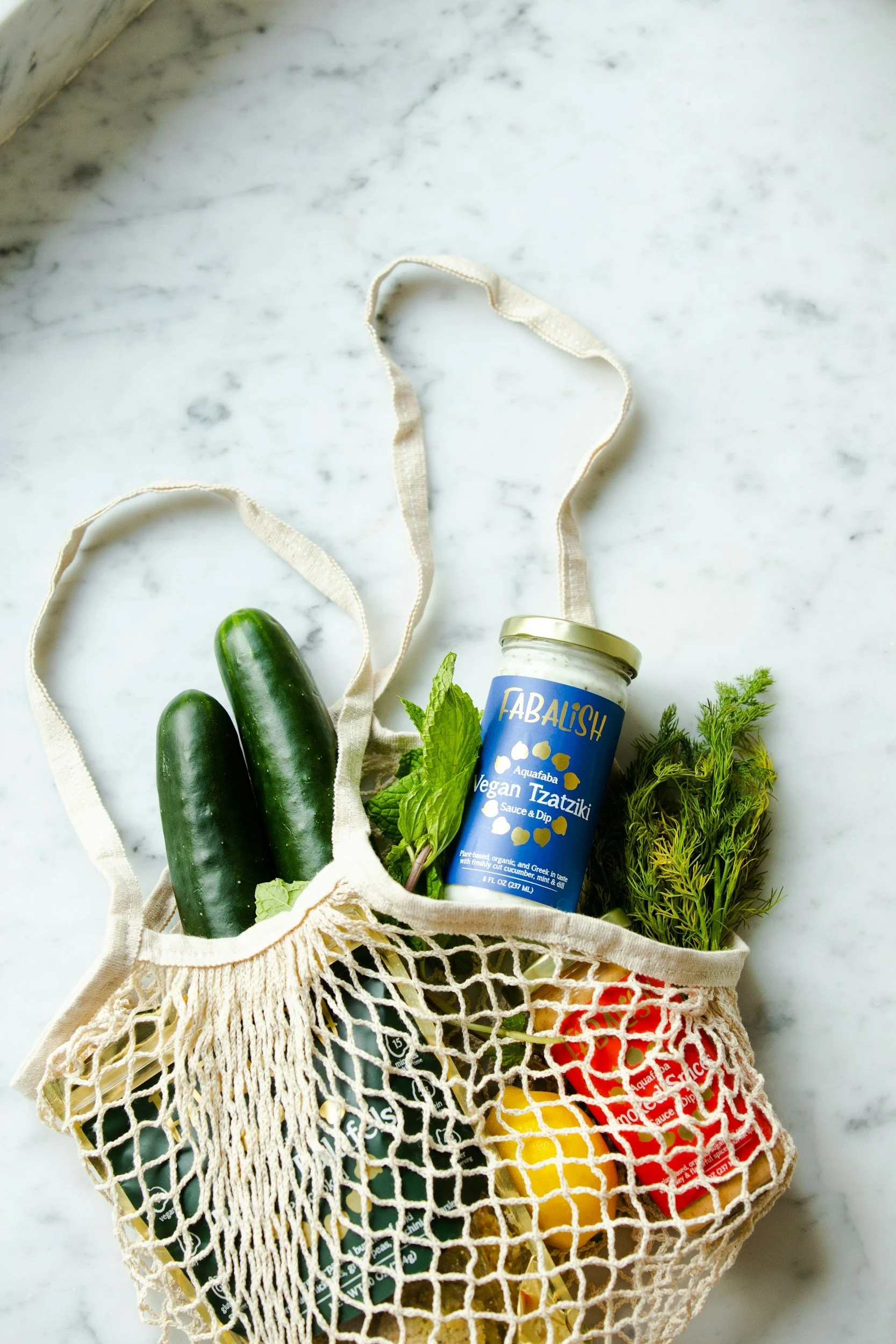
Tzatziki
Frozen vegetables
Frozen protein (chicken, shrimp, fish)
Smoothie ingredients
This category matters more than people think.
Convenience foods are what help you stay consistent when life is full.
Spices & Flavor Boosters (make eating easier)
When appetite is lower, flavor can actually help food feel more appealing.
Sea salt & black pepper
Garlic powder
Onion powder
Smoked paprika
Cinnamon
Oregano
Basil
Dill
Turmeric
Ginger
Red pepper flakes
Lemon juice & zest
Vinegars (balsamic, apple cider)
Small changes here can completely change how meals feel.
How to actually use this list (this is the real strategy)
Don’t try to implement everything at once.
Instead:
Step 1: Look at what you already have
You likely already have a foundation.
Step 2: Add just a few essentials
Focus on:
protein
one easy carb
a few vegetables or fruits
Step 3: Build around ONE meal first
Not all meals.
Just one.
Breakfast is often the easiest place to start.
Maybe you add protein or fiber to boost one meal to start. Focus on doing that consistently. Build from there.
Step 4: Upgrade, don’t replace
Keep your normal foods — just support them better.
Example:
toast → add eggs
yogurt → add protein powder + berries
pasta → add chicken or shrimp
A final reminder
There is no single GLP-1 food plan that works for everyone.
Your job is not to follow a perfect system.
Your job is to notice:
What feels good in your body
What keeps you energized
What supports your goals
What actually feels sustainable
Then adjust from there.
IMPORTANT: GLP-1s are a tool — but your daily habits are what create lasting change.
This is about supporting your body fully.
Keep Going: Your Next Steps
Want to dive deeper? Here are a few resources to keep the momentum going:
📌 Related Posts
Ways To Learn & Grow
Body Insights Method - Learn how to work with your body and lifestyle to create sustainable wellness from the inside out.
Mind-Body Lab - A guided wellness membership where you'll learn, practice, and grow with monthly education, challenges, and practical wellness tools.
Personalized Wellness Coaching - One-on-one coaching and a personalized plan designed around your body, goals, and lifestyle.
THE MIND + BODY LAB - SAY HELLO TO A NEW WAY TO APPROACH YOUR WELLNESS
A way of learning how food, mindset, habits, lifestyle, and your body's own signals interact — so you can make choices that work for you.
Includes:
Nutrition Pathways (Mediterranean, High Protein, GLP-1 & More - recipes, meal plans & action steps)
Discovery - tools & educations to learn and experiment with. Enjoy topics from mindset (identity, self-talk, limiting beliefs, perfectionism), self-care, habits and motivation to nutrition and eating behaviors.
The Body Insight Method - Learn how to tune into your body & lifestyle to create a wellness plan that works for you.
What’s New (interactive) - A space for our coaches to post weekly topics, reflective thoughts, monthly challenges and more. This is also a place for interaction. You can comment and ask questions to learn more!
My Lab (intuitive + interactive) - Your personal space to practice what you’re learning. Check in, reflect and notice what you’re learning and what’s working (or what isn’t). Let the lab provide helpful tips and pattern recognition to support your wellness & mindset goals.
Get The Mind + Body Lab Today!