


Anti-Inflammatory Grocery & Pantry List: What to Buy for Everyday Health
/
What Is Inflammation (and Why It Happens)
Inflammation is the body’s natural defense response. When you’re injured, fighting an infection, or under stress, your immune system releases inflammatory signals to help protect and heal you. In the short term, this process is essential and beneficial.
Problems arise when inflammation becomes chronic. Ongoing stress, lack of sleep, highly processed foods, nutrient deficiencies, and environmental factors can all keep the body in a constant low-grade inflammatory state. Over time, this can quietly impact how you feel day to day.
The good news? Daily food choices play a powerful role in either calming or fueling inflammation.
Common Signs of Inflammation to Watch For
Chronic inflammation doesn’t always show up dramatically. Often, it appears as subtle, persistent symptoms, such as:
Low or inconsistent energy levels
Frequent digestive discomfort or bloating
Brain fog or difficulty concentrating
Joint stiffness or general aches
Skin issues or increased sensitivity
Trouble recovering from workouts
Feeling run-down despite adequate rest
While many factors contribute to these symptoms, nutrition is one area you can control.
Why Food Quality Matters
Food is information for the body. Highly processed foods—especially those high in refined oils, added sugars, and artificial ingredients—can promote inflammatory responses. On the other hand, whole, nutrient-dense foods provide antioxidants, fiber, healthy fats, and phytonutrients that help support the body’s natural balance.
An anti-inflammatory approach isn’t about restriction. It’s about prioritizing quality:
Choosing whole foods most of the time
Focusing on variety and color
Emphasizing healthy fats and adequate protein
Using herbs and spices generously
This way of eating naturally supports lower inflammation while still being flexible and enjoyable.
How Lower Inflammation Supports Overall Health
Reducing chronic inflammation can support:
More stable energy throughout the day
Improved digestion and gut health
Better blood sugar balance
Joint and muscle comfort
Clearer thinking and focus
Long-term cardiovascular and metabolic health
Want to go beyond the basics? Explore our Wellness Pathways and discover the tools, guidance, and support to help you create lasting wellness.
Anti-Inflammatory Grocery & Pantry List
Use this list as a guide—not a rulebook. You don’t need everything at once. Start with a few items and build from there.
Fresh & Frozen Produce
Leafy greens (spinach, kale, arugula)
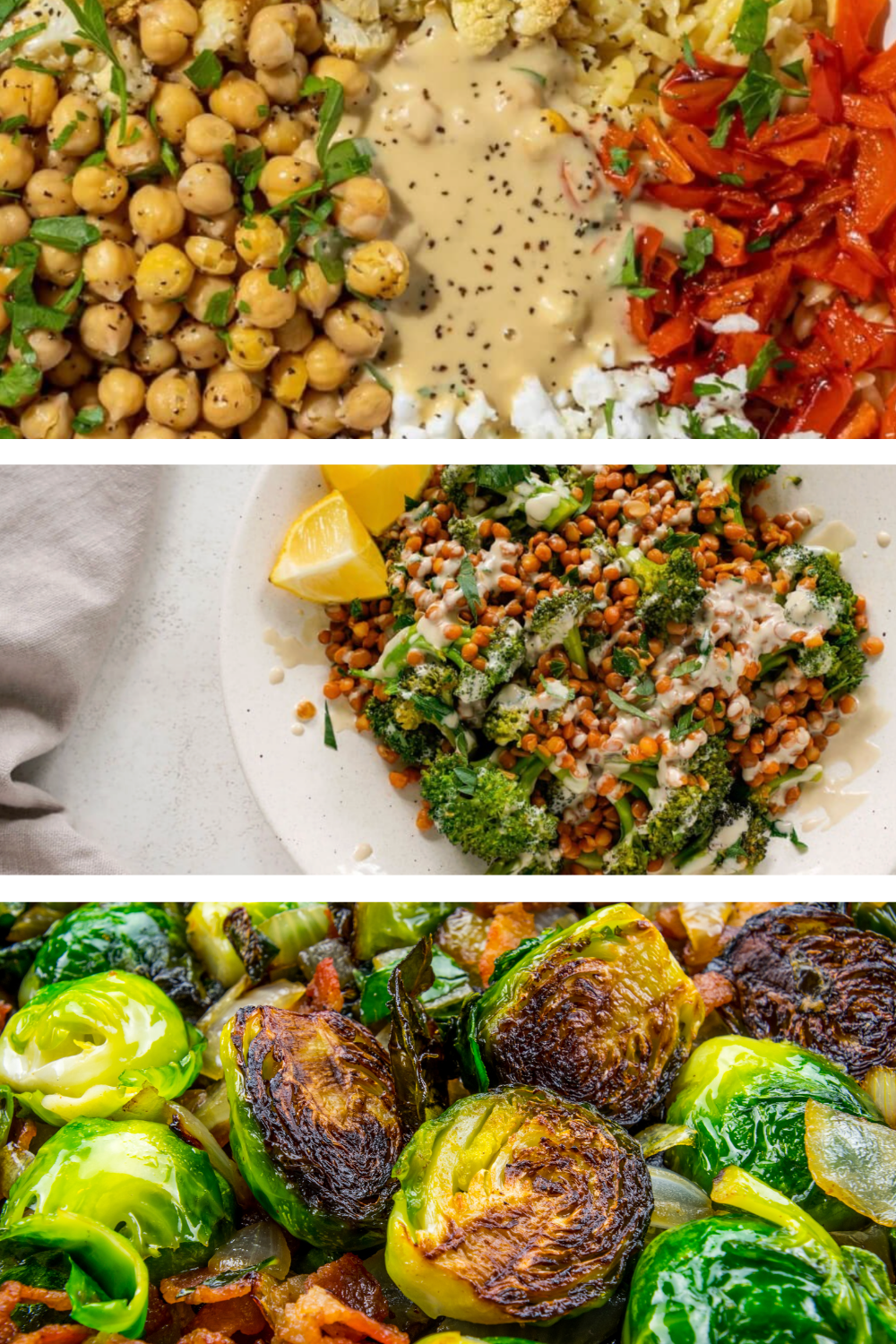
Cruciferous vegetables (broccoli, cauliflower, Brussels sprouts)
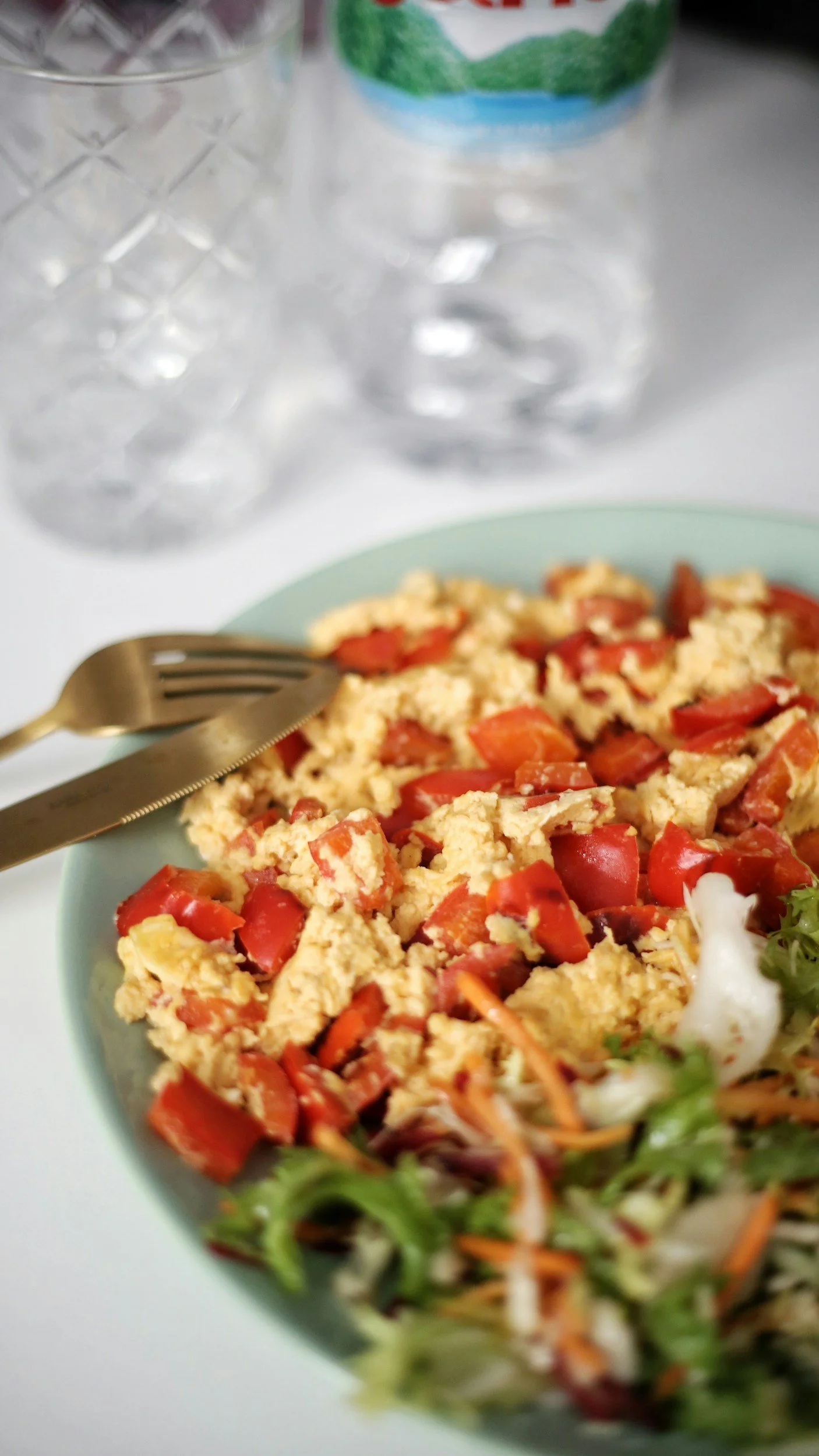
Bell peppers
Tomatoes
Zucchini
Sweet potatoes
Berries (fresh or frozen)
Citrus fruits (lemons, oranges, grapefruit)
Apples
Avocados
Protein Sources
Fatty fish (salmon, sardines, trout)
Shrimp
Chicken or turkey
Eggs
Greek yogurt or skyr
Cottage cheese
Lentils
Chickpeas
White beans
Tofu or tempeh
Healthy Fats
Extra virgin olive oil
Olives
Avocados
Almonds
Walnuts
Pistachios
Chia seeds
Flaxseeds
Hemp seeds
Whole Grains & Complex Carbohydrates
Quinoa
Brown rice
Farro
Oats
Whole wheat pasta
Barley
Pantry Staples & Flavor Boosters
Garlic
Onion
Ginger
Turmeric
Cinnamon
Paprika
Black pepper
Apple cider vinegar
Low-sodium broth
Canned tomatoes
Green olives
Capers
Green tea
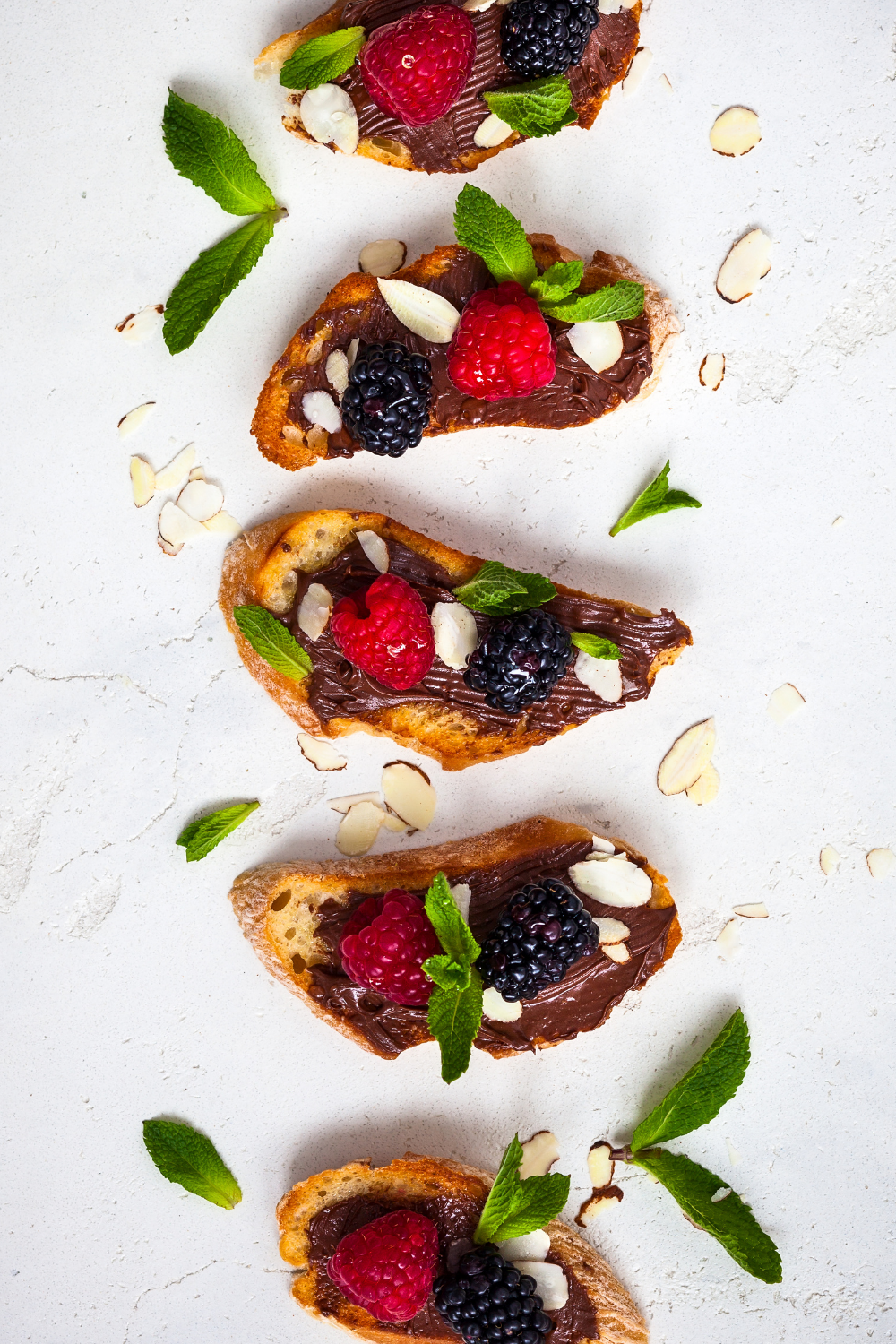
Dark chocolate (70% cacao or higher)
Foods to Limit (When Possible)
Rather than strict avoidance, think in terms of balance:
Ultra-processed snack foods
Sugary beverages
Refined vegetable oils
Excess added sugars
Highly refined grains
Enjoying these occasionally is normal. The goal is what you do most of the time.
How to Use This List
Choose 5–10 items to start
Build meals around protein + produce + healthy fat
Rotate foods week to week for variety
Focus on consistency, not perfection
Small, steady changes add up.
Modifications for Dietary Preferences
This approach is highly adaptable:
Gluten-free: Choose quinoa, rice, potatoes, and gluten-free oats
Dairy-free: Focus on fish, poultry, legumes, olive oil, nuts, and seeds
Nut-free: Use seeds, olives, avocado, and olive oil instead
Lower-carb: Emphasize non-starchy vegetables, protein, and healthy fats
Plant-based: Combine legumes, whole grains, vegetables, nuts, and seeds
→ Remember: Building an anti-inflammatory grocery list isn’t about doing everything at once. It’s about creating a foundation of nourishing foods that support how you want to feel—today and long term. - Margot
More Anti-Inflammatory Resources For You
Want to dive deeper? Here are a few resources to keep the momentum going:
📌 Related Posts
5 Anti-Inflammatory Meals to Support Your Health and Wellness
5 Blood Sugar Management Hacks to Boost Energy and Balance Your Health
Ways To Learn & Grow
Body Insights Method - Learn how to work with your body and lifestyle to create sustainable wellness from the inside out.
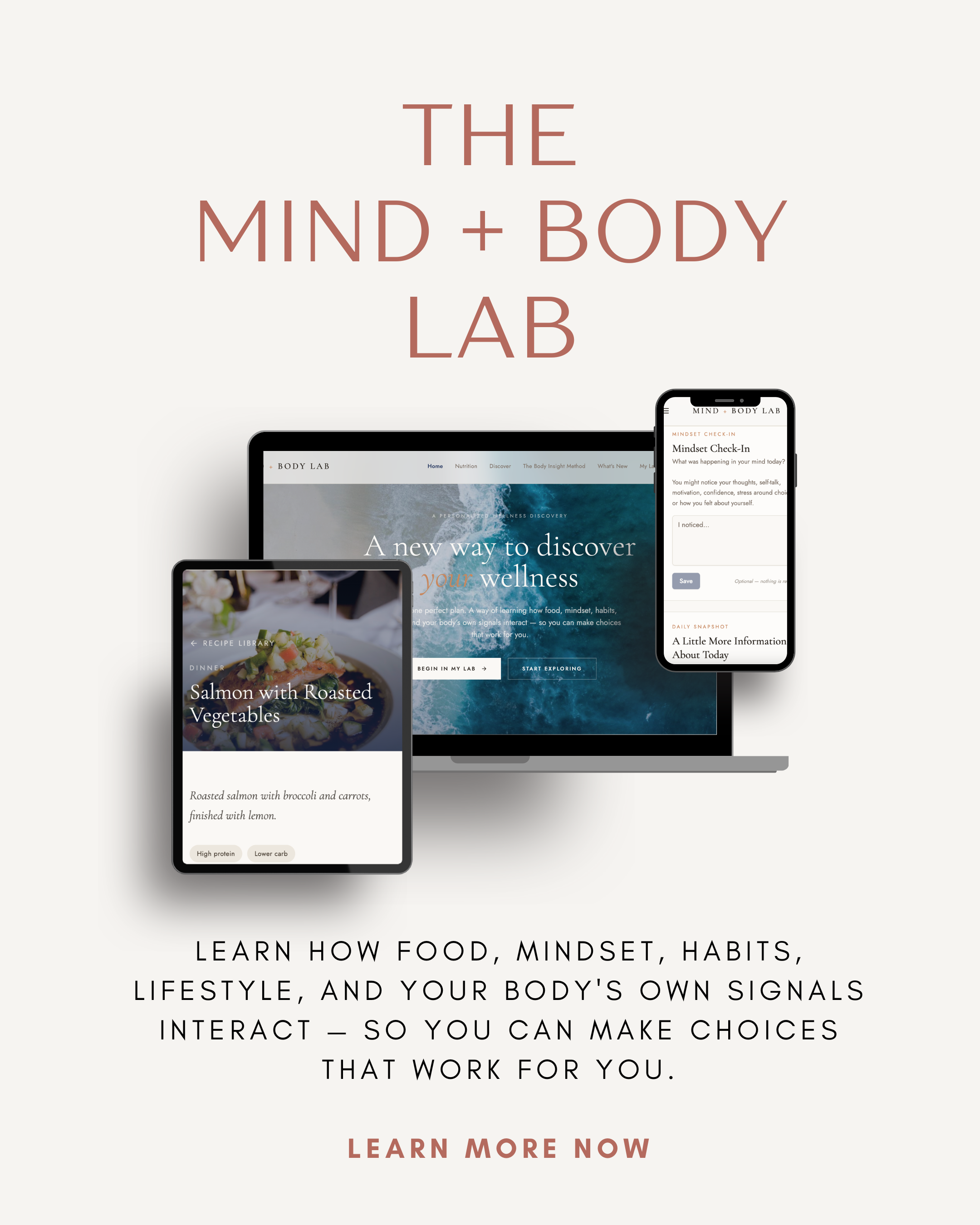
Mind-Body Lab - A guided wellness membership where you'll learn, practice, and grow with monthly education, challenges, and practical wellness tools.
Personalized Wellness Coaching - One-on-one coaching and a personalized plan designed around your body, goals, and lifestyle.
THE MIND + BODY LAB - SAY HELLO TO A NEW WAY TO APPROACH YOUR WELLNESS
A way of learning how food, mindset, habits, lifestyle, and your body's own signals interact — so you can make choices that work for you.
Includes:
Nutrition Pathways (Mediterranean, High Protein, GLP-1 & More - recipes, meal plans & action steps)
Discovery - tools & educations to learn and experiment with. Enjoy topics from mindset (identity, self-talk, limiting beliefs, perfectionism), self-care, habits and motivation to nutrition and eating behaviors.
The Body Insight Method - Learn how to tune into your body & lifestyle to create a wellness plan that works for you.
What’s New (interactive) - A space for our coaches to post weekly topics, reflective thoughts, monthly challenges and more. This is also a place for interaction. You can comment and ask questions to learn more!
My Lab (intuitive + interactive) - Your personal space to practice what you’re learning. Check in, reflect and notice what you’re learning and what’s working (or what isn’t). Let the lab provide helpful tips and pattern recognition to support your wellness & mindset goals.
Get The Mind + Body Lab Today!