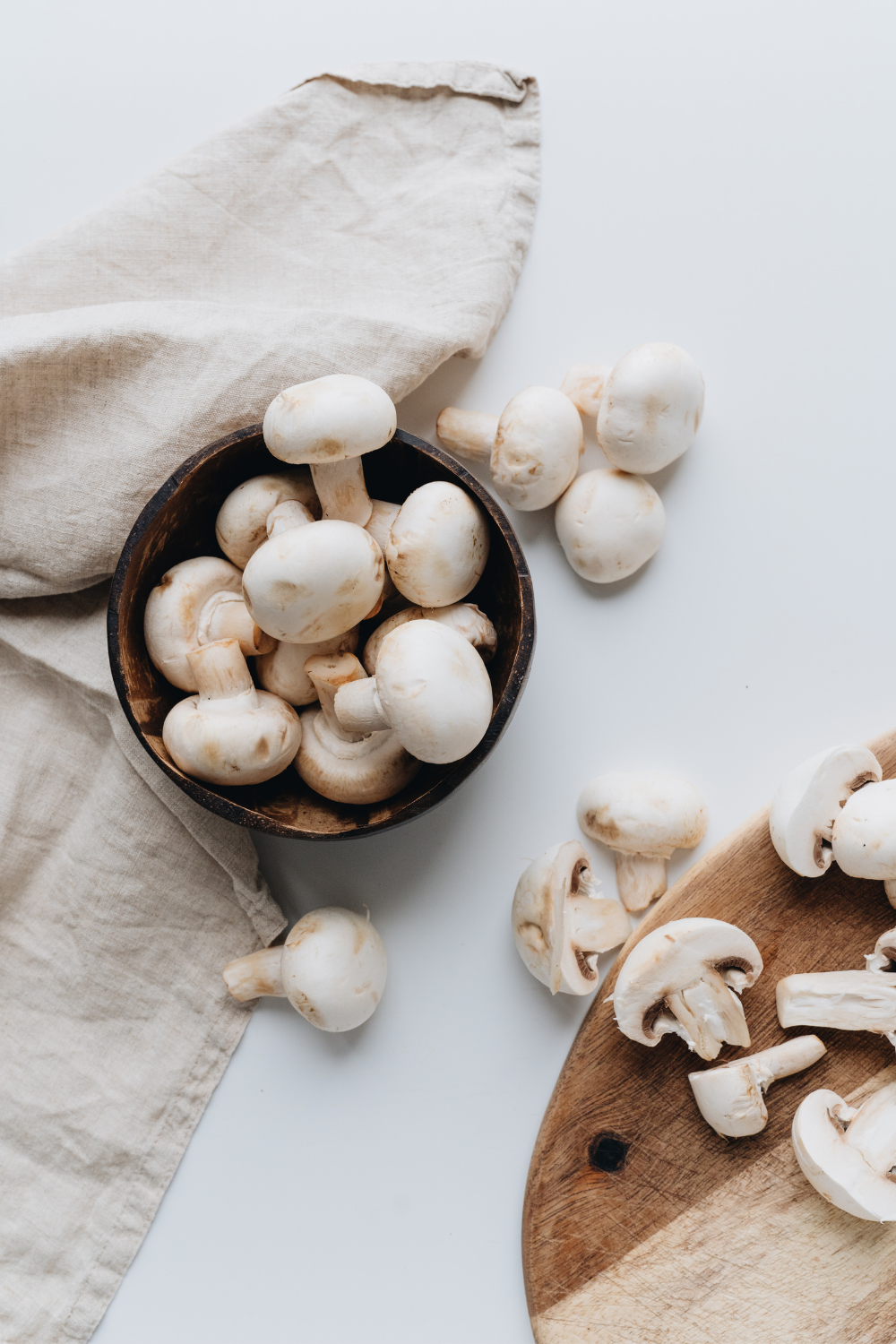

Many of our wellness retreat guests come to reduce stress so it’s something we like to address on a regular basis. Stress isn't just something that happens in your mind. Your body responds to stress, too, and nutrition can play a role in supporting how your body handles those demands.
There isn't one food that will make stress disappear, and food shouldn't be viewed as a treatment for anxiety or chronic stress. But consistently eating a variety of nutrient-dense foods can provide your body with the protein, healthy fats, fiber, vitamins, minerals, and antioxidants it needs to support overall health—including your nervous system and brain.
For mid-career professionals balancing demanding roles, family time, and a life outside work, career preparedness can start to feel like a second job.
The core tension is real: staying sharp for unexpected openings and job readiness challenges often collides with work-life balance, and the cost shows up fast in professional well-being. At the same time, ignoring readiness entirely can stall career growth strategies and make transitions harder than they need to be.
The goal here is “ready enough”, a steady, sustainable approach that keeps options open without living on edge.
Restoring your health and wellness doesn't always mean taking another medication, adding another supplement, starting another diet, or following another protocol.
Oftentimes, it means allowing yourself to slow down enough to actually listen to yourself. To understand your body. To pay attention to what feels good, what doesn't, what you need more of, and what you may need less of.
In the busyness of life, we can get caught up listening to everyone else but ourselves. We're constantly being told what we should eat, how we should exercise, how much we should weigh, how productive we should be, and what we need to do to be healthier.
But what if restoring your health starts with simply getting quiet enough to hear yourself again?
Breakfast can look a little different when you’re eating with a GLP-1 in the mix. Appetite may be lower, so instead of focusing on eating a large breakfast, the goal is to make the food you do eat count.
That means prioritizing protein, fiber-rich non-starchy carbohydrates, and a little healthy fat to create a balanced meal that is satisfying without being overly heavy. These 10 breakfasts are simple, budget-friendly, and designed to provide approximately 25 to 30 grams of protein per serving.
You don't need specialty foods or complicated recipes. Most of these meals use simple ingredients you can find at any grocery store, and many can be prepped ahead for busy mornings.
As summer starts to wind down, I find myself naturally reaching for meals that feel a little more substantial. Crisp salads still have their place, but there’s something really satisfying about a bowl of warm roasted vegetables, hearty grains, lentils and creamy dressings.
These three recipes are perfect for that in-between season. They’re packed with vegetables and plant-based ingredients, but they’re also easy to customize with your favorite protein if you want to turn them into a more complete meal.
And you don't need lettuce to make a great salad.
Busy parents and caregivers juggling work, school schedules, and household demands often want family self-care to happen, but it keeps getting pushed to “later.”
The tension is simple: wellness becomes one more task, while stress, short tempers, and scattered days quietly shape the home. Without shared family health routines, even well-meant self-care strategies for families stay inconsistent and everyone feels it.
A clear, realistic plan builds family wellness motivation and supports holistic family wellbeing as a normal part of daily life.
Life’s pace has quickened as we are caught up in cycles of perpetual work, social and family obligations, screen time and the incessant need to be available. As a result of this, burnout is almost universal. Fortunately, people recognize this and are making positive changes to combat this burnout and exhaustion. Pausing, relaxing and resetting is in high demand. It is no surprise people are seeking out mental health retreats.
Vacations do little to nothing to reset. Wellness retreats, on the other hand, are purposed for just that. They offer therapeutic relief along with nature immersion, movement and community involvement. Changes can truly last for years following an intentional retreat.
This article will provide insight into the power of retreats. We will review the impact of retreats on participants and the reasons they work. We will explore how depression life coaching complements retreats. We will also explore negative thinking and how it consists of retreats. This article is intended to put the pieces of the “mental reset” puzzle together so that you can enjoy infinite renewal.
When we think about our mood, we usually look outside of ourselves for the answer. We look to the external.
Maybe you're stressed about work. Maybe there's tension in a relationship, you're worried about finances, you're overwhelmed by family responsibilities, or you're simply having one of those days when everything feels a little harder than usual. And, of course, all of those things matter.
Our mood is influenced by what is happening around us, how we're thinking about ourselves, how we're sleeping, how much stress we're carrying, and how we're feeling about our health and our lives as a whole. But there's another piece of the puzzle that we don't always think about:
What we eat can influence how we feel.
Eating high-protein and lower-carb doesn't have to mean giving up the foods you love or living on salads and grilled chicken. The goal is to create meals that are satisfying, nutrient-dense, and easy to fit into real life.
For many people, increasing protein while being more intentional about carbohydrates can help meals feel more satisfying and make it easier to manage hunger throughout the day. The key is to focus on what you can add—protein, vegetables, healthy fats, and fiber—rather than simply focusing on what you need to take away.
And remember, lower-carb doesn't have to mean no-carb. Foods like berries, beans, lentils, vegetables, and whole grains can still be part of a healthy eating pattern. Your individual nutritional needs, preferences, activity level, and health goals matter, so use these recipes as a starting point and customize them for you.
Connect With Us
Phone: 561.231.0693
Email: retreats@bvretreat.com
Join Our Team: Careers
Collaborations & Partnerships: Learn More
©VITA VIE RETREAT, INC 2006 – 2026.
All rights reserved.
For busy parents juggling work and wellness, the hardest part of cooking at home often isn’t motivation, it’s the mess of it all: handwritten recipes in different drawers, half-remembered steps, and home cooking traditions that only “work” when a certain aunt is in the kitchen.
That’s where family recipe preservation stops being sentimental and starts being practical, because a scattered family culinary heritage can’t support healthy meal planning on a random Tuesday.
When those recipes are saved in a way that’s clear and usable, they become a reliable routine with real meaning. Keeping family favorites alive should feel doable.