




Simple Steps Busy Women Can Use to Beat Burnout and Boost Wellness
/
For busy women balancing careers, family logistics, and everyone else’s needs, the daily grind can feel like a never-ending loop of doing more with less energy. The core tension is real: women’s wellness challenges often get pushed to the bottom of the list, even as stress, low motivation, and messy nutrition habits chip away at work-life balance and mood.
With growing mental health awareness, it’s clear that burnout isn’t a personal failure, it’s a signal that the current pace isn’t sustainable. Small, realistic shifts can support well-being improvement without requiring a total life overhaul.
Quick Summary: Beat Burnout, Boost Wellness
Start with simple fitness routines that fit your schedule and build energy without adding stress.
Use stress management techniques to calm your nervous system and reset between daily responsibilities.
Choose nutritional guidance basics that support steady energy, mood, and healthier habits.
Pick one or two practical wellness strategies to try today, then build from small wins.
Try These 8 Everyday Upgrades for Body and Mind
Busy days don’t need a perfect wellness plan, they need a few reliable defaults you can lean on. Think of these as “mix-and-match” upgrades that support the quick-scan basics: move a little, eat mostly real food, calm your nervous system, and protect your sleep.
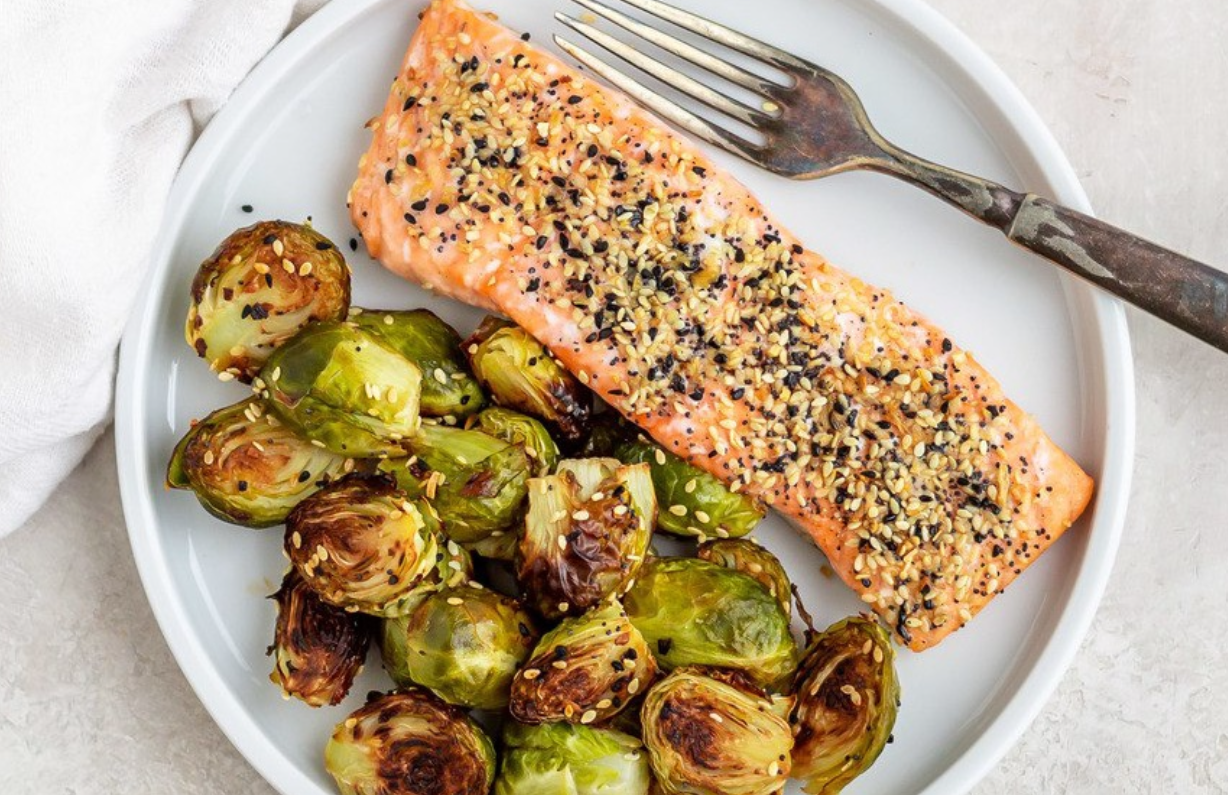
Build a “good-enough” plate you can repeat: Start with a simple template: 1–2 palms of protein, 1 fist of high-fiber carbs, 1–2 fists of veggies or fruit, plus a thumb of healthy fat. Keep a short grocery list you actually like (rotisserie chicken, Greek yogurt, beans, salad kits, frozen veg, berries, microwavable grains). Repetition reduces decision fatigue, which is a sneaky driver of burnout.
Create a 12-minute home workout menu: Pick two strength moves, one cardio move, and one mobility move, and rotate them. Example: squats + rows, brisk stair intervals, then 60 seconds of hip openers. Set a “minimum dose” rule: if you can’t do the full workout, do one round and count it. This keeps your identity as someone who moves, even on packed days.
Use a 30-minute stress reset (even if it’s not all at once): A walk, easy yoga flow, or a phone-free stretch session can be enough to change the feel of your whole evening. The link between time and impact is real, stress levels decreased with 30 minutes. If 30 straight minutes is impossible, stack three 10-minute “micro-breaks” across your day.
Upgrade sleep with a “lights-out runway”: Set a 20–30 minute routine that starts before you’re exhausted: dim lights, warm shower, two minutes of slow breathing, and a consistent bedtime window. Try “worry parking”: write tomorrow’s top three tasks on paper so your brain doesn’t keep rehearsing them at 2 a.m. If noise is an issue, experiment with earplugs, research has linked earplug placement with a lower relative risk of delirium in hospital settings, which is a good reminder that protecting sleep matters.
Make habit change ridiculously easy (then earn the right to add more): Tie one tiny habit to something you already do: after coffee, drink a full glass of water; after brushing teeth, do 5 bodyweight squats; after lunch, take a 5-minute walk. Keep the goal “too small to fail” for two weeks before you level it up. Consistency beats intensity when your schedule is unpredictable.
Pick a hobby that’s pure recovery, not another performance metric: Choose something that absorbs your attention without demanding perfection, gardening, puzzles, a casual dance class, cooking one new recipe a week, or learning a few yoga poses. Put it on the calendar like an appointment. Recovery hobbies refill your mental tank so workouts and nutrition feel easier.
Treat checkups like maintenance, not a crisis response: Book one preventive appointment you’ve been delaying, physical, dental cleaning, vision, or labs, then set the next reminder before you leave. Bring a short note with 2–3 symptoms or questions so you don’t freeze in the moment. Catching issues early protects your energy and keeps you training safely.
Stay connected on purpose (small counts): Burnout thrives in isolation, so build “light-touch” connections: a weekly walk with a friend, a standing coffee date, or a group class where people know your name. If time is tight, send two check-in texts during your commute or while making dinner. A supportive community makes hard weeks feel doable, and helps you stick with your basics.
Small Weekly Rituals That Make Wellness Stick
Wellness retreats can kickstart fitness, nutrition, and mindset, but these habits help you carry the calm into regular life. Keep them simple, trackable, and patient since the median time to form a habit is longer than most of us expect.
Sunday Calm Planning
What it is: Pick three priorities, two meals, and two movement slots for the week.
How often: Weekly
Why it helps: Reduces decision fatigue when life gets loud.
Two-Minute Morning Check-In
What it is: Rate sleep, stress, and energy from 1 to 10, then choose one support.
How often: Daily
Why it helps: Builds self-trust and prevents overdoing it.
Strength Snack Circuit
What it is: Do one quick circuit of push, pull, hinge, and carry.
How often: 2 to 3 times weekly
Why it helps: Supports metabolism and mood without long workouts.
Walk and Talk Connection
What it is: Take a 15-minute walk while calling a friend or loved one.
How often: Weekly
Why it helps: Pairing movement and support makes consistency easier.
Consistent Sleep Anchor
What it is: Choose a fixed wake time since exercise frequency links to better sleep outcomes.
How often: Daily
Why it helps: Stabilizes your body clock and lowers burnout risk.
Pick one habit this week, then tweak it to fit your family’s real schedule.
Quick Answers for Overwhelmed, Busy Women
Q: What are simple strategies women can use to reduce daily stress and enhance their wellness?
A: Start with one “pause point” a day: three slow breaths before meals, school pickup, or your first email. Pair it with a tiny boundary like a 10-minute phone-free reset, so your nervous system gets a real signal to downshift. If you can, add one supportive touchpoint each week, like a walk with a friend or a short retreat-style class.
Q: How can I develop an exercise and nutrition routine that fits into a busy daily schedule?
A: Think in short blocks: two 10-minute strength sessions and two 20-minute walks can beat the all-or-nothing trap. For food, anchor meals around a protein plus two colors, then simplify one “default” breakfast and lunch. If sugar cravings spike with stress, the guideline to keep added sugar at 24 grams per day can be a clear north star.
Q: What are effective ways to improve sleep quality despite a hectic lifestyle?
A: Pick a consistent wake time, then build a 20-minute wind-down that repeats nightly: dim lights, stretch, and a quick brain-dump list. You’re not alone in this, since poor sleep quality is common, so aim for progress, not perfection. If you wake up, skip the clock-check and do a calm reset like slow breathing until drowsy.
Q: How can I stay motivated to break bad habits and maintain a balanced lifestyle?
A: Make the habit smaller than your motivation: “two minutes counts” keeps momentum on rough days. Track one simple win, like water at breakfast or a 5-minute walk, and celebrate consistency over intensity. If you miss a day, treat it as data and restart at the next meal, not next Monday.
Q: What should I consider if I want to turn a wellness hobby into a small side business for extra income?
A: First, protect your energy by choosing an offer that fits your current bandwidth, like limited sessions or small group formats. Keep the basics simple: clarify who you help, how many hours you can realistically commit, and what boundaries keep you well. If setup decisions feel overwhelming, ZenBusiness can reduce choice overload and free up mental space.
Turn Small Self-Care Choices Into Lasting Burnout Relief
When every day feels like a sprint, it’s easy for wellness to slide to the bottom of the list and burnout to take over. The way out isn’t doing more, it’s choosing sustainable self-care, stacking small lifestyle changes, and noticing what actually supports your women’s well-being journey.
Over time, that mindset builds empowerment through wellness, steadier energy, and long-term health motivation that doesn’t depend on a perfect week. One 1% win today can protect your peace tomorrow. Pick one tiny upgrade to keep this week, and if running a business is eating your bandwidth, consider a structured support tool for setup and management. That’s how healthy routines become resilience that carries into work, home, and everything in between.
Keep Learning: Your Next Steps
Ready to dive deeper and explore more resources & tools?
📌 Related Posts