



Design Your Kitchen to Boost Nutrition and Support Lasting Wellness
/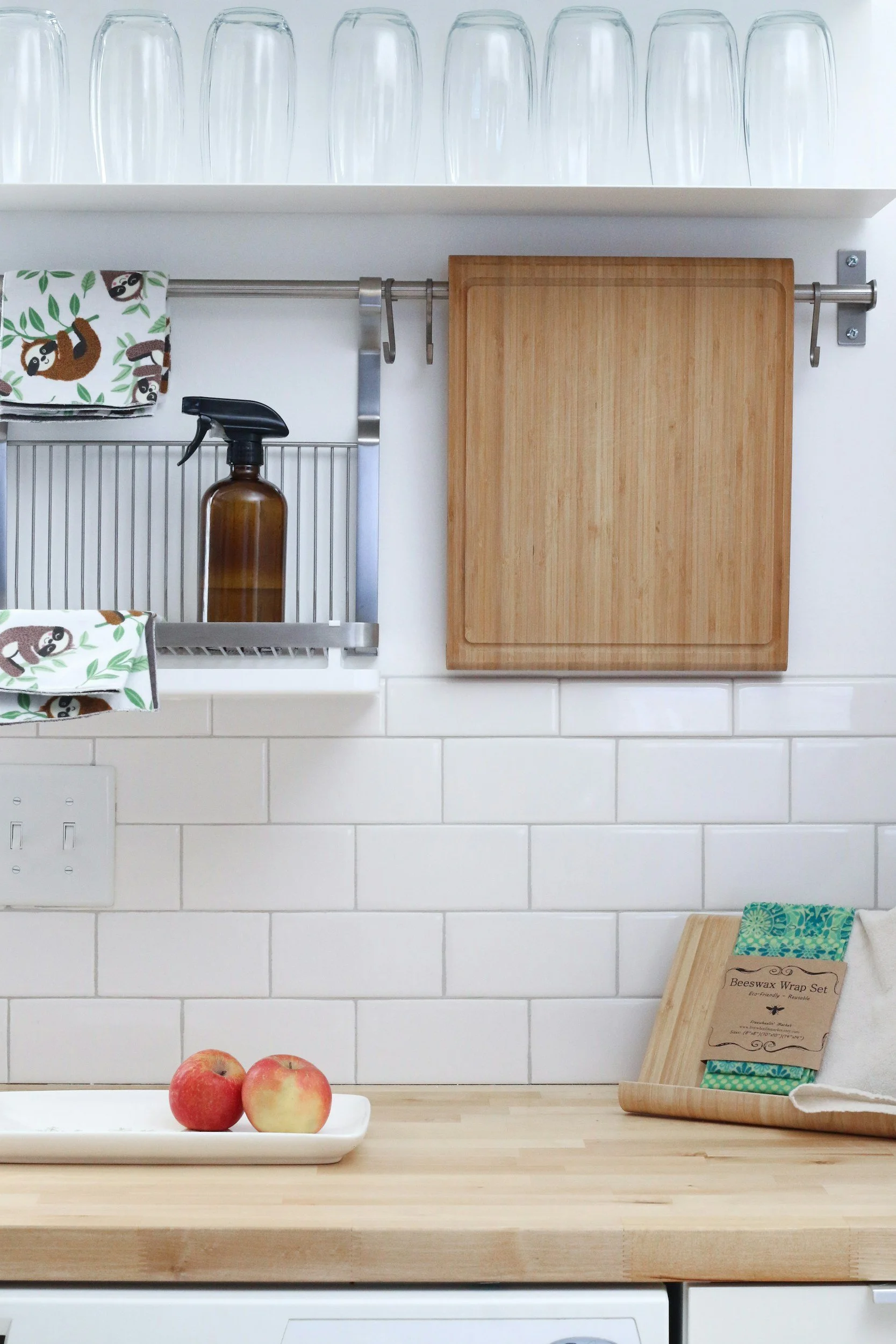
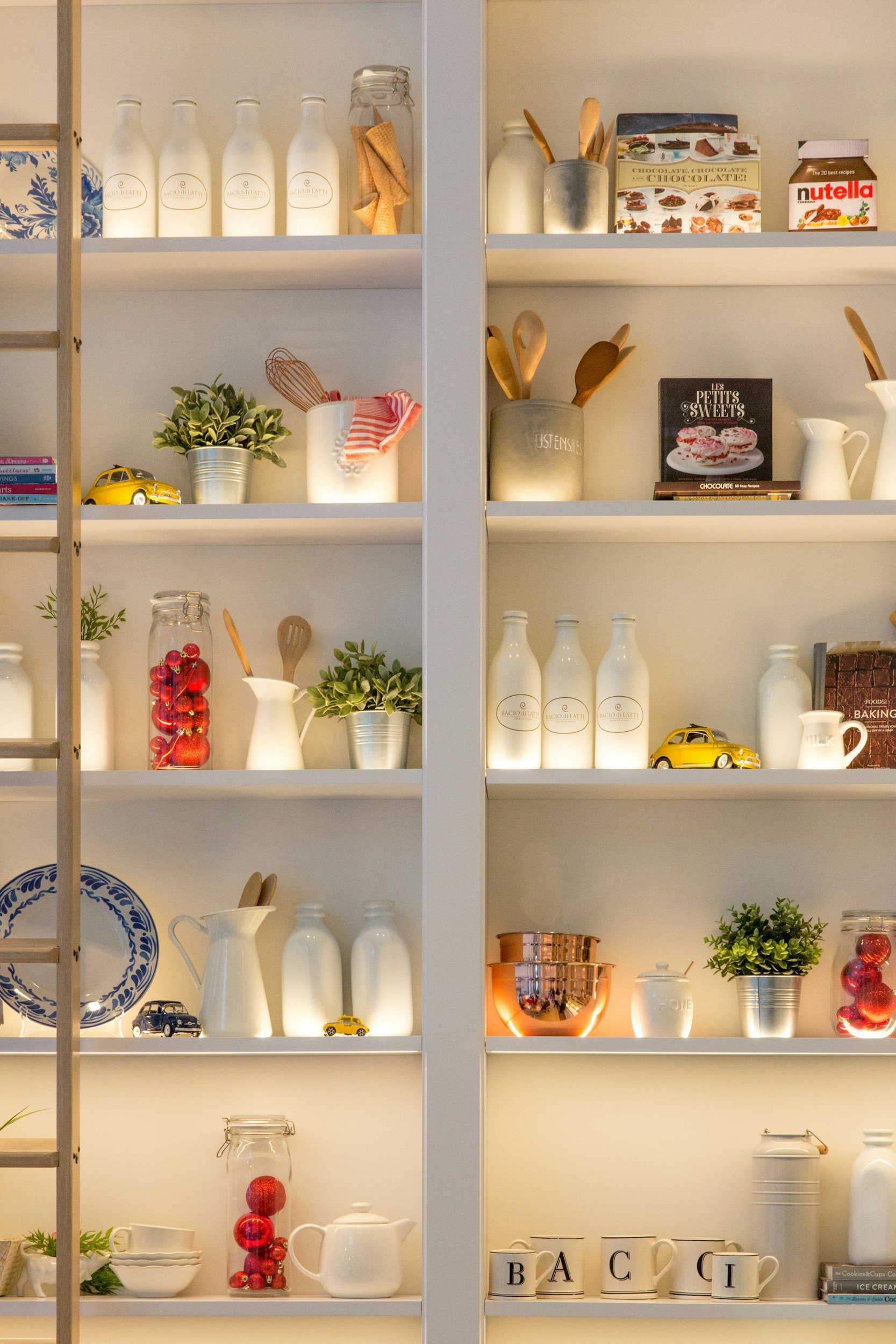
For many women who seek out and attend wellness retreats, they’re generally seeking support because burnout, stress, or weight struggles have made healthy routines feel out of reach. One of the easiest places to start is the kitchen. It can often become an unseen obstacle at home but it doesn’t have to be.
When the kitchen environment challenges daily life, cluttered counters, hard-to-reach basics, poor flow, and constant visual cues for convenience foods, healthy cooking habits get squeezed out by fatigue and time pressure.
Over time, that friction chips away at motivation and makes long-term nutrition support feel like willpower is the only tool left. Kitchen design impact on health is real because it shapes what feels easy, what feels challenging, and what happens on the busiest days. In short, it contributes not only to what you see and how you feel but impacts decision fatigue.
Read More




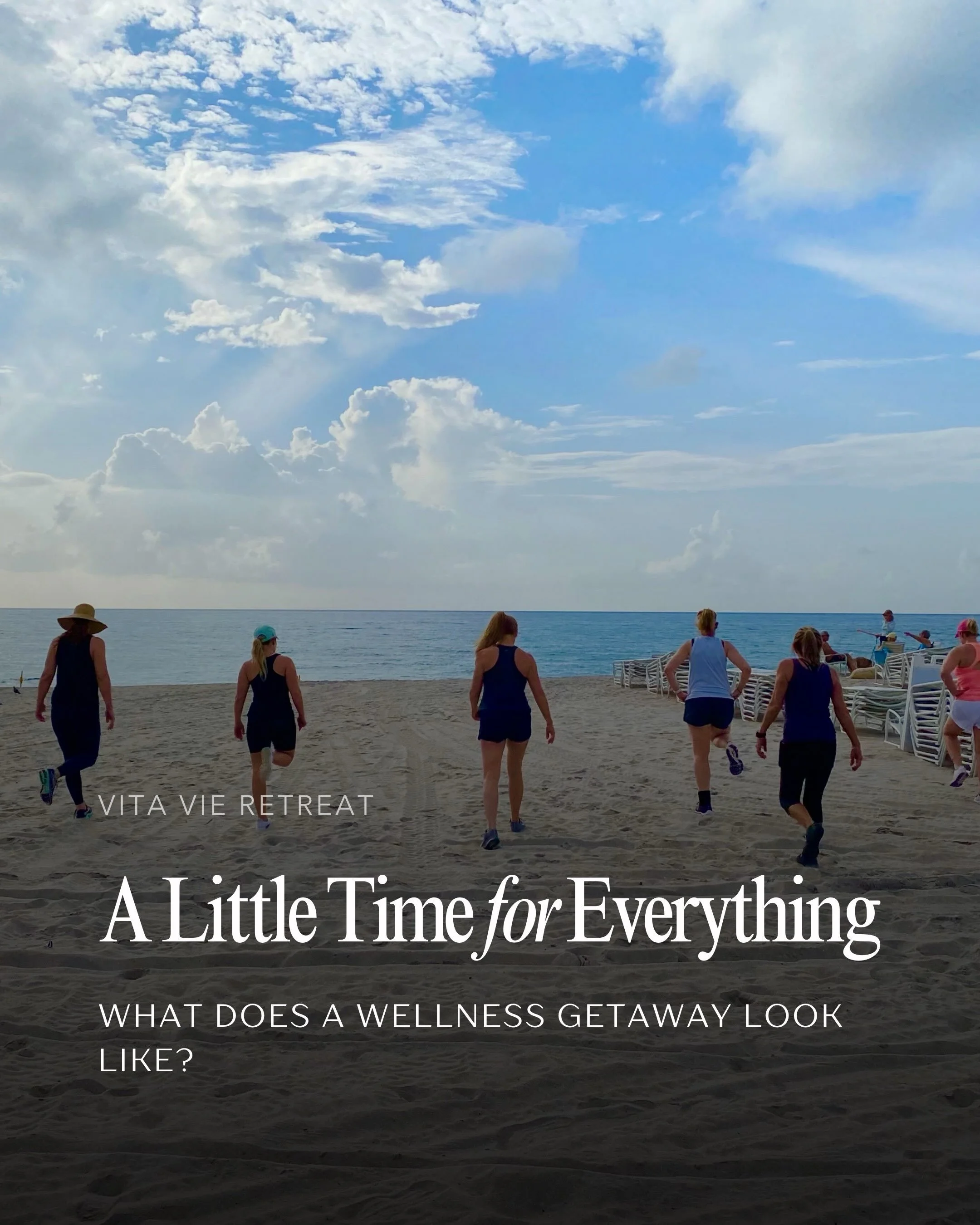
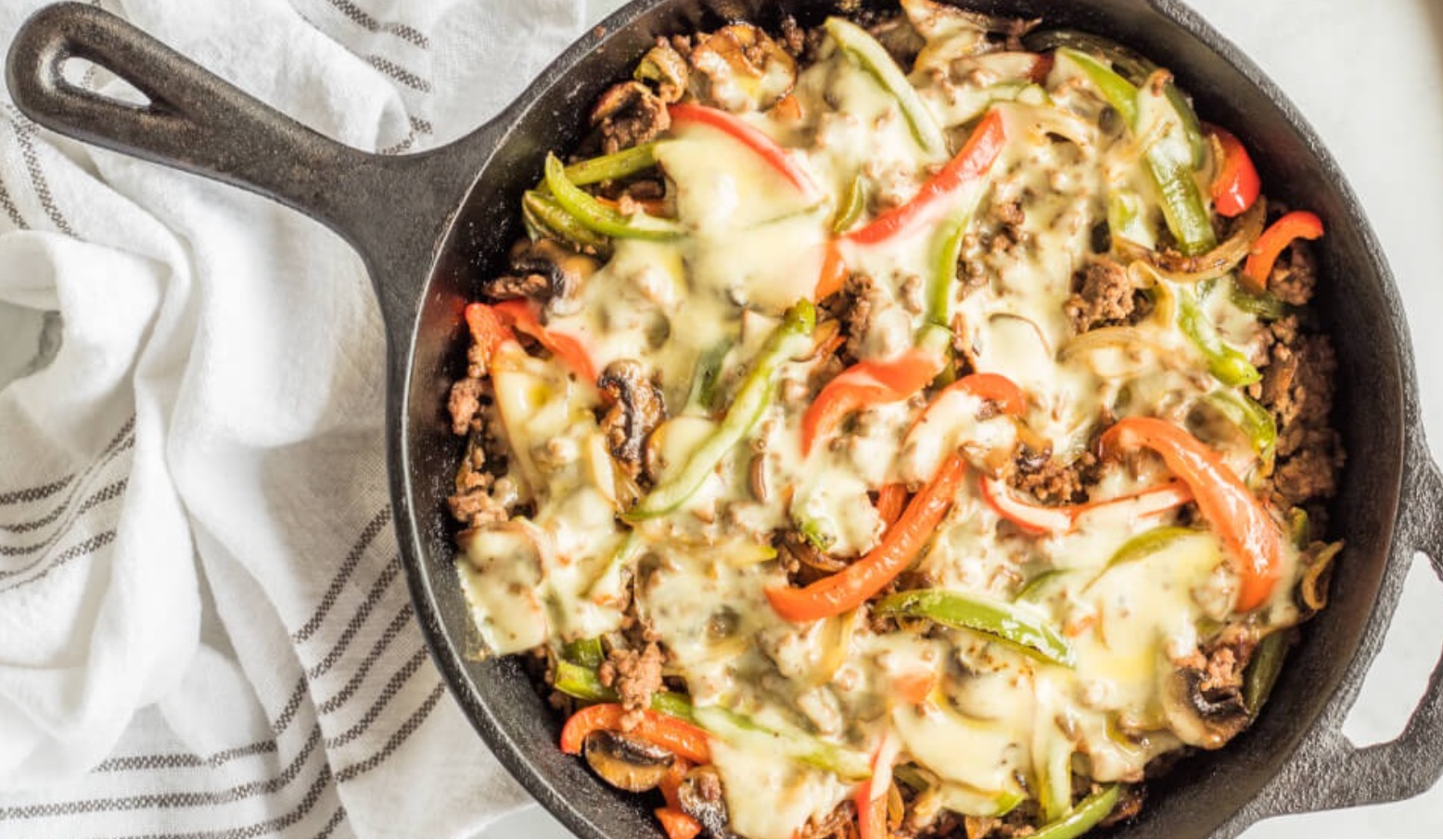

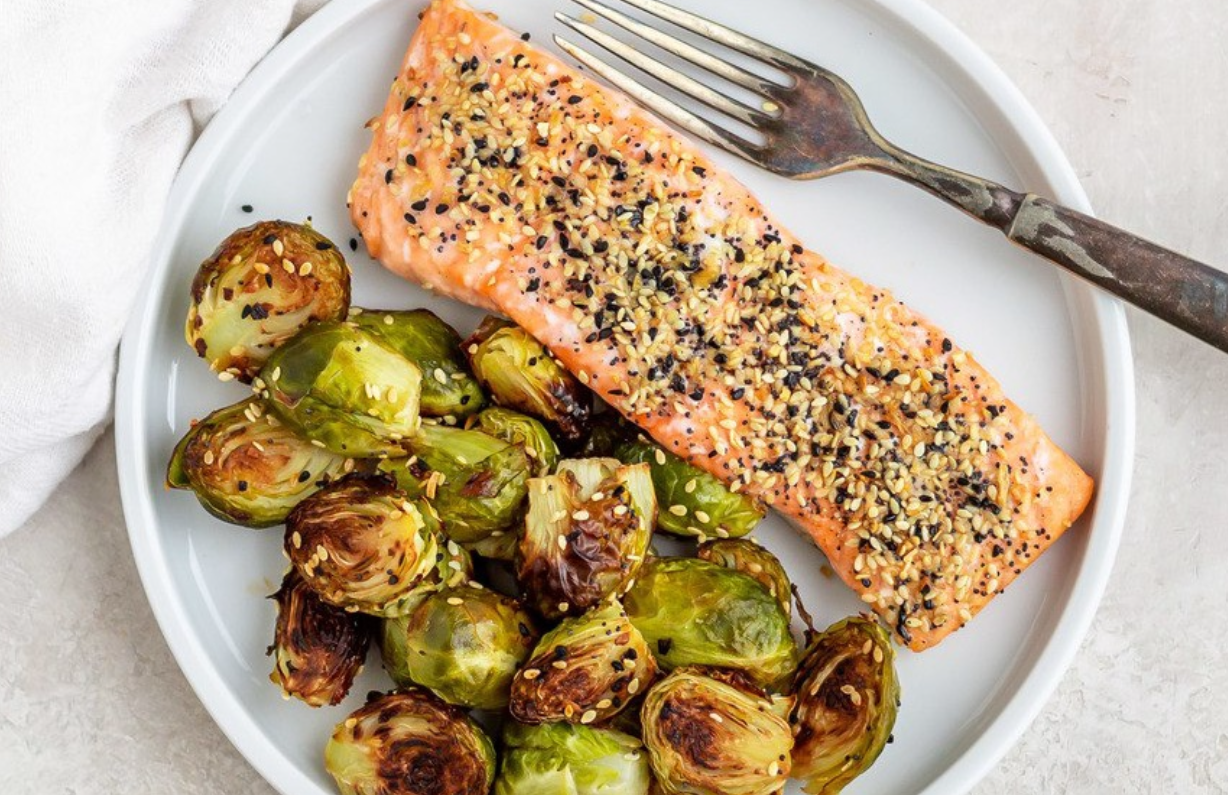
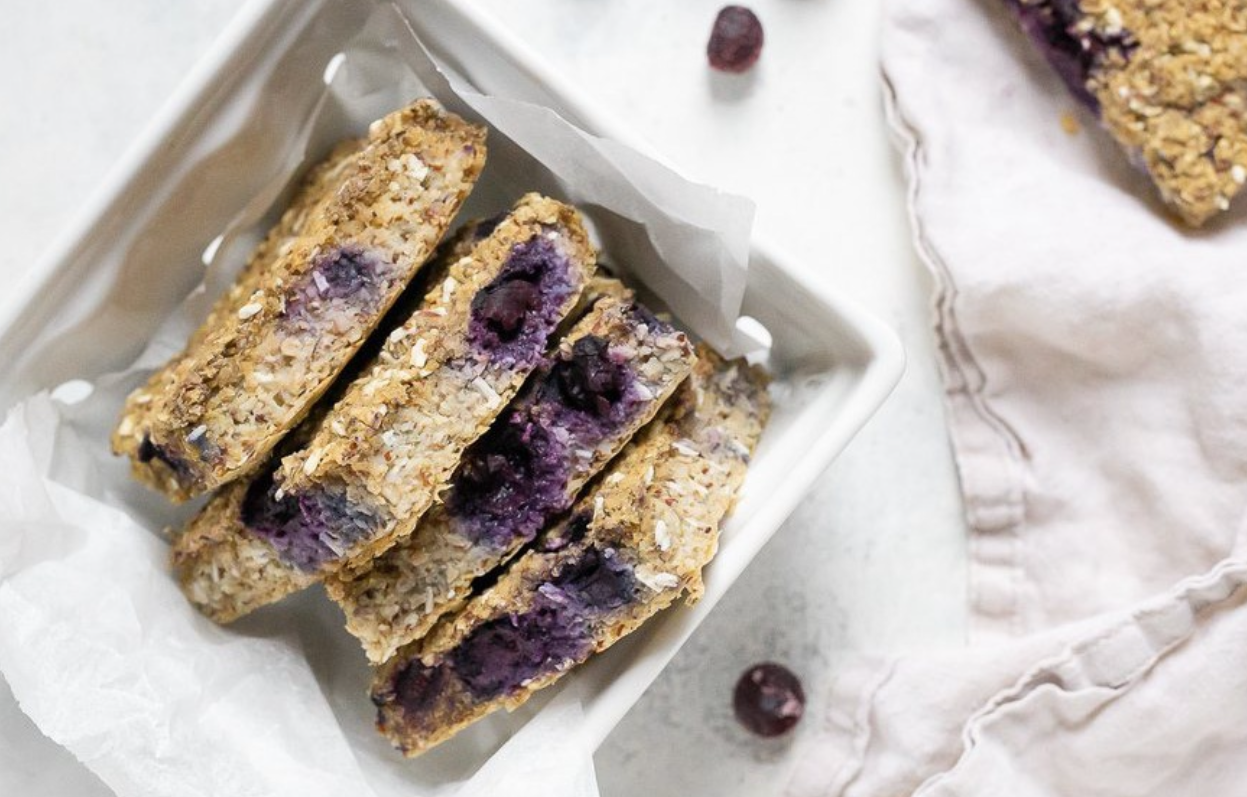

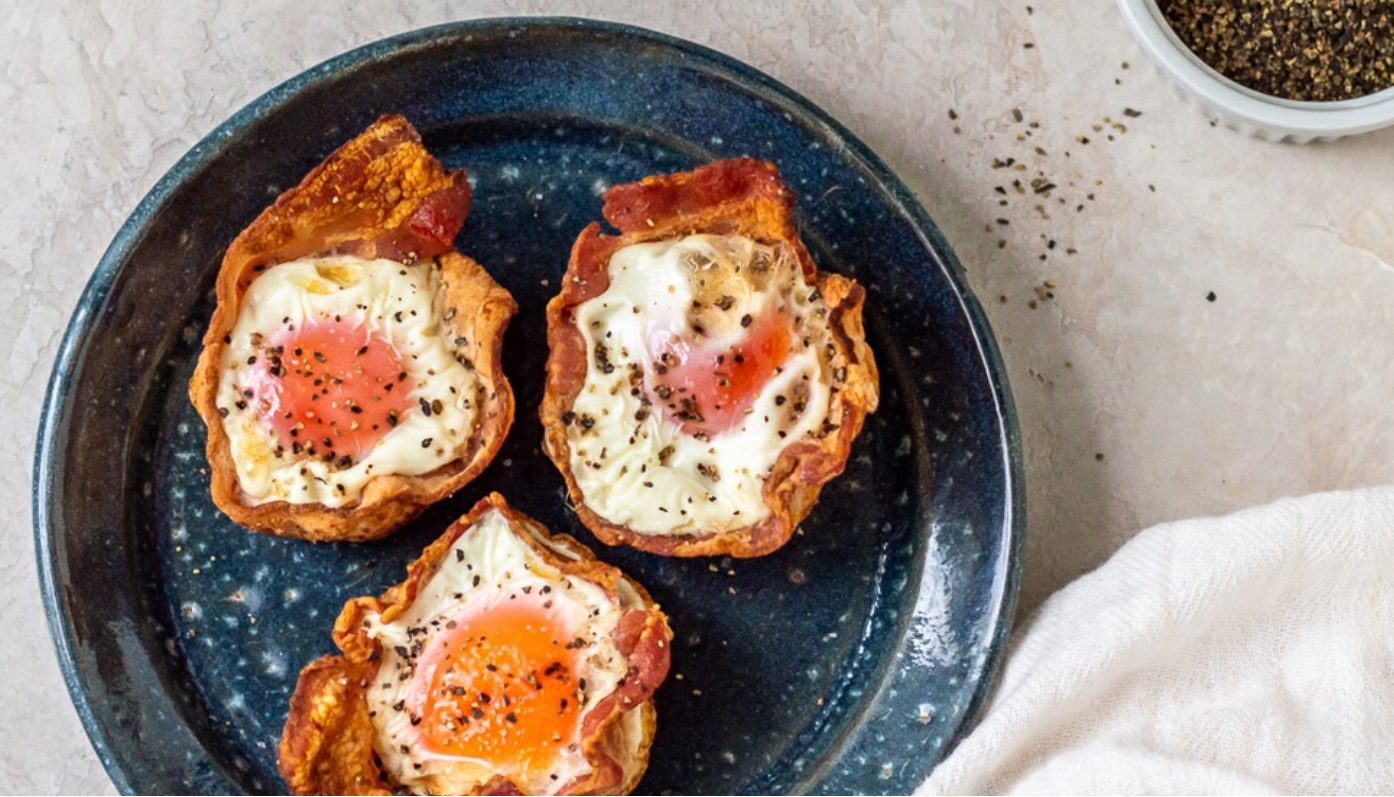


We’re in full fall mode even down here in South Florida. Fall soups and one pot meals are on our minds. So many of our wellness retreat guests are in need of easy tools and recipes to support busy lifestyles. We’re thinking of meal prep and sticking to wellness goals all at the same time. Now that it feels like we’re back into regular routines, we’re breaking out some healthy recipes that hopefully help to make balanced eating a little easier.
This Slow Cooker Sausage & Creamy Sweet Potato Soup is cozy, creamy, and full of fall flavor. Sweet potato, savory Italian sausage, baby spinach, and Parmesan come together in a rich broth for an easy slow cooker soup that's perfect for chilly fall days.
With 20 grams of protein per serving, it's a satisfying option for an easy weeknight dinner or make-ahead lunch. And because most of the cooking happens in the slow cooker, there's very little hands-on prep.