



Design Your Kitchen to Boost Nutrition and Support Lasting Wellness
/
Author: Jennifer McGregor
For many women who seek out and attend wellness retreats, they’re generally seeking support because burnout, stress, or weight struggles have made healthy routines feel out of reach. One of the easiest places to start is the kitchen. It can often become an unseen obstacle at home but it doesn’t have to be.
When the kitchen environment challenges daily life, cluttered counters, hard-to-reach basics, poor flow, and constant visual cues for convenience foods, healthy cooking habits get squeezed out by fatigue and time pressure.
Over time, that friction chips away at motivation and makes long-term nutrition support feel like willpower is the only tool left. Kitchen design impact on health is real because it shapes what feels easy, what feels challenging, and what happens on the busiest days. In short, it contributes not only to what you see and how you feel but impacts decision fatigue.
Let’s dive into a wellness-focused kitchen set up that helps to support your goals!
Understanding Wellness-Focused Kitchen Design
Wellness focused kitchen design means shaping your space so healthy eating happens on autopilot. It blends kitchen layout optimization, appliance selection for health, food storage solutions, and sustainable kitchen materials to support the choices you want to make. When your kitchen fits your routine, nutrition behavior changes without constant decision fatigue.
This matters when you are coming home from a reboot mindset and want your progress to stick. A supportive kitchen reduces daily friction, helps you cook more often, and makes nourishing ingredients the default option. It also supports different eating patterns, especially as fastest growing lifestyle movements reshape what people keep and prep at home.
Picture a tired weeknight: your cutting board lives near the sink, your blender is easy to grab, and prepped produce is visible. You snack less because real food is quicker than ordering in.
Build a Health-Supportive Kitchen With 7 Renovation Moves
A wellness-focused kitchen isn’t about perfection, it’s about making nourishing choices feel automatic. Use these renovation moves to turn your layout, appliances, storage, and materials into quiet “helpers” for healthier everyday routines.
Map your “healthy workflow” before you move walls: Stand where you’ll unload groceries, wash produce, chop, cook, and pack leftovers. Aim for a smooth loop from fridge → sink → prep zone → stove so healthy meals take fewer steps than takeout. If you can, place your main prep counter between the sink and cooktop for an easy rinse-and-chop rhythm.
Create a dedicated prep station with task lighting: Give yourself one clear, clutter-free stretch of counter (even 24–36 inches helps) with bright, shadow-free lighting. This is where salads, smoothie add-ins, and sheet-pan dinners actually happen, because the space is ready. Add a nearby outlet so you’re not dragging cords across the kitchen.
Upgrade to “nutrition-forward” appliance features: Look for a refrigerator with adjustable humidity drawers for produce, a freezer you can organize in bins, and a range hood that vents outside to reduce cooking odors that can linger. A convection oven helps crisp veggies and proteins with less oil, and an induction cooktop can offer fast heat control for quick, weeknight cooking.
Build smart food preservation into the plan: Add one “cool-down zone” near the fridge, space for two shallow containers so hot food can cool briefly before refrigerating. Include a drawer for labels, freezer tape, and a marker to date leftovers, because visibility reduces waste. If you’re into DIY pantry projects, even experimenting with herbal-based preservatives for homemade sauces or pickles can support a more natural approach to keeping foods fresh.
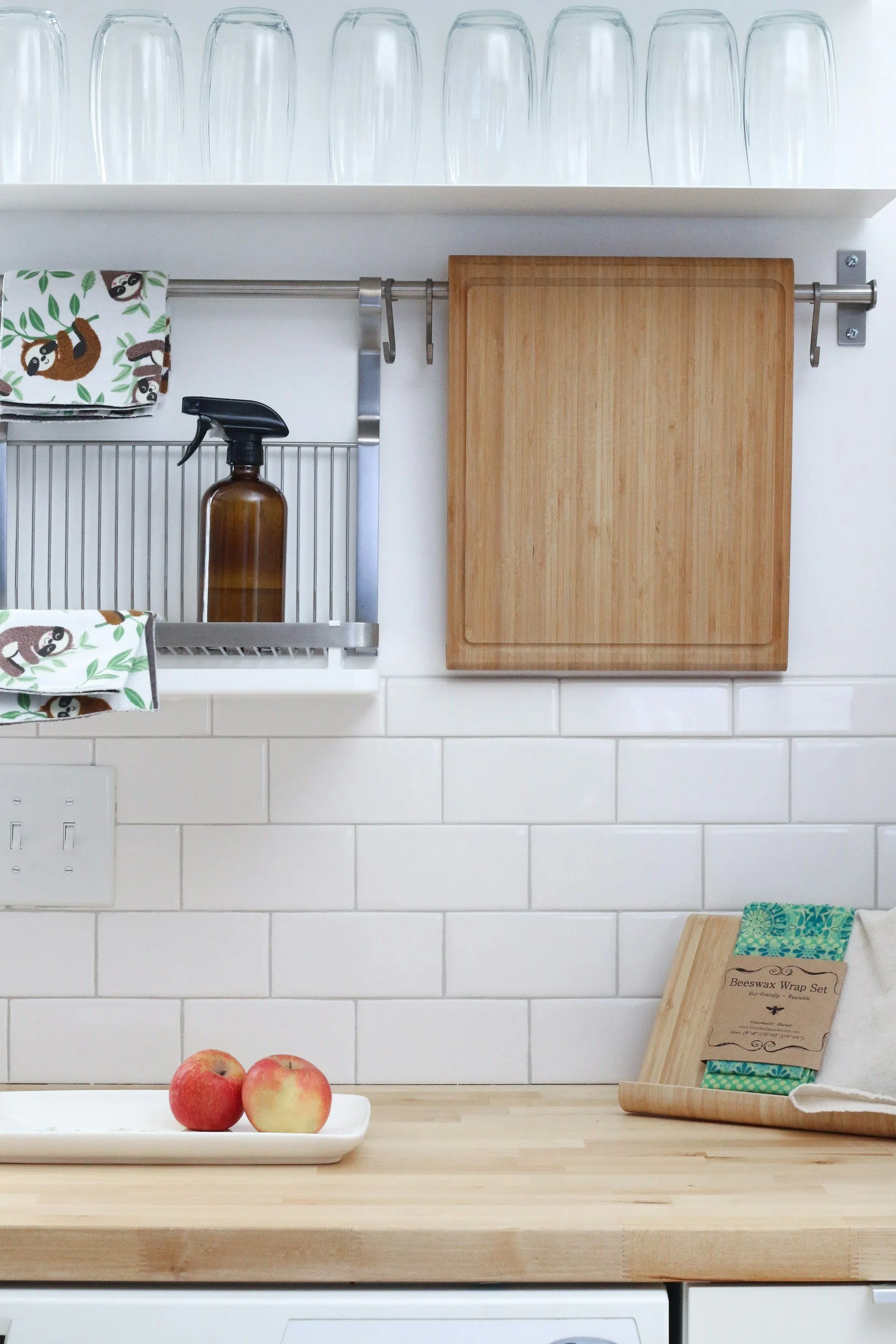
Use ergonomic storage so your best foods are easiest to reach: Put everyday healthy staples (oats, nuts, olive oil, spices) between waist and eye level. Choose deep drawers for pots, pans, and mixing bowls, pull-out access beats crouching into base cabinets. Add a vertical divider cabinet for cutting boards and baking sheets so “sheet-pan dinner night” feels simple.
Design a “snack that supports you” zone: Reserve one drawer or bin at kid-and-adult height for portionable, protein-and-fiber snacks (nuts, roasted chickpeas, shelf-stable tuna packets). Keep sweets higher up or in opaque containers so they’re a choice, not a visual trigger. A little personality helps habits stick, and 71% of respondents preferred bold, colorful kitchens that reflect personal style, think a cheerful fruit bowl, a calming tea shelf, or a “hydration station” you actually enjoy seeing.
Choose non-toxic, low-fuss surfaces where you prep the most: Prioritize non-toxic countertop materials that are durable and easy to sanitize without harsh chemicals. Ask for low-VOC adhesives/finishes, and consider smoother, non-porous options if you meal-prep often (they’re easier to wipe down quickly). If replacing everything isn’t in budget, start by upgrading the main prep run first.
Kitchen Renovation Questions, Answered Simply
Q: What kitchen layout designs best promote healthy cooking habits and reduce stress during meal preparation?
A: Prioritize a simple flow between where food lands, gets washed, gets prepped, and gets cooked, so your default becomes “cook at home” instead of “grab something.” Aim for clear counter space near the sink and cook area, plus bright task lighting to cut decision fatigue. Even small layout tweaks can help because an organized kitchen can cut meal prep time when everything has a predictable home.
Q: Which appliances are most beneficial to include in a kitchen renovation to support nutrition and long-term wellness?
A: Choose upgrades that make whole foods easier: a fridge with strong produce storage, a reliable freezer setup for batch cooking, and ventilation that clears smoke and lingering odors. If your budget is tight, focus on one “behavior changer” appliance that supports your most common healthy meal.
Q: How can smart storage solutions in the kitchen encourage better food preservation and minimize waste?
A: Use clear containers, labels, and dated leftovers so good food stays visible and gets eaten. Add pull-outs or drawers for staples so you do not lose ingredients behind clutter, and give meal-prep tools one dedicated zone.
Q: What materials and finishes in the kitchen contribute to a healthier cooking environment and easier maintenance?
A: Look for low-VOC finishes, easy-clean surfaces, and non-porous options in your main prep areas to reduce harsh-chemical scrubbing. Build your budget with real-world line items because labor costs permits electrical can surprise you if they are not scoped early.
Q: How can a wellness retreat help me design and implement a kitchen renovation that supports my fitness and nutrition goals?
A: A retreat can clarify your routines first, so your renovation supports real life instead of a perfect-photo kitchen. You can translate your nutrition plan into a layout, shopping, and storage system, then leave with a realistic timeline and budget. If plumbing changes are included, list the fittings you will need, then use an optional plumbing supply catalog to begin sourcing.
Healthy Kitchen Renovation Quick-Start Checklist
This checklist turns wellness intentions into a kitchen you can actually use on busy days, especially when you want retreat-level nourishment at home. Pick one item to complete today, then track the rest as quick wins that build momentum.
Confirm sink-to-prep-to-stove flow for fewer steps and less friction.
Clear one landing zone for groceries and meal-prep mise en place.
Set bright task lighting at sink, prep area, and cooktop.
Choose one behavior-changer appliance that supports your go-to healthy meal.
Label and date leftovers using clear containers to keep food visible.
Zone drawers and pull-outs for staples and daily tools.
Select low-VOC, non-porous surfaces for easy cleanup with fewer chemicals.
Add anti-slip coatings in high-traffic areas for safer movement.
Small upgrades, done consistently, create the kind of wellness that lasts.
Turn Your Kitchen Into a Daily Support for Better Nutrition
It’s hard to keep nutrition and health motivation steady when the kitchen makes the healthy choice feel like the hard choice. Intentional kitchen design benefits come from treating your space as a gentle system, one that supports sustainable wellness practices instead of relying on willpower. When your layout, storage, and materials align with your goals, healthier meals become more automatic, and long-term healthy behaviors feel easier to repeat on ordinary days.
Design your kitchen so healthy choices feel like the default. Choose one item from the checklist, one small purchase, swap, or decision, and let it spark your kitchen renovation inspiration. That steady, supportive environment matters because it builds resilience you can carry home from any retreat and live with for years.
Additional Kitchen & Grocery Lists to Explore
Keep going - read more:
📌 Related Posts
✓ Done-for-You Guides & Tools
Oura Ring → Track sleep, activity, stress, metabolic health, heart health & more