



5 Essential Nutrition Tips for GLP-1 Users
/
Over the last few months, one topic that’s come up again and again with clients and our wellness retreat guests is how to nourish your body effectively while taking a GLP-1 medication. And it makes sense — these medications can be incredibly helpful tools, but they also change the way your body responds to hunger, fullness, and digestion.
The good news? With a few simple, strategic nutrition habits, you can feel more energized, support balanced blood sugar, and help your body thrive while using a GLP-1. This isn’t about perfection or restriction — it’s about learning what your body needs now and giving yourself the grace to meet those needs in a sustainable, supportive way.
Whether you're looking to continue your weight-loss progress, prevent muscle loss, or simply feel your best day to day, these five essential nutrition tips will help you stay nourished, grounded, and confident throughout your GLP-1 journey.
Before we dive into nutrition-specific tips, it’s important to start with a few foundational pieces that apply to everyone using a GLP-1 medication.
First, set yourself up for success by understanding your medication. Know the benefits, possible side effects, what’s normal, and what isn’t. Stay in communication with your healthcare provider and don’t hesitate to reach out with questions. Most importantly, take note of how you feel—your energy, appetite, digestion, and overall well-being. Awareness is one of your most powerful tools.
Next, get clear on your goals. Are you focused on weight loss, blood sugar balance, improving your relationship with food, or supporting long-term health? Having a clear intention helps guide your daily choices and keeps you grounded when progress feels slow or uneven.
Finally, tune into your body. GLP-1 medications change hunger, fullness, and digestion, and learning to listen to those shifts is key. Pay attention to your body’s cues—when you’re hungry, when you’re full, what foods feel good, and what doesn’t. This is a partnership between you and your body, not a battle.
With that foundation in place, nutrition becomes less about rules and more about support—and that’s where the following tips come in.
→ Ready to take your wellness journey further? Explore our Wellness Pathways and discover the support that fits your goals—from guided learning and ongoing support to personalized coaching.
In this post, you’ll find:
5 Essential nutrition tips
1 Bonus tip
Next steps for success
1. Prioritize Protein
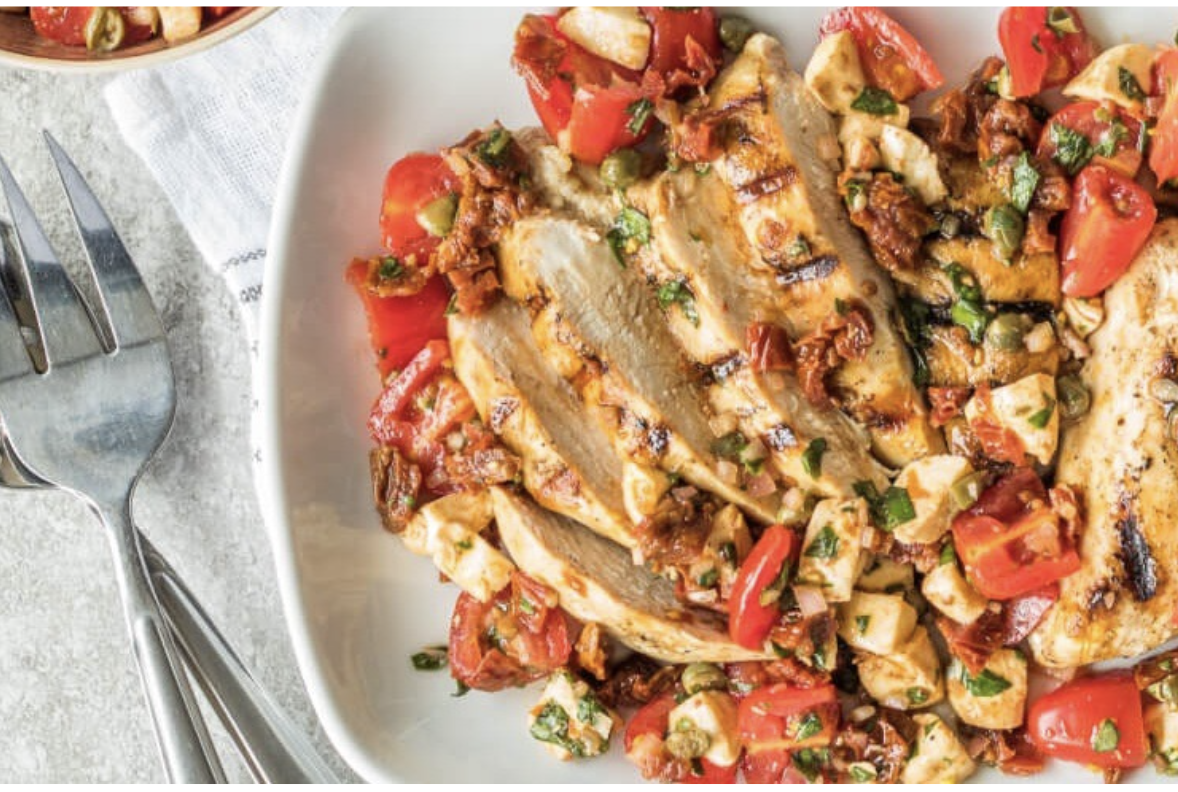
Protein plays a critical role in maintaining muscle mass, supporting satiety, and stabilizing blood sugar levels—all essential for GLP-1 users. Aim to include lean protein sources with every meal. Options like chicken, turkey, fish, tofu, eggs, and Greek yogurt are excellent choices. If you follow a plant-based diet, lentils, chickpeas, and edamame can help you meet your protein needs.
For example:
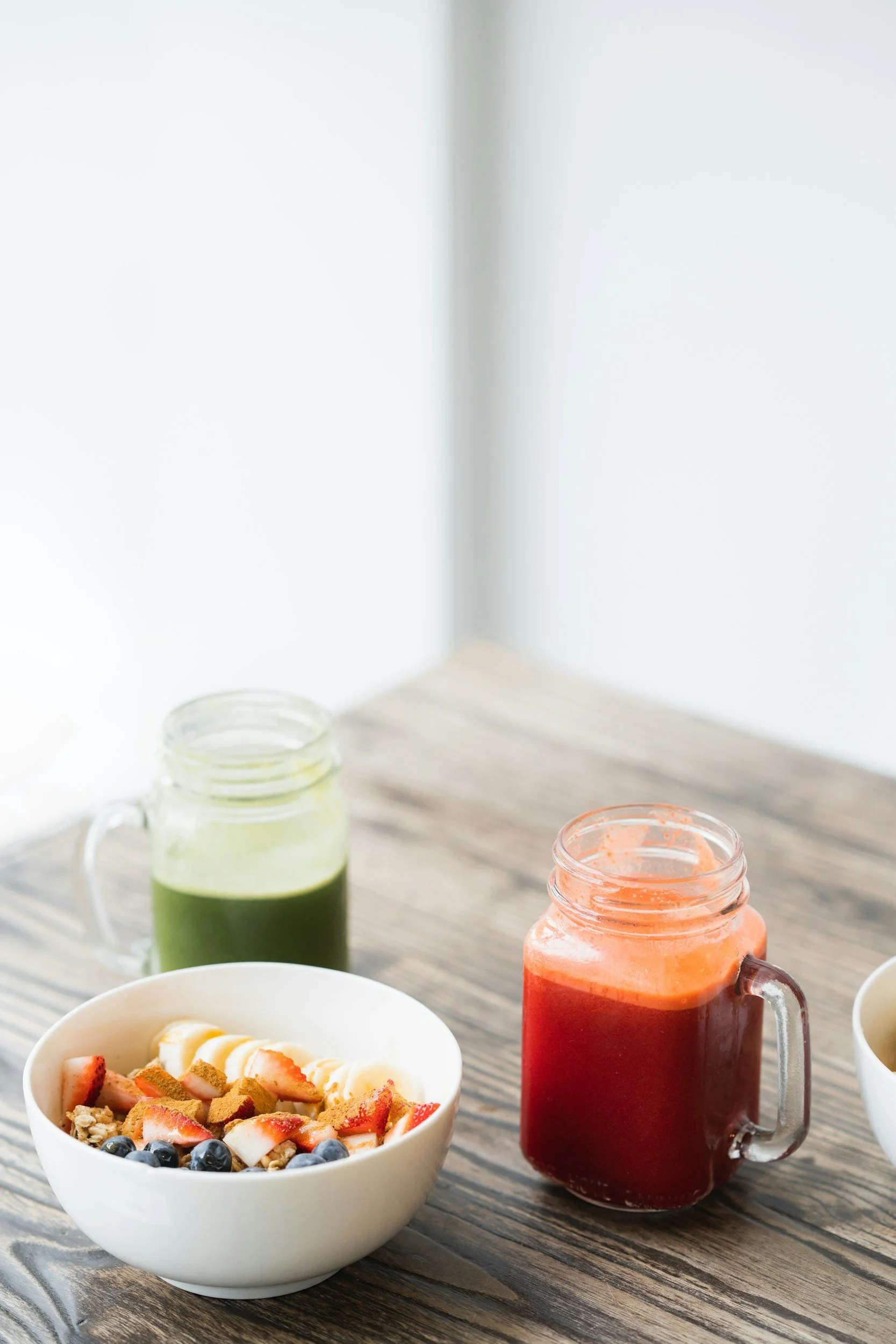
Start your day with a Greek yogurt bowl topped with fresh berries and a sprinkle of chia seeds.
Opt for a grilled chicken salad with avocado for lunch.
Pair baked salmon with steamed broccoli and quinoa for dinner.
Having adequate protein ensures you feel fuller for longer and provides the nutrients your body needs to thrive.
2. Incorporate High-Fiber Foods
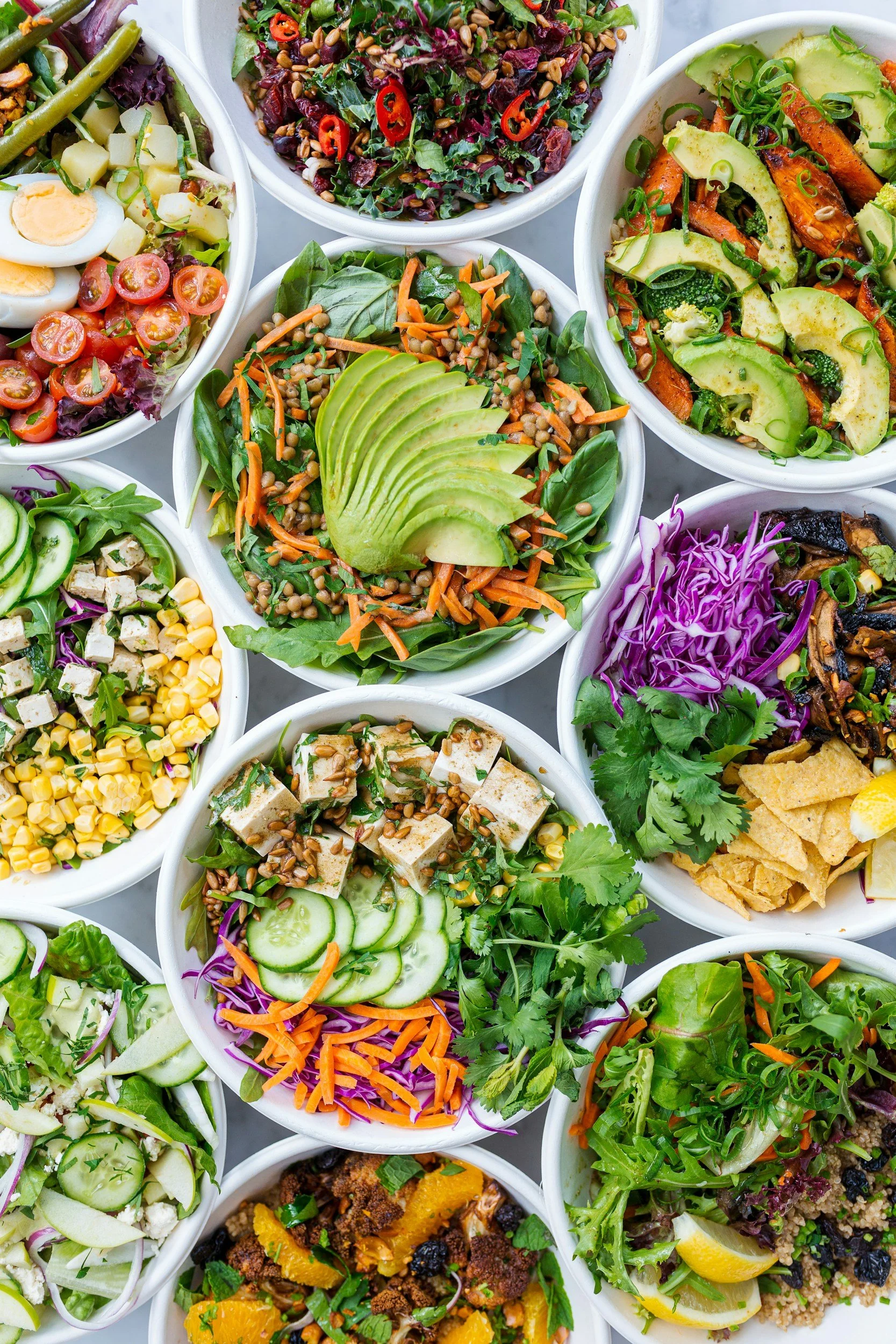
Fiber is a cornerstone of digestive health and helps prolong satiety, which is particularly beneficial for those managing hunger changes on GLP-1 medications. Fiber-rich foods include vegetables, fruits, whole grains, and legumes. They not only keep your digestive system running smoothly but also slow down glucose absorption, helping to stabilize blood sugar.
Examples of high-fiber foods to include:
Vegetables: Broccoli, spinach, carrots, and bell peppers
Fruits: Berries, apples, and oranges
Grains: Quinoa, oats, and brown rice
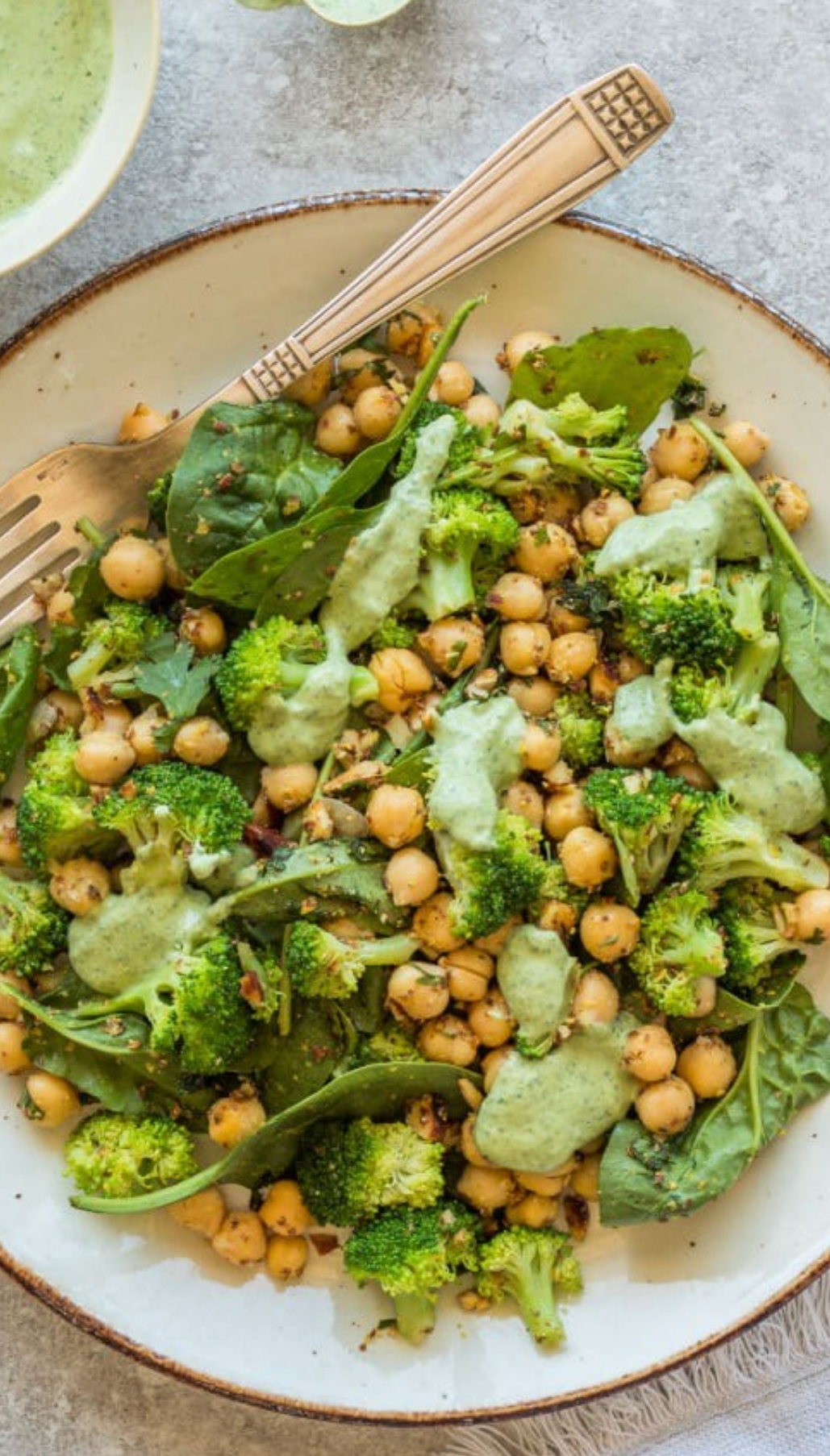
Legumes: Black beans, lentils, and chickpeas
Add a handful of spinach to your morning smoothie or serve roasted vegetables as a side with dinner to increase your fiber intake without much effort.
3. Embrace Healthy Fats in Moderation
Fat often gets a bad rap, but healthy fats are vital for nutrient absorption, hormone production, and overall health. They can also add richness and flavor to meals, making healthy eating more satisfying. Include sources like avocado, nuts, seeds, and olive oil in your diet, but watch portion sizes to avoid overconsumption.
Simple ways to add healthy fats:
Drizzle olive oil over roasted vegetables or salads.
Add a quarter of an avocado to a sandwich or wrap.
Snack on a small handful of almonds or walnuts.
Balancing healthy fats with protein and fiber can help you stay full and satisfied without overindulging.
4. Focus on Smaller, Balanced Meals
GLP-1 medications often decrease appetite, making smaller, nutrient-dense meals more practical and comfortable. Eating smaller portions more frequently can also help prevent blood sugar spikes and crashes, keeping your energy stable throughout the day.
Experimenting with the right number of calories and macros can help. As an example, you can play around with 200-300 calorie meals and how they work for your hunger levels as well as overall energy.
Try dividing your meals into smaller portions:
Breakfast: A protein shake with almond milk, a banana, and a scoop of protein powder
Mid-morning snack: A boiled egg and a handful of baby carrots
Lunch: A quinoa salad with grilled chicken, avocado, and a lemon vinaigrette
Afternoon snack: A handful of nuts and a piece of fruit
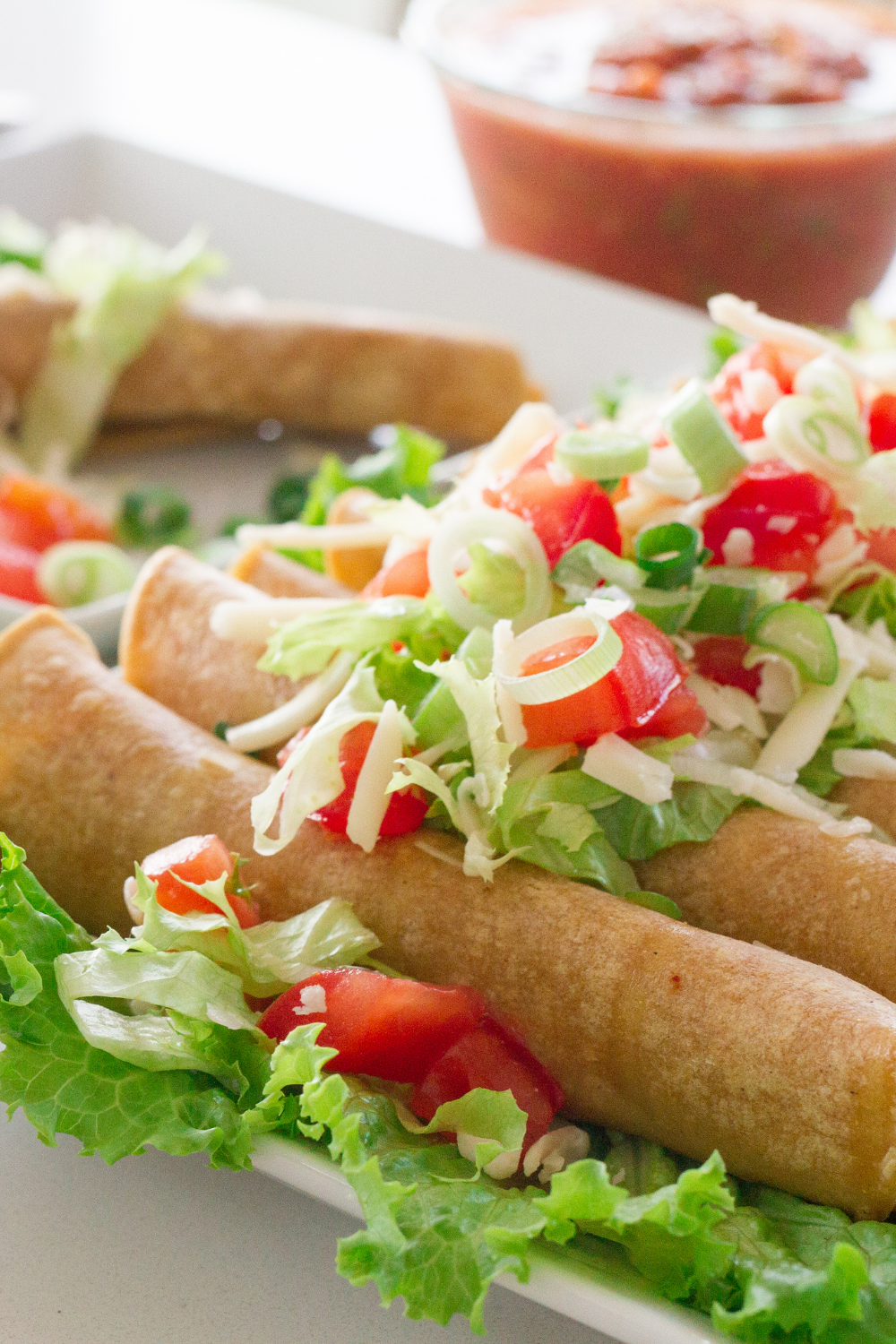
Dinner: Grilled shrimp tacos with a side of mixed greens
This approach allows you to enjoy a variety of foods while avoiding the discomfort of overeating.
5. Choose Low-Glycemic Carbohydrates
Low-glycemic carbs—those that digest slowly—help stabilize blood sugar levels and provide steady energy. Sweet potatoes, brown rice, whole-grain bread, and oats are excellent examples. Pair these carbohydrates with protein and healthy fats to create balanced meals that keep you full and satisfied.
For instance:
Swap white rice for brown rice in stir-fry dishes.
Use whole-grain bread for sandwiches.
Choose sweet potatoes as a nutrient-packed alternative to regular potatoes.
Focusing on low-glycemic carbs can also help you avoid the energy crashes that come with rapid blood sugar spikes.
6. BONUS: Don’t Rely Solely On The Medication
If there’s ONE THING YOU PICK UP FROM THIS POST, please let it be this! You need to set yourself up for success long-term. GLP-1 medications can be a powerful tool for weight loss—but they’re just that: a tool, not a complete solution. Relying solely on the drug without building sustainable nutrition and lifestyle habits puts your long-term success at risk.
What happens if your prescription changes… if your insurance no longer covers it… or if you decide to stop taking it? The habits you’ve built in the meantime will determine whether you maintain your progress or backslide.
Think of this as your training ground. Use this time to:
Learn how to fuel your body with nutrient-dense, anti-inflammatory foods.
Create a meal rhythm that works for your life.
Practice mindful eating, hydration, movement, and sleep routines.
Bottom Line: Develop the nutrition, fitness, and lifestyle habits necessary to support your sustained success whether you’re on the medication or not.
When you treat your lifestyle as the foundation—and the medication as a support—you empower yourself with the tools and confidence to thrive with or without it.
Next Steps for Your GLP-1 Journey
These five tips form the foundation of a balanced, sustainable approach to nutrition while using GLP-1 medications. By prioritizing protein, fiber, healthy fats, smaller meals, and low-glycemic carbs, you’ll be well on your way to achieving your health and wellness goals.
Take charge of your health today—because you deserve to feel your best, every step of the way.
Start small and build gradually
You don’t need to change everything at once. Focus on one nourishing habit at a time—like prioritizing protein at meals or eating a little slower. Small steps add up and are easier for your body (and brain) to adapt to.Let your lifestyle lead the way
Choose foods and routines that actually fit your life. The “best” nutrition plan is the one you can sustain—at home, at work, and when life gets busy.Listen to your body’s cues
GLP-1 medications often change hunger, fullness, and food preferences. Pay attention to what feels good, what satisfies you, and what leaves you feeling energized—not overly full or uncomfortable.Experiment without judgment
Think of this as data, not success or failure. Try different foods, meal timing, and portion sizes to see what supports your digestion, energy, and satiety. Keep what works, release what doesn’t.
This journey isn’t about perfection—it’s about learning, adapting, and creating a way of eating that truly supports your body.
Next Steps & Resources
Want to dive deeper? Here are a few resources to keep the momentum going:
📌 Related Posts
Ways To Learn & Grow
Body Insights Method - Learn how to work with your body and lifestyle to create sustainable wellness from the inside out.
Mind-Body Lab - A guided wellness membership where you'll learn, practice, and grow with monthly education, challenges, and practical wellness tools.
Personalized Wellness Coaching - One-on-one coaching and a personalized plan designed around your body, goals, and lifestyle.
SAY HELLO TO CUSTOMIZED WELLNESS & WEIGHT LOSS WITH THE BODY INSIGHT METHOD
Real, lasting health isn't about following more rules or restrictions—it's about creating balanced wellness that's unique for your body & your lifestyle.
Whether you want to boost energy, improve overall health or lose weight — you’ll learn to notice your body's unique signals, understand what they're telling you, and create a personalized approach to wellness that fits your life.
Includes:
5 Learning Modules, 12 Week Guided Action Plan, Recipes, Meal Plans, Resources & Tracking Tools
3I Framework for Mindset & Goal Setting
Biofeedback & The 4P’s: Customize for Your Body & Your Lifestyle
The Health First Approach to Metabolism
Mindful & Intuitive Eating
The AIM Method: Awareness, Adaptation & Integration
12 Week Guided Action Plan: Build Your Wellness Roadmap
Recipes & Meal Plans: 650+ Recipes & Meal Plans
Tools & Resources - Habit trackers, reflection exercises, and implementation guides.
Learn More Now: The Body Insight Method