



10 Plant-Based Eating Tips for Beginners: A Simple Guide to Get Started
/
We often talk about eating styles with clients during our wellness retreats, and one theme comes up again and again: finding the “best” way of eating for your health goals.
The truth is, there is no single right way of eating that works for everyone. Each person has unique needs based on their physiology, lifestyle, preferences, and overall health picture.
That said, if you’re curious about incorporating more plant-based meals into your routine, there are simple, practical ways to explore it without overhauling everything at once.
A plant-based approach can be a nourishing way to focus on whole, minimally processed foods that support energy, digestion, and overall wellness. And while it can feel overwhelming at first, it does not have to be complicated or restrictive.
This guide is designed to give you realistic, approachable strategies to help you ease into more plant-based eating in a way that feels sustainable, flexible, and supportive of your individual needs.
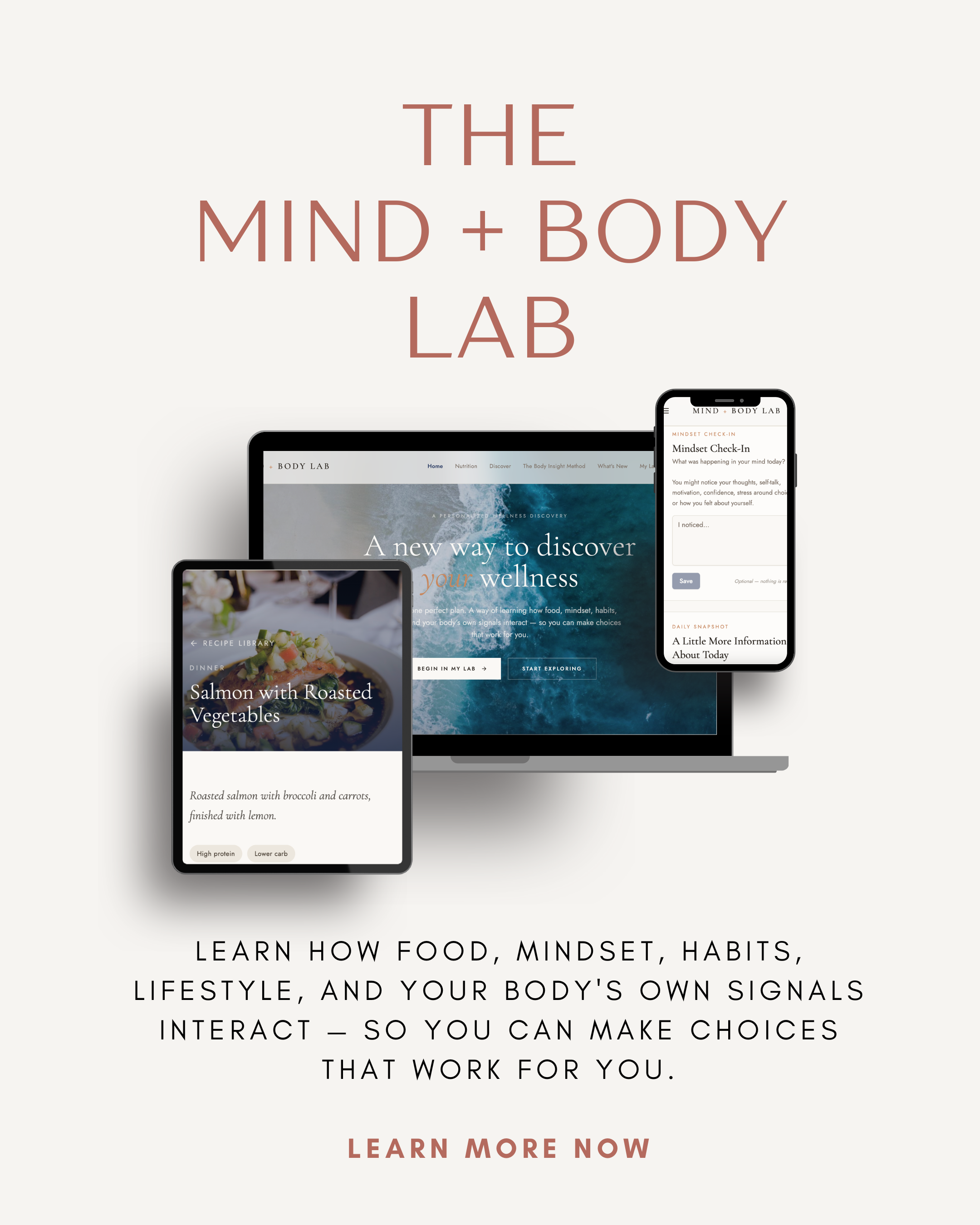
→ If you want a system that walks you through how to build a wellness plan unique for you, we’ve also created The Mind + Body Lab, but let’s dive into the info in this post first.
1. Begin with Familiar Foods
You do not need to completely reinvent the way you eat overnight. One of the easiest ways to start eating more plant-based meals is by modifying foods you already enjoy.
Instead of focusing on restriction, focus on simple swaps and additions.
Practical Ways to Start
Add black beans or lentils to tacos
Make pasta with marinara, vegetables, and chickpeas
Add tofu or edamame to stir fries
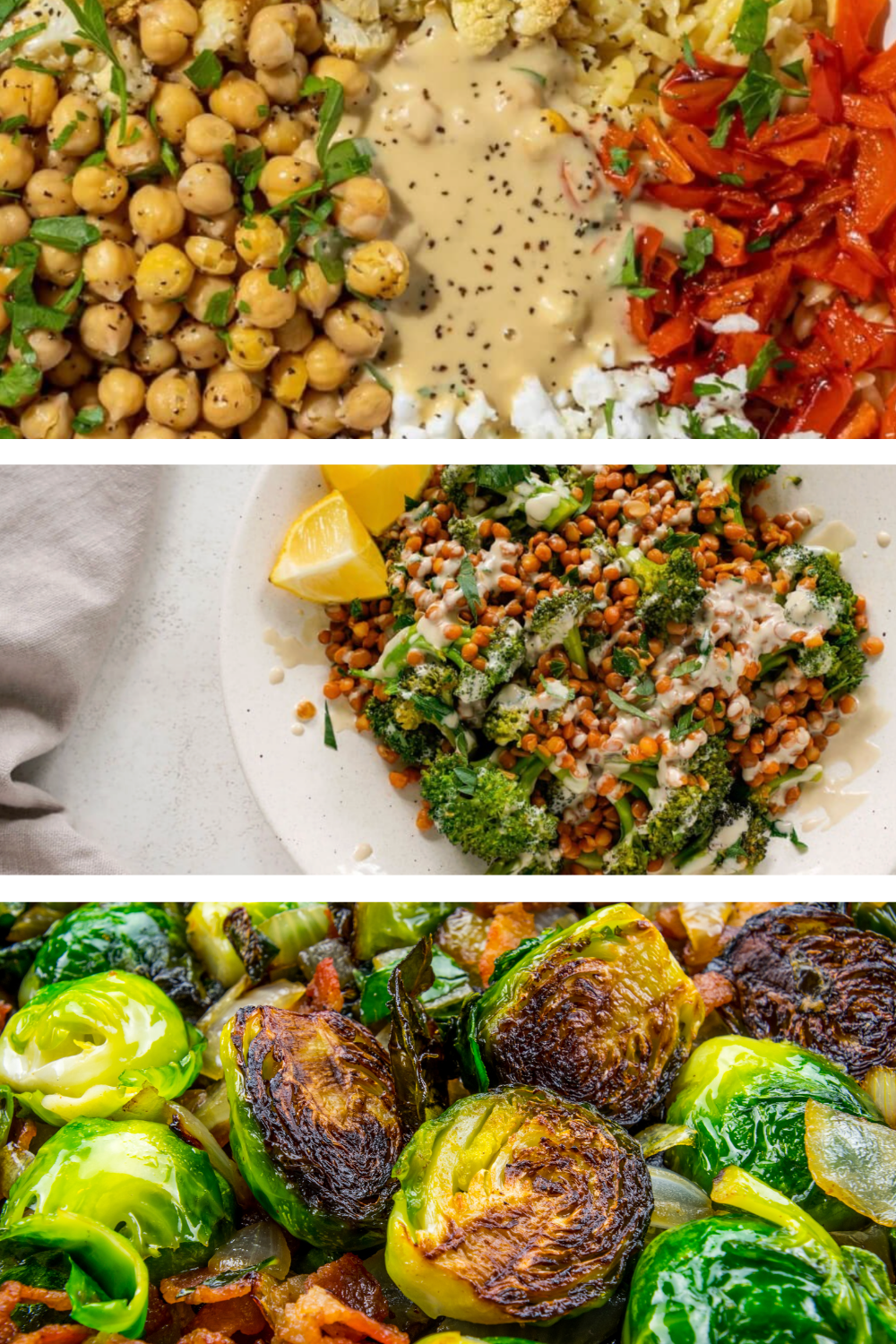
Build grain bowls with quinoa, roasted vegetables, and hummus
Swap one or two meals per week for plant-based versions
Starting with familiar meals often makes the transition feel more realistic and sustainable.
2. Focus on Whole Foods Most of the Time
Plant-based eating does not automatically mean healthy. Many packaged vegan foods are still highly processed and low in nutrients.
Building meals around whole foods can help provide more fiber, vitamins, minerals, and lasting energy.
Practical Whole Food Staples
vegetables
fruit
oats
quinoa
brown rice
lentils
beans
nuts
seeds
potatoes
sweet potatoes
Convenience foods can absolutely fit into a balanced lifestyle, but prioritizing whole foods most of the time can help meals feel more nourishing and satisfying.
3. Build Balanced Plant-Based Meals
One mistake people often make when transitioning to plant-based eating is building meals that are too low in protein, healthy fats, or overall staying power.
Balanced meals can help support fullness, energy, and balanced blood sugar.
Simple Plant-Based Meal Formula
Try building meals with:
a protein source
fiber-rich carbohydrates
healthy fats
vegetables or fruit
Example
Quinoa bowl with:
roasted vegetables
chickpeas
avocado
olive oil dressing
pumpkin seeds
Balanced meals often feel much more satisfying than meals built around carbohydrates alone.
4. Learn Easy Plant-Based Protein Sources
Protein does not need to come from animal products alone.
There are many simple plant-based proteins that can easily be incorporated into meals and snacks throughout the day.
Easy Plant-Based Proteins
lentils
black beans
chickpeas
tofu
tempeh
edamame
hemp seeds
chia seeds
quinoa
nuts and nut butters
Easy Ways to Add Protein
Add hemp seeds to smoothies
Add beans to soups and tacos
Add tofu to stir fries
Add edamame to salads and grain bowls
Add nut butter to oatmeal
The goal is not perfection — it is simply learning how to build meals that feel balanced and satisfying.
5. Experiment with New Recipes and Flavors
Trying new recipes can help plant-based eating feel exciting instead of restrictive.
Experimenting with herbs, spices, sauces, and seasonal produce can completely transform simple ingredients.
Practical Ideas
Try one new plant-based recipe each week
Experiment with Mediterranean-inspired meals
Try curry dishes, grain bowls, soups, or stir fries
Use fresh herbs like basil, cilantro, mint, or dill
Explore different cooking methods like roasting or grilling vegetables
Sometimes discovering new favorite meals makes the transition feel much easier.
6. Prep a Few Basics Ahead of Time
Meal prep does not need to mean spending hours cooking.
Even preparing a few simple staples ahead of time can make plant-based eating much more convenient during busy weeks.
Easy Meal Prep Ideas
Wash and chop vegetables
Cook a batch of quinoa or rice
Roast sheet pan vegetables
Make overnight oats or chia pudding
Prep smoothie ingredients in freezer bags
Batch cook lentils or beans
Having a few basics ready can help make balanced meals easier to throw together quickly.
7. Pay Attention to Key Nutrients
Plant-based eating can absolutely be healthy and balanced, but it is important to be mindful of certain nutrients.
Nutrients to Focus On
Vitamin B12
Iron
Calcium
Omega-3 fatty acids
Protein
Helpful Food Sources
leafy greens
fortified plant milks
tofu
beans
lentils
chia seeds
flax seeds
walnuts
Some people may also benefit from supplements depending on their personal nutrition needs and dietary intake.
8. Shop with a Plant-Based Foundation in Mind
One of the easiest ways to eat more plant-based meals is to simply keep plant-based ingredients visible and accessible at home.
Practical Grocery Tips
Start your grocery shopping in:
the produce section
bulk grains and beans
frozen vegetables and fruit
Keep simple staples on hand like:
canned beans
frozen vegetables
oats
quinoa
nuts
seeds
hummus
fruit
Healthy eating often becomes easier when healthy ingredients are convenient.
9. Increase Fiber Slowly and Stay Hydrated
As you begin eating more plant-based foods, your fiber intake will likely increase significantly.
While fiber can support digestion, fullness, gut health, and blood sugar balance, increasing it too quickly can sometimes lead to bloating or discomfort.
Practical Tips
Increase fiber gradually
Drink more water throughout the day
Add cooked vegetables if raw vegetables feel difficult to digest
Spread fiber intake throughout the day instead of eating large amounts at once
Pay attention to how your body responds and adjust accordingly.
10. Take It One Step at a Time
You do not need to eat perfectly to benefit from more plant-based foods.
Small consistent changes often feel much more sustainable than trying to overhaul everything at once.
A Realistic Starting Point
Add one plant-based breakfast this week
Try one meatless dinner
Add more vegetables to meals you already eat
Experiment with one new plant-based recipe
The goal is not perfection.
The goal is learning what helps you feel your best while building habits that feel realistic for your lifestyle.
Final Thoughts
Transitioning toward a more plant-based way of eating does not need to feel overwhelming or restrictive.
Start simple. Focus on balance. Experiment with foods you enjoy. Build meals that help you feel energized, satisfied, and nourished.
Healthy eating is not about perfection — it is about creating sustainable habits that support your overall wellness long term.
More To Explore
Want to dive deeper? Here are a few resources to keep the momentum going:
📌 Related Posts
THE MIND + BODY LAB - SAY HELLO TO A NEW WAY TO APPROACH YOUR WELLNESS
A way of learning how food, mindset, habits, lifestyle, and your body's own signals interact — so you can make choices that work for you.
Includes:
Nutrition Pathways (Mediterranean, High Protein, GLP-1 & More - recipes, meal plans & action steps)
Discovery - tools & educations to learn and experiment with. Enjoy topics from mindset (identity, self-talk, limiting beliefs, perfectionism), self-care, habits and motivation to nutrition and eating behaviors.
The Body Insight Method - Learn how to tune into your body & lifestyle to create a wellness plan that works for you.
What’s New (interactive) - A space for our coaches to post weekly topics, reflective thoughts, monthly challenges and more. This is also a place for interaction. You can comment and ask questions to learn more!
My Lab (intuitive + interactive) - Your personal space to practice what you’re learning. Check in, reflect and notice what you’re learning and what’s working (or what isn’t). Let the lab provide helpful tips and pattern recognition to support your wellness & mindset goals.
Get The Mind + Body Lab Today!