


Plant-Based Protein Sources That Will Keep You Full (No Tofu Required)
/
When people first consider a plant-based lifestyle, one of the most common concerns is: “How will I get enough protein?”
It’s a fair question — and unfortunately, one surrounded by a lot of myths and misinformation. Many assume that plant-based eaters rely solely on tofu or processed meat alternatives, but the truth is: there’s a wide world of satisfying, protein-rich plant foods that are nutrient-dense, versatile, and absolutely delicious.
If you're curious about plant-based protein (and want to feel full and energized without relying on tofu), this post is for you. Let’s bust some myths, explore your options, and equip you with tools to thrive on a plant-based plan.
Myth-Busting: Why Protein Isn’t Just a “Meat Thing”
Let’s start here: Protein is found in more than just meat, dairy, and tofu.
Plants contain amino acids — the building blocks of protein — and when you eat a variety of plant foods throughout your day, you’re likely meeting your body’s needs without a second thought. Still, it’s important to be intentional, especially if you’re active, trying to lose weight, or simply want to feel satisfied after meals.
So, where can you get your plant-based protein from?
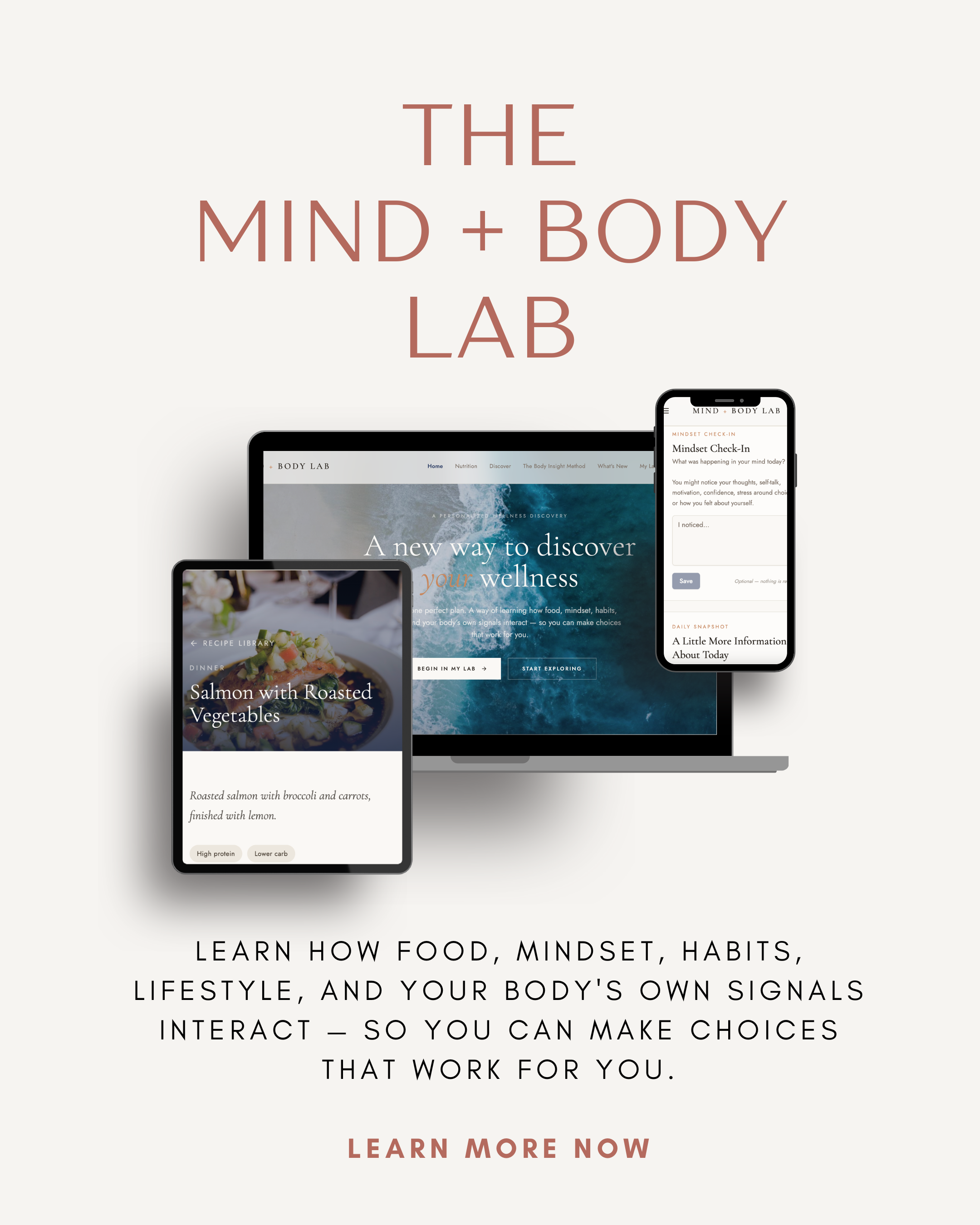
→ If you want a system that walks you through how to build a wellness plan unique for you, we’ve also created The Mind + Body Lab, but let’s dive into the info in this post first.
Whole Food Plant-Based Protein Powerhouses (No Tofu Needed)
Here are top plant-based protein sources that offer more than just protein — they’re also rich in fiber, vitamins, and minerals that support overall wellness:
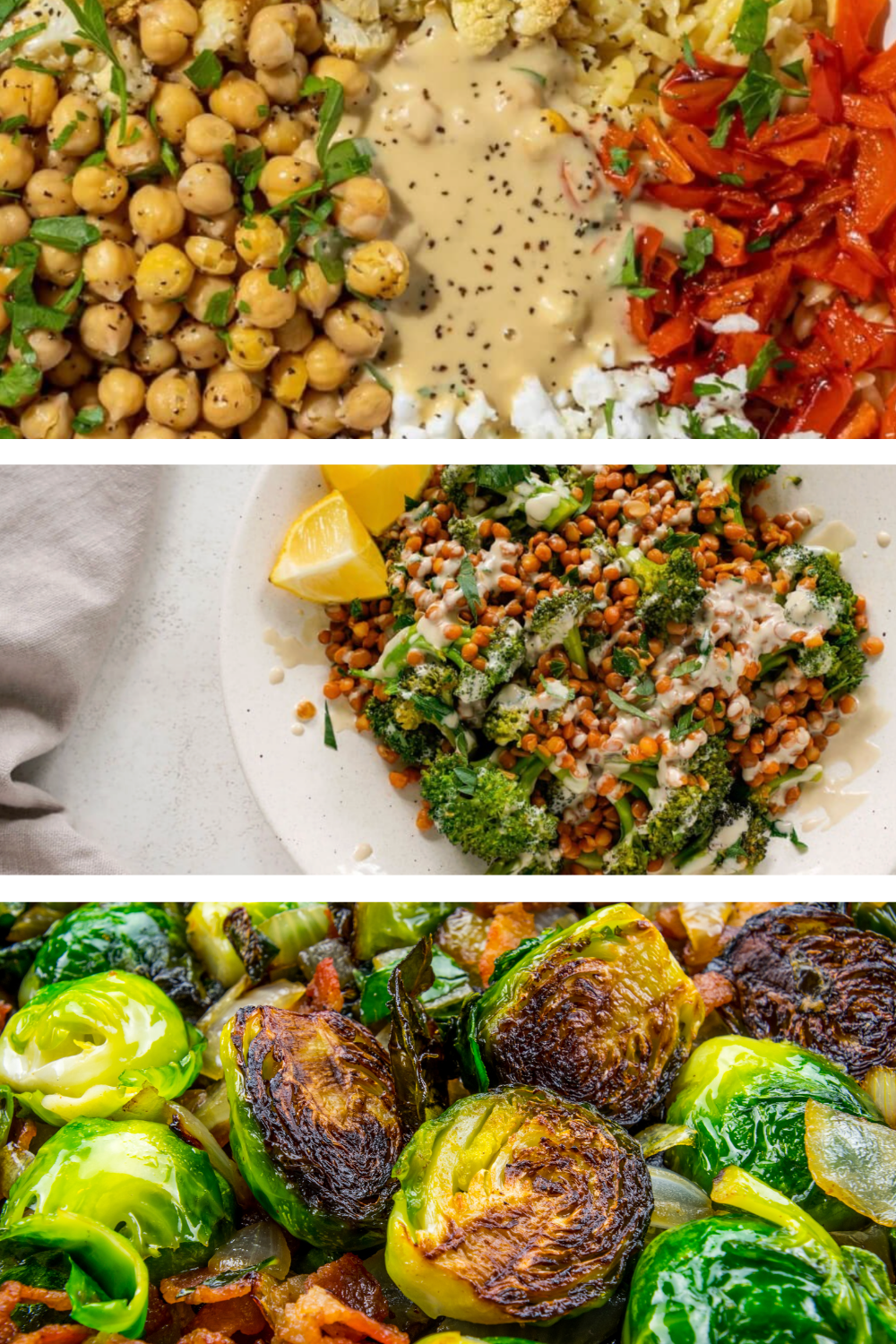
1. Lentils (18g protein per cooked cup) Budget-friendly, filling, and incredibly versatile. Great in soups, salads, grain bowls, or even as the base of veggie burgers.
2. Chickpeas & Other Beans (15g+ protein per cooked cup) Chickpeas, black beans, kidney beans, and navy beans offer serious protein and fiber. Roasted chickpeas also make a great snack!
3. Quinoa (8g protein per cooked cup) Unlike most grains, quinoa is a complete protein, meaning it contains all nine essential amino acids. Try it in bowls, salads, or even as a breakfast base.
4. Hemp Seeds (10g protein per 3 tablespoons) These tiny seeds are a protein superstar. Sprinkle them on smoothie bowls, yogurt, oatmeal, or salads.
5. Pumpkin Seeds (7g protein per ¼ cup) Great for snacking or tossing onto your meals for a protein boost and satisfying crunch.
6. Edamame (17g protein per cup) If you’re not into tofu but still want soy-based protein, edamame is a great alternative — snack on it or toss into stir-fries.
7. Nutritional Yeast (8g protein per 2 tablespoons) A cheesy, savory, protein-packed topping. Great on popcorn, pasta, or roasted veggies.
8. Oats (5g protein per ½ cup dry) Yes, even your breakfast bowl can bring the protein. Add hemp seeds, chia seeds, or almond butter to level it up.
9. Chia Seeds (5g protein per 2 tablespoons) Another versatile seed rich in omega-3s and fiber. Soak them into chia pudding or blend into your smoothies.
10. Tempeh (21g protein per 4 oz) Okay — it’s technically soy, but it’s not tofu. It’s fermented, firmer, and has a nutty flavor. If you're soy-curious but tofu-averse, this could be your go-to.
How to Build a Satisfying Plant-Based Meal That Keeps You Full
One common challenge people face on a plant-based diet is feeling full. Why? Often it's because they’re unintentionally skimping on protein, fat, or fiber — all crucial for satiety.
Here’s a simple structure to follow for balanced, satisfying meals:
✅ Protein: Beans, lentils, quinoa, hemp seeds, tempeh, etc.
✅ Healthy Fats: Avocado, nuts, seeds, olive oil
✅ Fiber-Rich Carbs: Vegetables, whole grains, legumes, fruit
✅ Flavor Boosters: Herbs, spices, lemon, tahini dressings, etc.
This approach ensures your meals not only taste amazing but also keep you full and fueled for hours.
Bonus: Easy High-Protein Plant-Based Snack Ideas
Need quick snack inspo? Try these:
Apple slices with almond butter + hemp seeds
Roasted chickpeas with sea salt + paprika
Edamame with tamari + sesame
Chia pudding with berries + granola
Protein smoothie with plant-based protein powder, almond milk, banana, and flax
It’s Not About Perfection — It’s About Pattern
You don’t have to track every gram or stress over every bite. Focus on eating a variety of whole plant-based foods consistently. Over time, your body will thrive — with improved energy, better digestion, and sustainable fullness.
You’ve got options — tofu or not.
Keep Going: Your Next Steps
Want to dive deeper? Here are a few resources to keep the momentum going:
📌 Related Posts
THE MIND + BODY LAB - SAY HELLO TO A NEW WAY TO APPROACH YOUR WELLNESS
A way of learning how food, mindset, habits, lifestyle, and your body's own signals interact — so you can make choices that work for you.
Includes:
Nutrition Pathways (Mediterranean, High Protein, GLP-1 & More - recipes, meal plans & action steps)
Discovery - tools & educations to learn and experiment with. Enjoy topics from mindset (identity, self-talk, limiting beliefs, perfectionism), self-care, habits and motivation to nutrition and eating behaviors.
The Body Insight Method - Learn how to tune into your body & lifestyle to create a wellness plan that works for you.
What’s New (interactive) - A space for our coaches to post weekly topics, reflective thoughts, monthly challenges and more. This is also a place for interaction. You can comment and ask questions to learn more!
My Lab (intuitive + interactive) - Your personal space to practice what you’re learning. Check in, reflect and notice what you’re learning and what’s working (or what isn’t). Let the lab provide helpful tips and pattern recognition to support your wellness & mindset goals.
Get The Mind + Body Lab Today!