


Anti-Inflammatory Food List: What to Eat, What to Avoid, and Simple Swaps
/
If you’ve been trying to eat healthier, reduce inflammation, or just feel better in your body, you’ve probably come across the idea of an anti-inflammatory diet. There’s a lot of information out there when it comes to the anti-inflammatory diet and it can get kind of confusing. Honestly, it doesn’t have to complex and it also doesn’t have to be restrictive.
That’s why we created this blog post - to break things down in a simple way and give you the tools you need for success.
This is a simple, practical breakdown of:
What an anti-inflammatory diet actually is
What it isn’t
What to eat more of
What to be mindful of
And how to start making small, realistic changes
What Is an Anti-Inflammatory Diet?
At its core, an anti-inflammatory diet is about supporting your body with nutrient-dense, whole foods that help regulate inflammation over time.
It’s not a strict set of rules or a one-size-fits-all plan.
Instead, it focuses on:
Whole, minimally processed foods
Healthy fats
Fiber-rich carbohydrates
Quality protein sources
Herbs and spices with functional benefits
It’s less about cutting everything out—and more about consistently adding in foods that support your body.
What It Isn’t
This is where a lot of confusion happens.
An anti-inflammatory diet is not:
Automatically gluten-free
Automatically dairy-free
A detox or cleanse
A short-term “reset”
About perfection
It’s a lifestyle. Just like any other way of eating, if you return to your old ways, the inflammation is likely to come back. It’s about creating balance. Some people may feel better limiting certain foods, but that’s individual and will depend on each individual’s needs. The foundation is still:
Whole foods, balance, and consistency vs unnecessary restiction.
Anti-Inflammatory Foods to Include
You don’t need to eat all of these every day—this is simply a guide to help you build balanced meals.
FRUITS
Rich in antioxidants and vitamin C
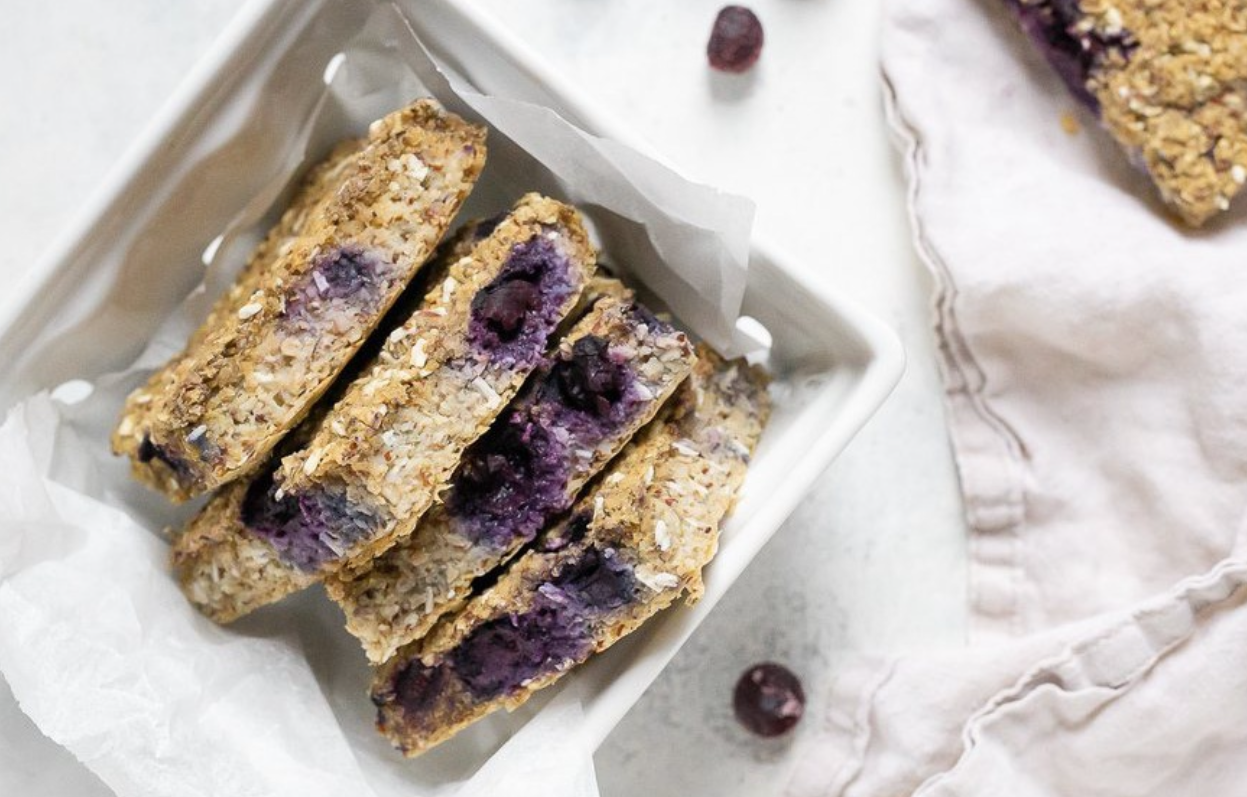
Berries (blueberries, strawberries, raspberries)
Citrus (oranges, lemons, limes)
Apples
Pineapple
Cherries
Pomegranate
VEGETABLES
High in fiber, vitamins, and phytonutrients
Leafy greens (spinach, kale, arugula)
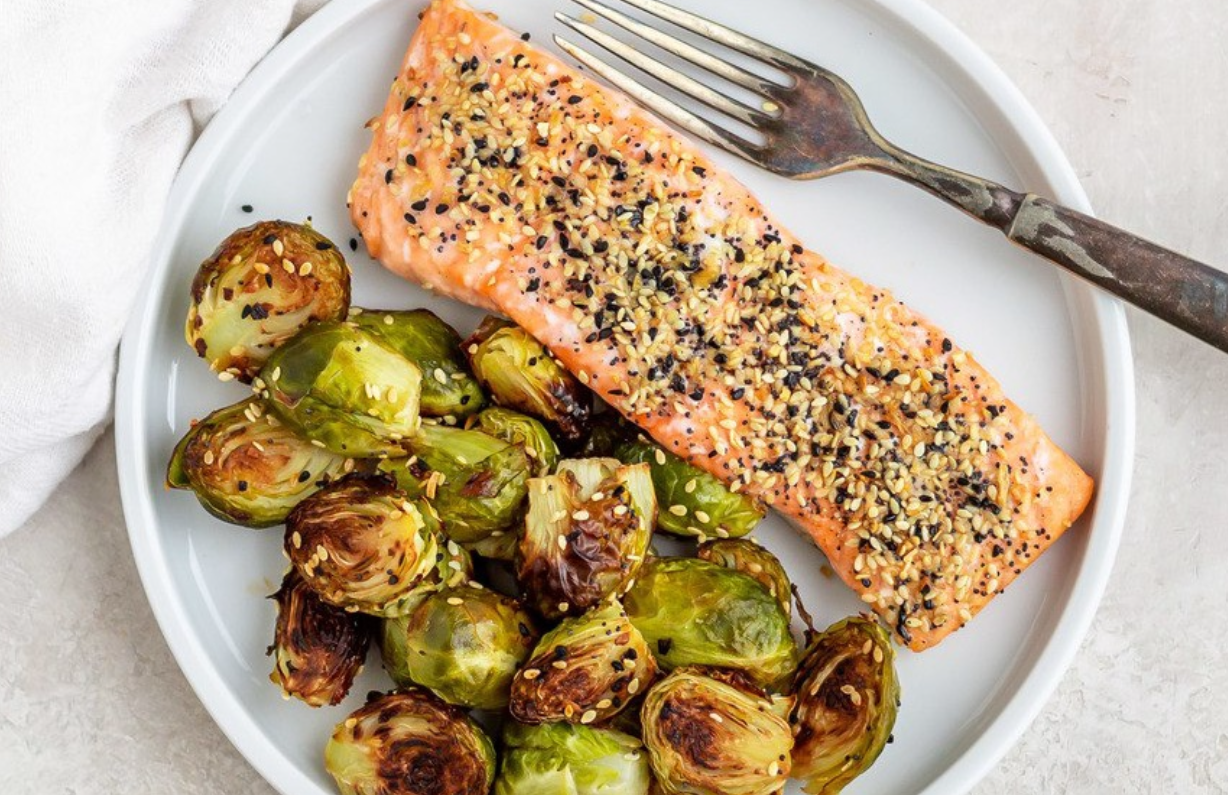
Broccoli, cauliflower, Brussels sprouts
Zucchini
Bell peppers
Carrots
Sweet potatoes
HEALTHY FATS
Support hormone balance and reduce inflammation
Extra virgin olive oil
Avocado
Nuts (almonds, walnuts, cashews)
Seeds (chia, flax, hemp)
PROETIN SOURCES
Help stabilize blood sugar and support muscle health
Fatty fish (salmon, sardines)
Chicken, turkey
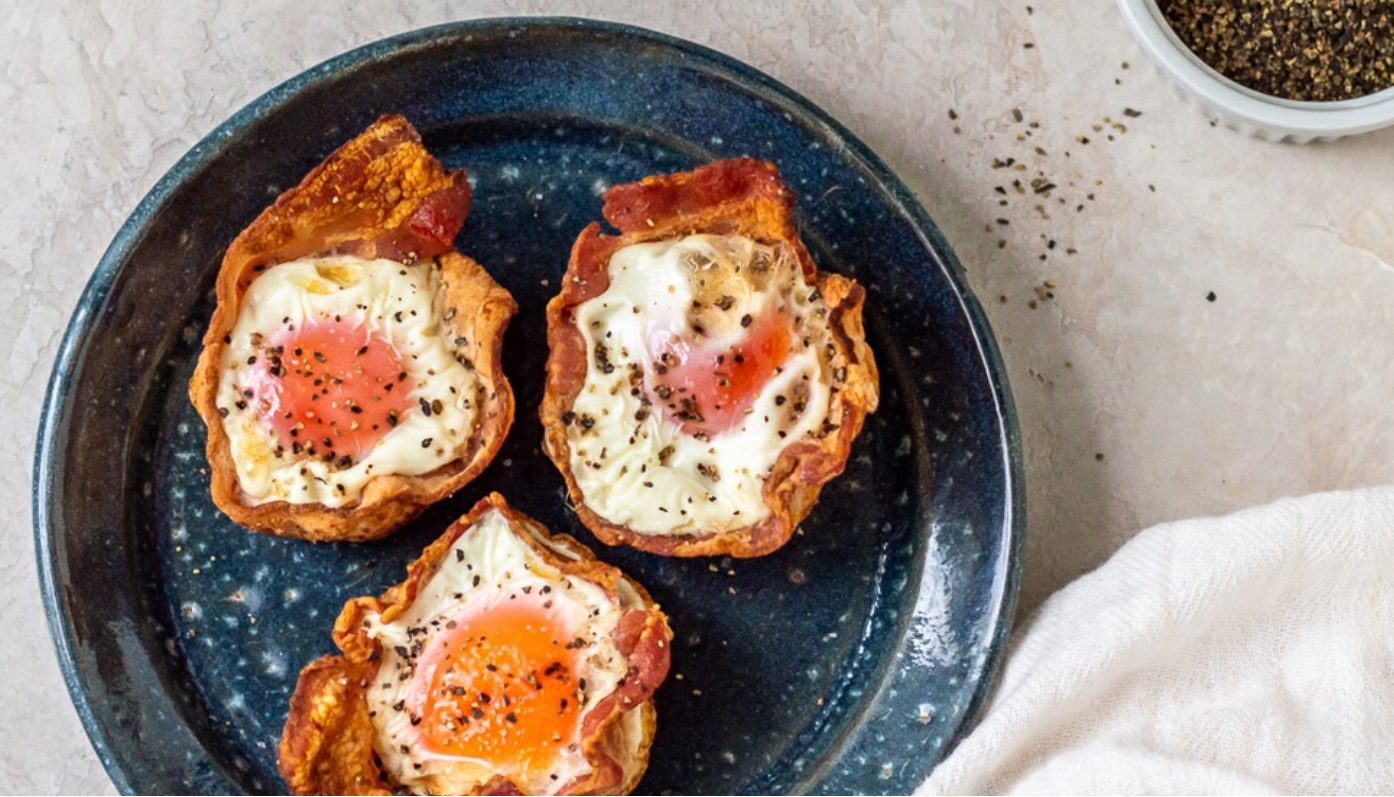
Eggs
Greek yogurt (if tolerated)
Legumes (lentils, chickpeas, beans)
HERBS, SPICES & EXTRAS
Small additions that can have a big impact
Turmeric
Ginger
Garlic
Cinnamon
Green tea
Dark chocolate (in moderation)
Foods to Be Mindful Of
This isn’t about eliminating everything—but being aware of patterns.
Highly processed foods
Refined sugars
Sugary drinks
Refined carbohydrates (white bread, pastries)
Processed meats
Excess alcohol
Highly refined vegetable oils
These can contribute to inflammation when consumed regularly and in excess.
Simple Anti-Inflammatory Swaps
You don’t need to overhaul your entire diet overnight.
Sometimes the most effective approach is just making small upgrades.
White bread → Whole grain or sourdough
Sugary cereal → Oats with fruit and nuts
Chips or processed snacks → Nuts, fruit, simple snack plates, kale chips, homemade vegetable chips
Vegetable oils → Olive oil or avocado oil
Sugary drinks → Sparkling water, herbal tea, or smoothies
Store-bought desserts → Dark chocolate or homemade options
Pasta → Brown rice pasta or zucchini pasta
White flour tortillas → lettuce wraps or sprouted grain tortillas
Sweets - low sugar treats or desserts made only with whole food and unrefined sugar ingredients
Start with one or two swaps and build from there.
How to Transition (Without Overcomplicating It)
You don’t need to change everything all at once. Take small steps and work your way into anti-inflammatory eating.
Start with:
Adding one anti-inflammatory meal per day
Swapping out one or two common foods
Keeping your kitchen stocked with supportive ingredients (start with a few additions and gently switch things over as you use certain foods and pantry staples)
If you want a simple way to put this into practice, I’ve broken it down into a practical grocery and pantry list that makes it easy to shop and plan meals.
👉 Anti-Inflammatory Grocery & Pantry List
Thoughts & Resources
An anti-inflammatory diet isn’t about being perfect. It’s about building a way of eating that:
Feels sustainable
Supports your energy and health
And fits into your real life
Small, consistent changes will always go further than extreme, short-term efforts. Start simple—and build from there.
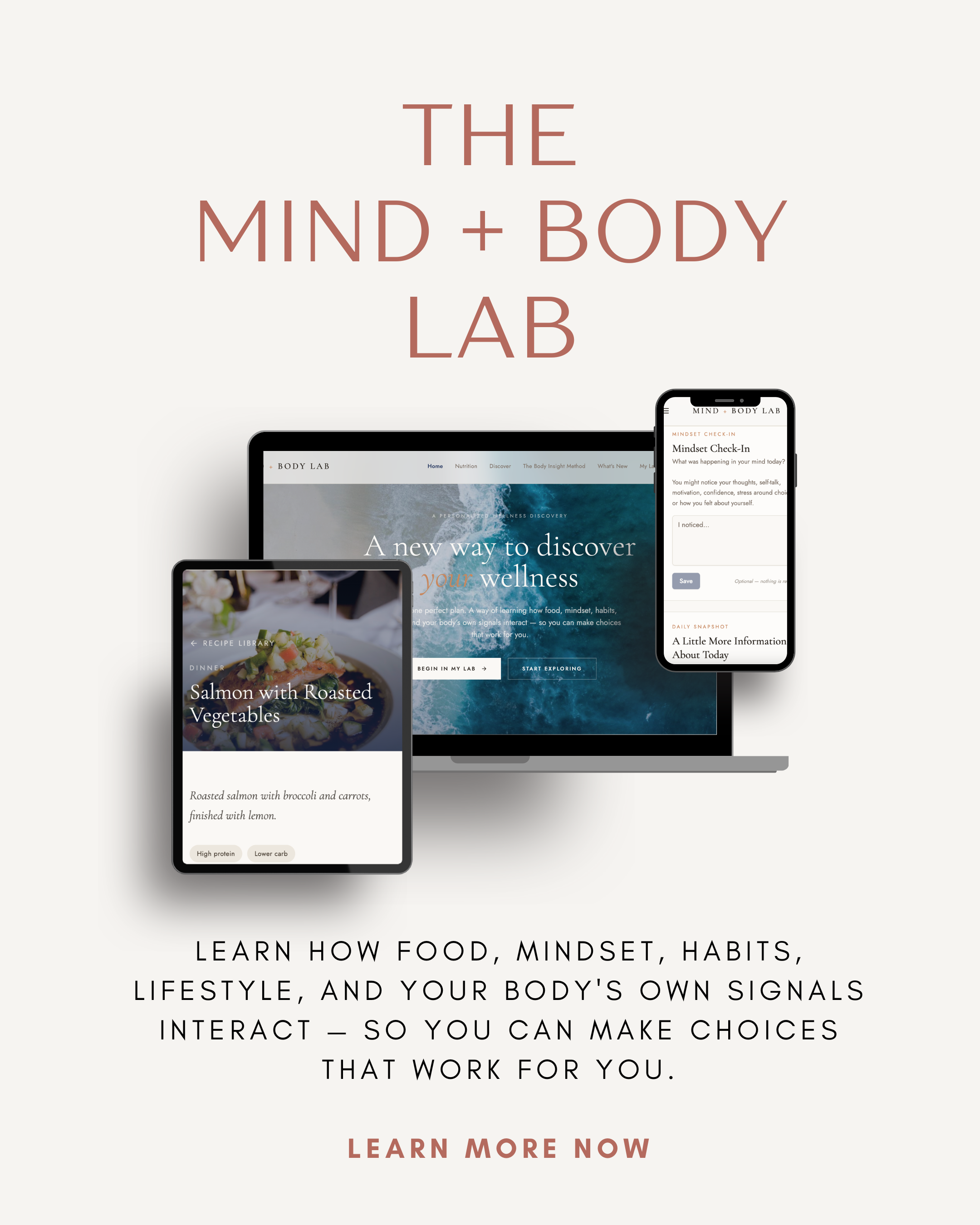
THE MIND + BODY LAB - SAY HELLO TO A NEW WAY TO APPROACH YOUR WELLNESS
A way of learning how food, mindset, habits, lifestyle, and your body's own signals interact — so you can make choices that work for you.
Includes:
Nutrition Pathways (Mediterranean, High Protein, GLP-1 & More - recipes, meal plans & action steps)
Discovery - tools & educations to learn and experiment with. Enjoy topics from mindset (identity, self-talk, limiting beliefs, perfectionism), self-care, habits and motivation to nutrition and eating behaviors.
The Body Insight Method - Learn how to tune into your body & lifestyle to create a wellness plan that works for you.
What’s New (interactive) - A space for our coaches to post weekly topics, reflective thoughts, monthly challenges and more. This is also a place for interaction. You can comment and ask questions to learn more!
My Lab (intuitive + interactive) - Your personal space to practice what you’re learning. Check in, reflect and notice what you’re learning and what’s working (or what isn’t). Let the lab provide helpful tips and pattern recognition to support your wellness & mindset goals.
Get The Mind + Body Lab Today!