




How to Use Life Changes to Build Lasting Wellness Habits
/
Author: Jennifer McGregor
Adults interested in fitness and wellness retreats in Delray Beach often arrive after a major life transition, a move, a breakup, a new job, a health scare, when stress is high and motivation feels unreliable.
Familiar routines crack, and the hidden habits behind stalled weight loss and chaotic eating patterns tend to get louder. That disruption can feel like proof that a healthy lifestyle is out of reach. It can also create a rare opening for habit change motivation to return and for stress management challenges to be handled with more intention.
Understanding the Habit Window After Change
When life changes, your usual cues and autopilot patterns loosen for a while. That creates a short habit window where new choices can stick more easily, because your brain is already updating what feels “normal.” Behavioral changes are a response to new internal or external triggers, not a character flaw.
This matters because weight loss and wellness rarely fail from lack of knowledge. They fail when old routines quietly steer meals, sleep, and movement. During a transition, you can design a simple routine that matches your new reality, rather than forcing your old schedule to fit.
Think of it like rearranging a kitchen after a move. While everything is out, it is easier to place the fruit bowl where you will actually grab it, and keep snacks out of reach. Once the drawers settle, changing them takes more effort.
With that window in mind, it helps to spot the habits that surge and swap in steadier defaults.
Habits to Reset Your Wellness Defaults
Try these repeatable practices during your transition.
When your schedule, social life, or environment shifts, small habits become your strongest guardrails. These routines help retreat-minded adults turn fresh motivation into steady weight loss and better health by building structure you can keep long after the “newness” fades.
Mindful First Three Bites
What it is: Notice the sensory experiences of eating for three slow bites.
How often: Daily, at your first meal.
Why it helps: It interrupts stress eating and helps fullness signals catch up.
Two Anchor Walks
What it is: Take a 10 minute walk after breakfast and dinner.
How often: Daily.
Why it helps: It turns sedentary days into reliable calorie burn and mood support.
Protein Plus Produce Plate
What it is: Build each meal around protein, then add one fruit or vegetable.
How often: Daily.
Why it helps: It reduces grazing and makes meals more filling.
Boundary Check Text
What it is: Send one message that protects time, sleep, or recovery.
How often: Weekly.
Why it helps: It lowers energy drain from draining relationships.
Sunday Retreat Preview
What it is: Pick three workouts, two simple meals, and one stress reset.
How often: Weekly.
Why it helps: It makes healthy choices automatic when the week gets noisy.
Choose one habit this week, then adjust it to fit your family rhythm.
Reflect → Choose → Swap → Track → Reinforce
To make this sustainable, use this simple rhythm.
Life transitions create a brief window where old defaults feel less automatic, which is exactly when lasting wellness habits can take root. This workflow helps retreat-minded adults translate fresh motivation into consistent weight loss support by turning awareness into a plan, a plan into action, and action into a pattern you can keep.
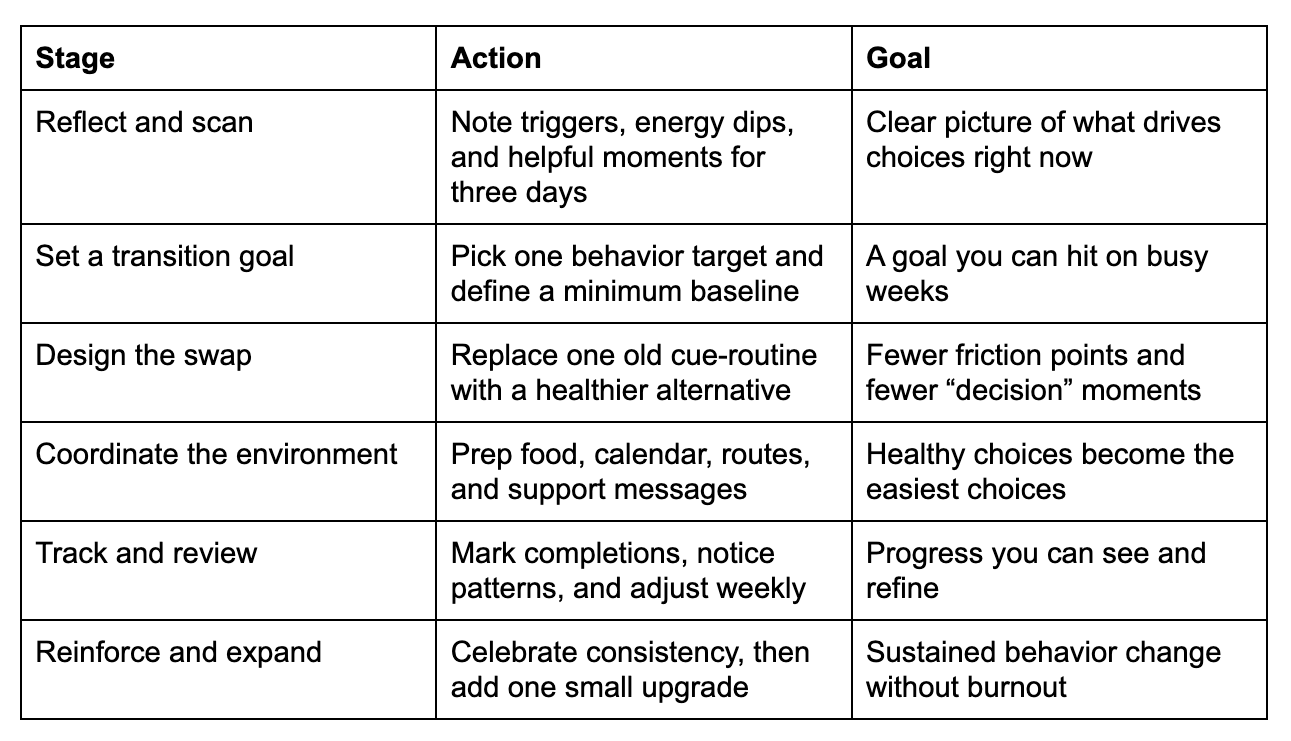
Each stage feeds the next: reflection makes the goal realistic, the swap keeps it doable, and coordination reduces willpower drain. Tracking turns your week into feedback, so reinforcement feels earned and expansion stays gentle.
Start with one baseline action, then let the rhythm carry you.
Common Questions During Life Transitions
When change hits, practical questions come up fast.
Q: How can I use a major life transition to break free from unhealthy eating habits?
A: Treat the transition as a reset point: pick one “minimum baseline” habit you can do even on chaotic days, like a protein-forward breakfast or a 10-minute walk before dinner. Pair it with a confidence cue, such as a sticky note that says “keep it small, keep it daily,” so you do not rely on willpower. Then make one easy swap for your most common trigger time, like keeping a ready snack where you usually grab takeout menus.
Q: What strategies help manage stress and overwhelm when facing big life changes?
A: Start by naming the stressor and choosing one calming action you can repeat, like a 2-minute breathing break before meals. It helps to remember that emotional strain is common. If your stress feels unmanageable, reach out to a clinician or counselor early.
Q: How do I stay motivated to maintain positive habits during periods of uncertainty?
A: Lower the bar on purpose and aim for consistency, not intensity. Track only one thing for two weeks, like “I completed my baseline habit,” and use a simple reward such as texting a friend your checkmark. When motivation dips, repeat your confidence cue and do the smallest version of the habit to keep your identity intact.
Q: What are effective ways to simplify my daily routine while going through a major transition?
A: Reduce decisions by pre-choosing your defaults: two breakfasts, two lunches, and two workouts you rotate. Time-box the basics by giving yourself a short window for planning, shopping, and prep. For logistics, make fast edits to required medical or insurance forms by updating PDF content; then store everything in one folder.
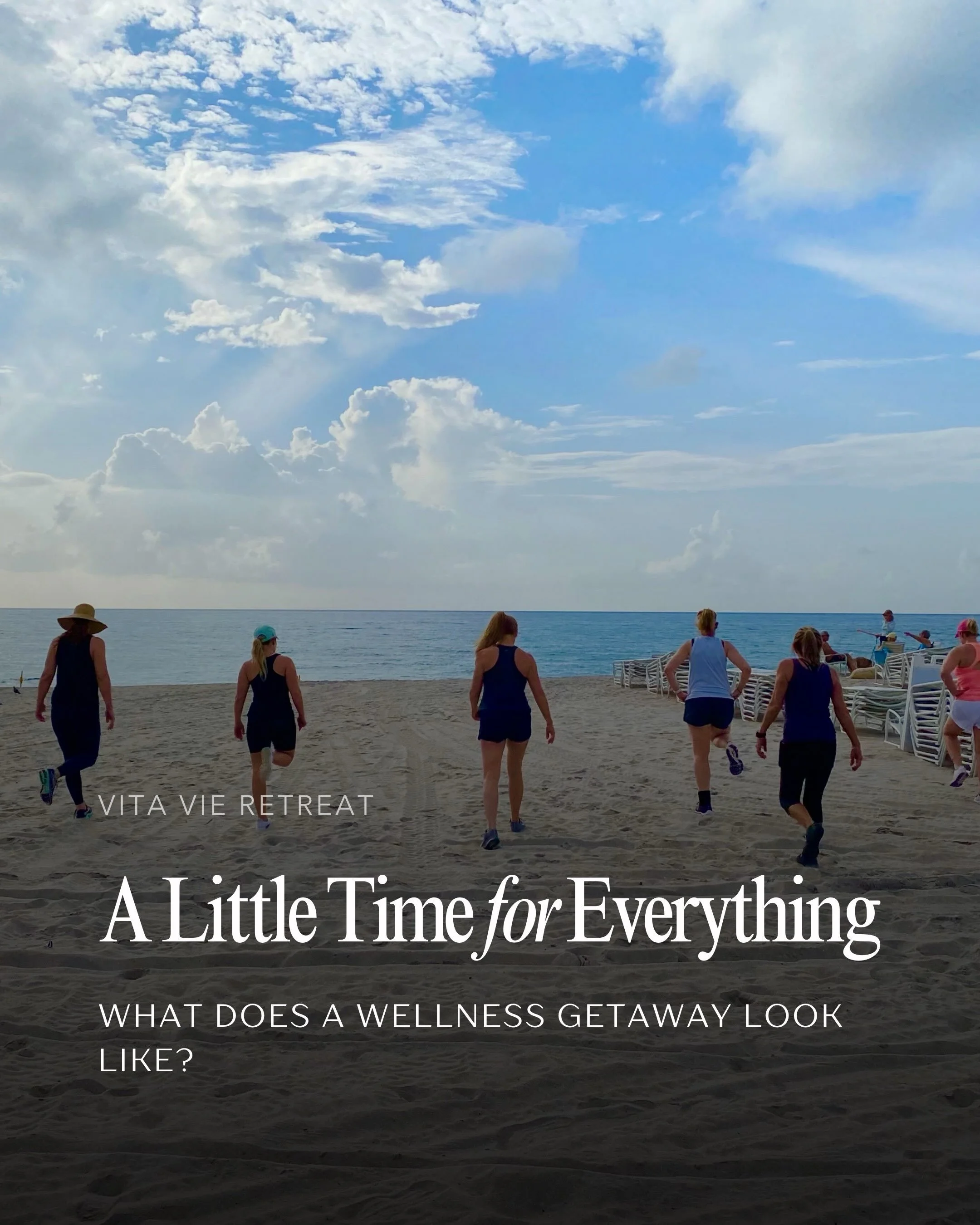
Q: How can attending a fitness and wellness retreat support me during life changes like relocating or starting a new health journey?
A: A retreat can provide structure when your normal routines are disrupted, so healthy choices feel simpler for a few days. It also offers built-in accountability, coaching, and community, which can steady motivation during uncertain weeks. Before you go, decide your post-retreat baseline habit so the momentum transfers back home.
Small steps, repeated through change, build the kind of wellness that lasts.
Turning Life Changes Into Lasting Wellness Habits in Delray Beach
Life transitions can shake routines, drain motivation, and make healthy choices feel like one more thing to manage. The way through is an embracing change mindset: treat disruption as a personal growth opportunity and build one long-term wellness commitment that fits real life, not a perfect schedule. With that approach, consistency returns, stress feels more workable, and a positive lifestyle transformation starts to stick even when days are busy.
Change doesn’t have to break your habits, it can become the support system that builds them.
Choose one baseline habit for the next 30 days and pair it with community support in wellness, whether that’s a Delray Beach retreat, a friend group, or a shared accountability plan. That connection turns change into steadier health, resilience, and confidence for whatever comes next.
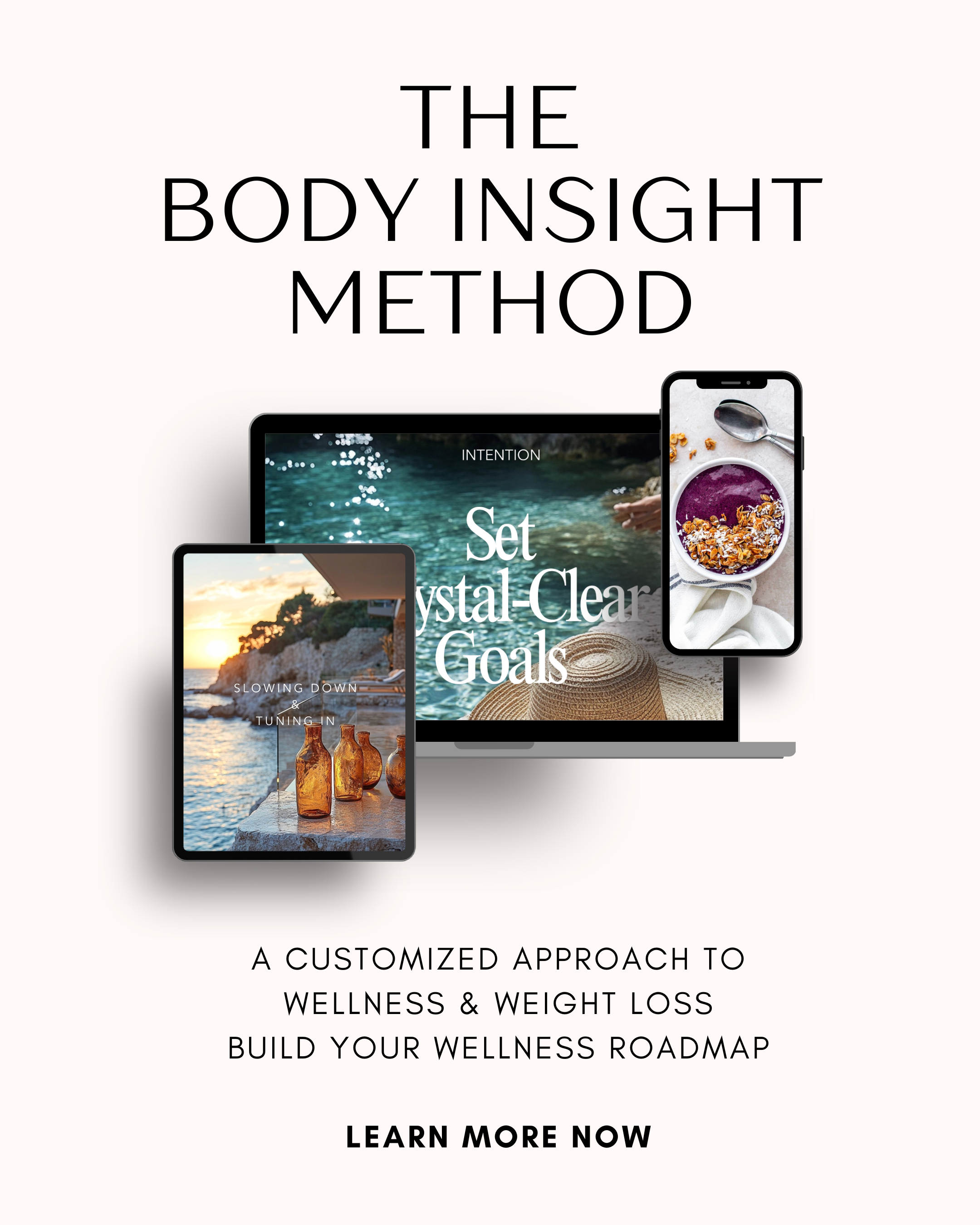
SAY HELLO TO CUSTOMIZED WELLNESS & WEIGHT LOSS WITH THE BODY INSIGHT METHOD
Real, lasting health isn't about following more rules or restrictions—it's about creating balanced wellness that's unique for your body & your lifestyle.
Whether you want to boost energy, improve overall health or lose weight — you’ll learn to notice your body's unique signals, understand what they're telling you, and create a personalized approach to wellness that fits your life.
Includes:
5 Learning Modules, 12 Week Guided Action Plan, Recipes, Meal Plans, Resources & Tracking Tools
3I Framework for Mindset & Goal Setting
Biofeedback & The 4P’s: Customize for Your Body & Your Lifestyle
The Health First Approach to Metabolism
Mindful & Intuitive Eating
The AIM Method: Awareness, Adaptation & Integration
12 Week Guided Action Plan: Build Your Wellness Roadmap
Recipes & Meal Plans: 650+ Recipes & Meal Plans
Tools & Resources - Habit trackers, reflection exercises, and implementation guides.
Learn More Now: The Body Insight Method