


The Ultimate Gluten-Free Food List: Whole Food Gluten-Free Eating Made Simple
/
When it comes to nutrition, there are a lot of different nutritional needs. Going gluten-free is connected to so many different reasons. You might have a gluten allergy, gluten intolerance. You might have digestive issues, feel like you are sluggish, may experience brain fog. There are so many reasons why you may want to go gluten free.
Gluten-free eating can feel overwhelming at first, especially with so many packaged “gluten-free” products lining grocery store shelves. But in reality, some of the simplest foods are naturally gluten-free.
In this guide, I’m sharing:
what gluten actually is
where gluten tends to hide
naturally gluten-free foods
simple grocery staples
my approach to balanced gluten-free eating using mostly whole foods
While there are plenty of gluten-free packaged products available today, I personally prefer focusing on minimally processed foods whenever possible — things like proteins, vegetables, fruit, healthy fats, rice, potatoes, and other naturally gluten-free staples.
For me, gluten-free eating feels simplest and most nourishing when meals are built around real food first.
→ For anyone who wants a structured, step-by-step plan, we created The Body Insight Method. Let’s start with the free food list, then you can decide if you want more support.
What Is Gluten?
Gluten is a group of proteins found in wheat, barley, and rye. It helps foods maintain their texture and elasticity, especially in breads and baked goods.
People may choose to avoid gluten for several reasons, including:
celiac disease
gluten sensitivity
digestive symptoms
autoimmune conditions
personal preference
Because gluten is commonly used in processed foods, sauces, seasonings, and packaged snacks, it can sometimes appear in places you wouldn’t expect.
Where Gluten Hides
This section is extremely valuable because people search for this constantly.
You can explain:
soy sauce
salad dressings
soups
gravies
marinades
processed meats
imitation crab
seasoning blends
protein bars
oats (cross-contamination)
fried foods
restaurant sauces
Always check labels, especially for packaged foods. Look for certified gluten-free when needed. When eating out, ask restaurants which items are gluten-free if not already denoted.
My Approach to Gluten-Free Eating
My personal philosophy around gluten-free eating is to focus primarily on naturally gluten-free whole foods rather than relying heavily on processed gluten-free substitutes.
Many packaged gluten-free products are made with refined starches, gums, additives, binders, and alternative flours that may still leave you feeling sluggish or unsatisfied.
That doesn’t mean you can never enjoy gluten-free treats. I fully understand the need for gluten-free breads, crackers, or cookies, among other things — but I like to think of those as occasional additions rather than the foundation of everyday meals.
Instead, I focus on meals for myself and our guests and clients that are built around:
quality protein
vegetables
fruit
healthy fats
naturally gluten-free carbohydrates
This approach tends to feel simpler, more balanced, and easier to sustain long term.
Naturally Gluten-Free Foods
Gluten-Free Protein Sources
Eggs
Chicken
Turkey
Beef
Salmon
Tuna
Shrimp
Greek yogurt
Cottage cheese
Tofu
Tempeh
Beans
Lentils
Protein powder (certified gluten-free)
Naturally Gluten-Free Carbohydrates
Rice
Quinoa
Potatoes
Sweet potatoes
Oats (certified gluten-free)
Fruit
Corn
Beans
Lentils
Gluten-free oats
Buckwheat
Chia seeds
Healthy Gluten-Free Fats
Avocado
Olive oil
Nuts
Seeds
Nut butter
Coconut milk
Olives
Vegetables
All fresh vegetables are naturally gluten free.
Safe Gluten-Free Staples to Keep on Hand
This section makes the post more practical.
Examples:
eggs
frozen vegetables
canned tuna/salmon
rice
potatoes
Greek yogurt
fruit
nuts
hummus
olive oil
rotisserie chicken
gluten-free oats
Final Thoughts
Gluten-free eating does not have to mean complicated specialty products or restrictive meals.
In many cases, the simplest meals are naturally gluten-free:
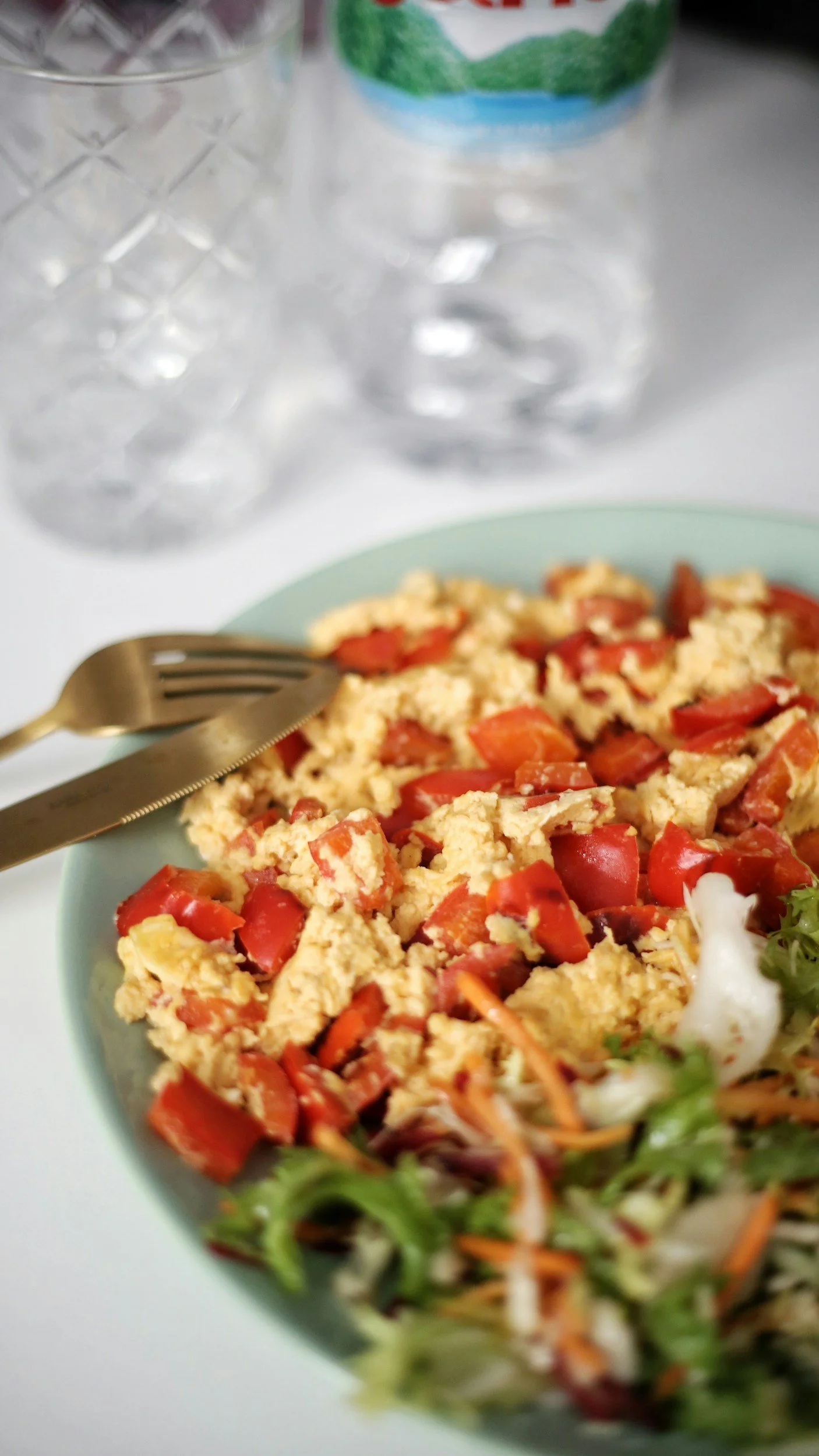
eggs and vegetables
grilled protein with potatoes or rice
salads with protein and healthy fats
fruit, yogurt, and nuts
soups, bowls, and sheet pan meals
Focusing on minimally processed whole foods can make gluten-free eating feel more approachable, balanced, and sustainable long term.
Dive Into More Resources
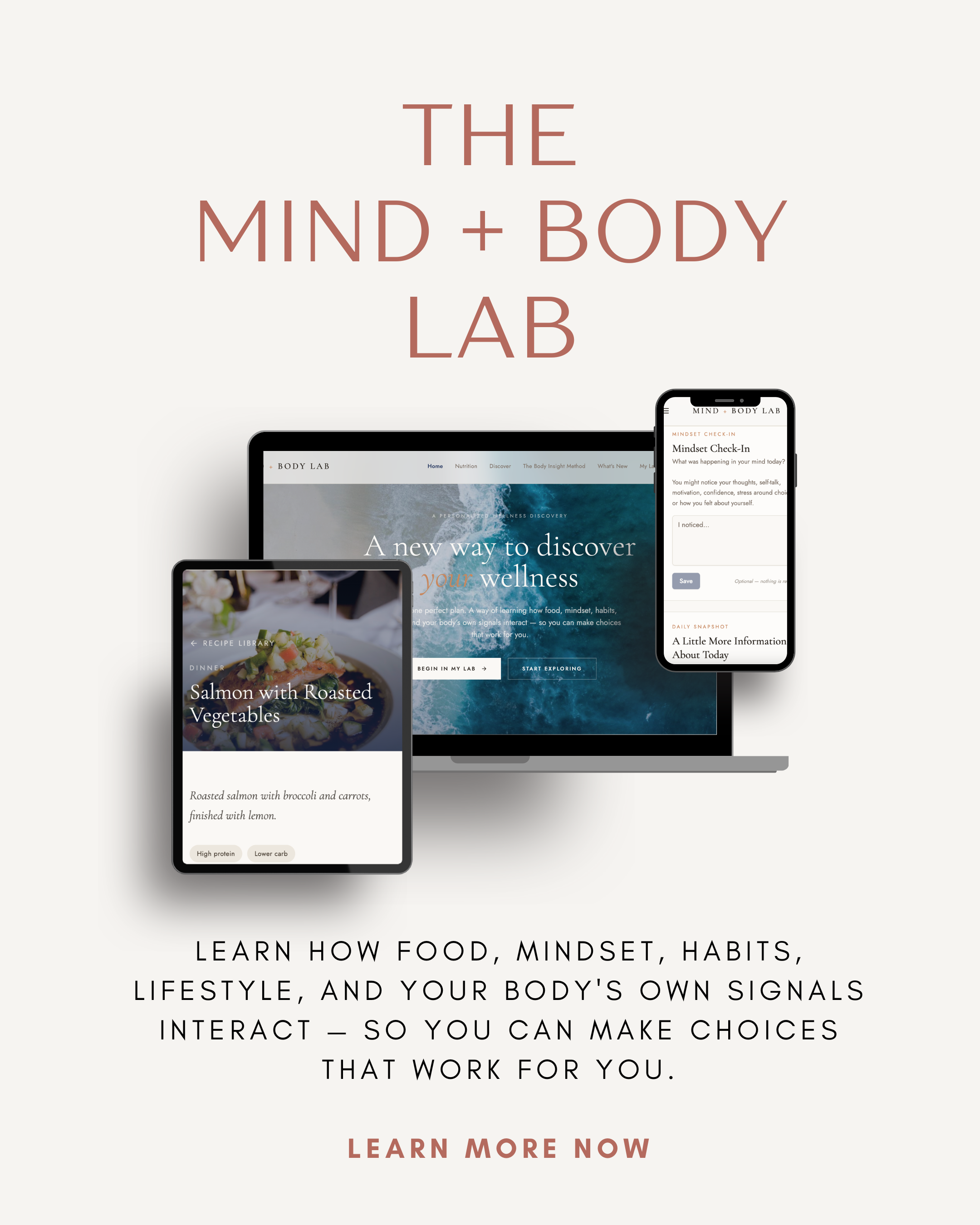
THE MIND + BODY LAB - SAY HELLO TO A NEW WAY TO APPROACH YOUR WELLNESS
A way of learning how food, mindset, habits, lifestyle, and your body's own signals interact — so you can make choices that work for you.
Includes:
Nutrition Pathways (Mediterranean, High Protein, GLP-1 & More - recipes, meal plans & action steps)
Discovery - tools & educations to learn and experiment with. Enjoy topics from mindset (identity, self-talk, limiting beliefs, perfectionism), self-care, habits and motivation to nutrition and eating behaviors.
The Body Insight Method - Learn how to tune into your body & lifestyle to create a wellness plan that works for you.
What’s New (interactive) - A space for our coaches to post weekly topics, reflective thoughts, monthly challenges and more. This is also a place for interaction. You can comment and ask questions to learn more!
My Lab (intuitive + interactive) - Your personal space to practice what you’re learning. Check in, reflect and notice what you’re learning and what’s working (or what isn’t). Let the lab provide helpful tips and pattern recognition to support your wellness & mindset goals.
Get The Mind + Body Lab Today!