




25 Realistic Weight Loss Habits That Actually Support Wellness
/
Healthy weight loss isn’t built through perfection, restriction, or completely overhauling your life overnight.
In reality, sustainable progress usually comes from small habits practiced consistently over time — nourishing meals, movement, hydration, sleep, stress management, and supportive routines that fit into real life.
If you’ve ever felt overwhelmed by extreme diets or all-or-nothing wellness plans, you’re not alone. Many people think they need to “start over” perfectly to see results, when often the most effective approach is much simpler: build supportive habits one step at a time.
This list is not meant to become another overwhelming checklist.
Instead, think of these habits as inspiration and practical tools you can personalize to your lifestyle, preferences, schedule, and goals.
You do not need to implement all 25 habits at once (in fact, please don’t implement them all at once).
You do not need to do them perfectly (we don’t do perfect here). Progress over perfection + growth over guilt. We celebrate the wins and learn from the rest.
You simply need to start somewhere.
I have always loved this quote from James Clear,
Just start.
Start slow if you have to.
Start small if you have to.
Just start.
Pick one thing and try it for a week. See how well it works (or doesn’t) and make the necessary changes form there.
1. Eat More Whole, Unprocessed Foods
Whole foods like fruits, vegetables, lean proteins, legumes, whole grains, nuts, and seeds provide nutrients that help support energy, fullness, digestion, and overall wellness.
This doesn’t mean every meal has to be “perfect.” It simply means focusing more often on foods that help you feel nourished and satisfied.
Simple Ways to Start:
add fruit to breakfast
include vegetables with lunch or dinner
swap packaged snacks for simple whole food options
build meals around protein and produce first
Small shifts truly add up over time.
2. Practice Portion Awareness
Portion awareness can help you better tune into hunger and fullness cues without needing to obsessively track every bite.
The goal is not restriction — it’s learning what feels supportive for your body.
Simple Ways to Start:
eat slowly
use smaller bowls or plates if helpful
pause halfway through meals
avoid eating distracted when possible
Mindful eating often naturally improves portion balance.
3. Increase Protein Intake
Protein supports fullness, muscle maintenance, metabolism, recovery, and balanced blood sugar — especially during weight loss.
Balanced meals with protein also tend to feel more satisfying and help reduce constant snacking.
Simple Ways to Start:
add eggs or Greek yogurt to breakfast
include chicken, fish, tofu, or turkey with meals
keep protein-rich snacks available
add protein powder to smoothies or oats
You do not need a high-protein “perfect diet.” Start by building more balanced meals consistently.
4. Drink Water Before Meals
Hydration supports digestion, energy, fullness, and overall wellness. Sometimes low energy or increased hunger can actually be linked to dehydration.
Drinking water before meals may also help encourage slower, more mindful eating.
Simple Ways to Start:
keep a reusable water bottle nearby
drink a glass of water before meals
add lemon, berries, or mint for flavor
pair hydration with existing habits like coffee or meals
5. Reduce Added Sugars
Highly processed sugary foods and drinks can lead to energy crashes, increased cravings, and feeling less satisfied overall.
You do not need to eliminate sugar completely. The goal is simply creating more balance.
Simple Ways to Start:
reduce sugary drinks gradually
swap sweet snacks for balanced options with protein
choose higher-fiber carbohydrates more often
focus on overall eating patterns instead of perfection
6. Limit Refined Carbohydrates
Refined carbohydrates like pastries, sugary cereals, and white breads digest quickly and may leave you feeling hungry sooner.
Pairing carbohydrates with protein, fiber, and healthy fats can help support steadier energy.
Simple Ways to Start:
choose oats, quinoa, or brown rice
try whole grain or sourdough bread
pair carbs with protein-rich foods
focus on balance instead of elimination
7. Meal Prep Weekly
Meal prep can reduce decision fatigue, save time, and make supportive choices easier during busy weeks.
Meal prep does not have to mean spending hours cooking elaborate meals.
Simple Ways to Start:
prep protein ahead of time
wash and chop produce
cook grains in batches
prepare simple grab-and-go breakfasts or lunches
Even light preparation can make healthy habits feel easier.
8. Eat Mindfully
Mindful eating helps you reconnect with hunger, fullness, satisfaction, and enjoyment around food.
When meals become rushed or distracted, it’s easy to overeat without realizing it.
Simple Ways to Start:
slow down during meals
chew thoroughly
minimize distractions
notice how foods make you feel
Eating with more awareness often improves satisfaction naturally.
9. Stop Eating When Comfortably Full
Many people are used to eating until they feel overly full. Learning to recognize comfortable fullness can help support digestion and energy levels.
The goal is satisfaction — not deprivation.
Simple Ways to Start:
check in halfway through meals
slow your pace of eating
pause before grabbing seconds
focus on how your body feels afterward
10. Increase Fiber Intake
Fiber helps support fullness, digestion, gut health, and blood sugar balance.
Many people feel more satisfied simply by adding more fiber-rich foods consistently.
Simple Ways to Start:
add vegetables to meals
include beans or lentils
eat berries or apples as snacks
try oats, chia seeds, or flaxseeds
Increase fiber gradually and stay hydrated.
11. Track Your Food Intake (If Helpful)
Tracking can increase awareness around habits, portions, patterns, and consistency.
For some people, this feels supportive. For others, it may feel stressful. The goal is awareness — not perfection.
Simple Ways to Start:
write meals in a journal
track protein or hydration only
reflect on eating patterns
notice energy and hunger trends
12. Limit Alcohol Consumption
Alcohol can impact sleep, appetite, recovery, hydration, and overall wellness goals.
You do not need to avoid it entirely unless you choose to. Awareness and balance matter most.
Simple Ways to Start:
alternate alcoholic drinks with water
set personal boundaries ahead of events
choose lighter options when desired
focus on moderation instead of extremes
13. Use Healthier Cooking Methods
Cooking methods can influence how meals make you feel physically and energetically.
Simple preparation methods often allow meals to feel lighter while still being satisfying.
Simple Ways to Start:
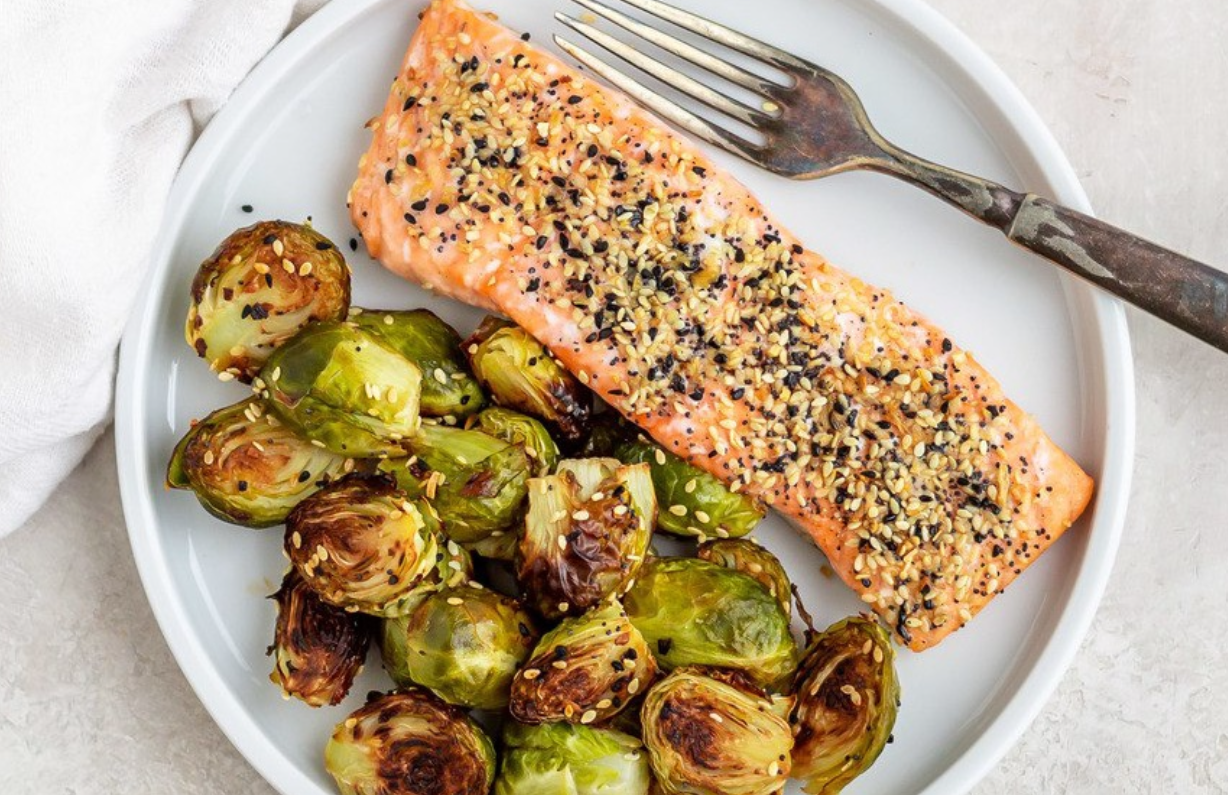
grill or bake proteins
roast vegetables
use olive oil instead of deep frying
experiment with herbs and spices for flavor
Healthy meals do not need to be bland or complicated.

14. Incorporate Strength Training
Strength training helps support muscle mass, metabolism, posture, energy, and long-term wellness.
It’s especially important during weight loss to help preserve lean muscle.
Simple Ways to Start:
use bodyweight exercises
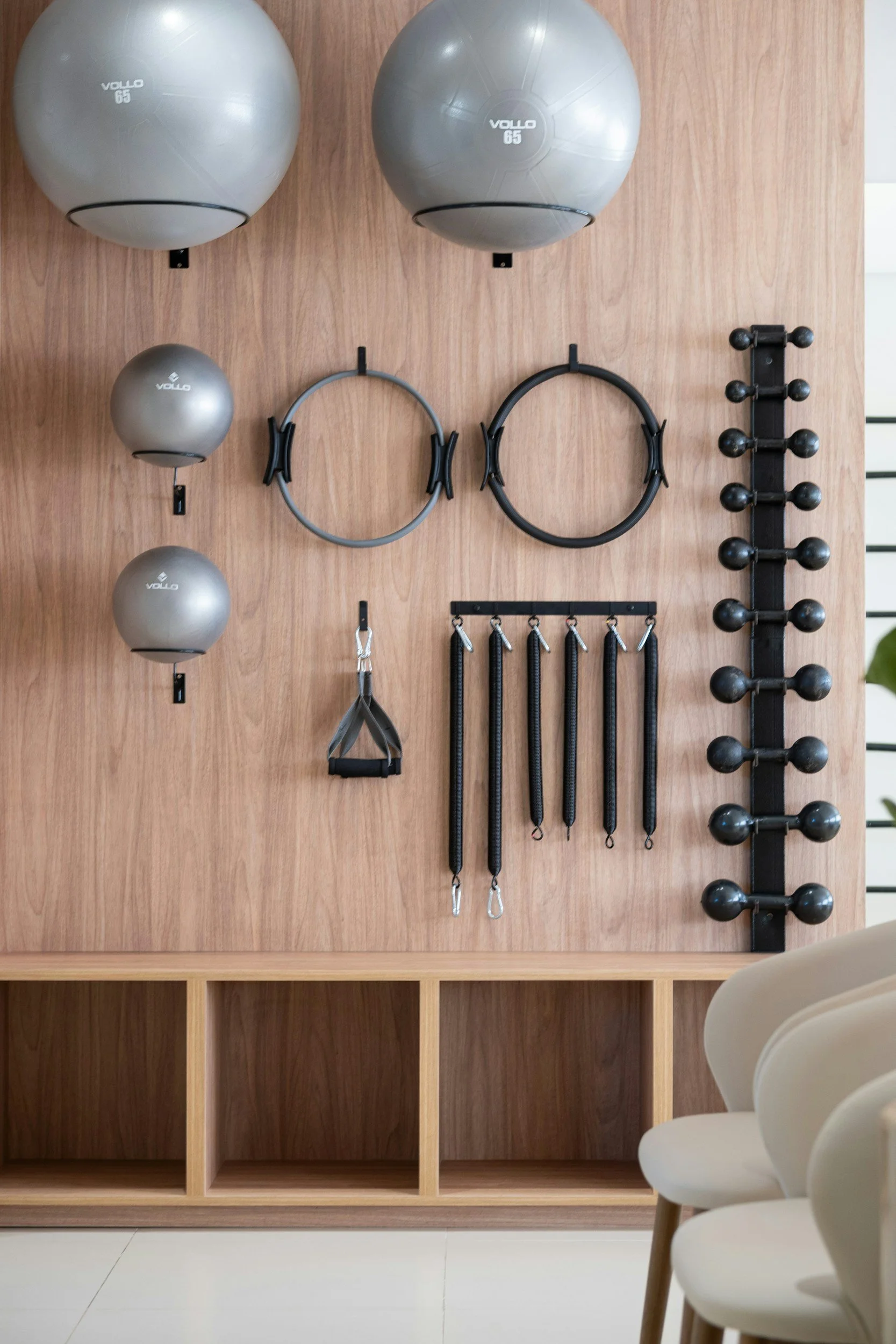
try resistance bands
begin with 2 sessions weekly
focus on consistency over intensity
15. Move Your Body Daily
Daily movement supports physical health, stress management, energy, and mood.
Movement does not need to be intense to be beneficial.
Simple Ways to Start:
take short walks
stretch throughout the day
swim, bike, or dance
choose activities you genuinely enjoy
Consistency matters more than perfection.
16. Increase Daily Steps
Increasing everyday movement can support overall activity levels without structured workouts.
Small bursts of movement throughout the day truly count.
Simple Ways to Start:
park farther away
walk during phone calls
take movement breaks
aim to gradually increase step count
17. Add HIIT Workouts If They Feel Good for You
High-intensity interval training can support cardiovascular health and efficiency when appropriate for your body and fitness level.
But more intensity is not always better.
Simple Ways to Start:
try short beginner workouts
alternate movement and recovery
keep sessions manageable
prioritize recovery and hydration
Choose movement that feels supportive — not punishing.
18. Stretch or Foam Roll Regularly
Recovery matters too. Mobility work can help reduce stiffness, support flexibility, and improve how your body feels overall.
Simple Ways to Start:
stretch before bed
add mobility work after workouts
use a foam roller while watching TV
focus on areas that feel tight or tense
19. Increase Non-Exercise Movement (NEAT)
Everyday movement outside formal workouts can make a meaningful difference over time.
This includes walking, cleaning, standing, gardening, and general activity.
Simple Ways to Start:
take the stairs
stand more often
walk while listening to podcasts
add movement into your normal routine
Small movement habits still count.
20. Prioritize Sleep
Sleep impacts hunger hormones, energy, cravings, recovery, stress, and overall wellness.
Lack of sleep can make healthy habits feel significantly harder.
Simple Ways to Start:
create a calming bedtime routine
reduce screen time before bed
aim for consistent sleep times
prioritize rest as part of wellness
21. Manage Stress Effectively
Chronic stress can impact eating habits, energy, sleep, hormones, and motivation.
Stress management is a wellness habit — not a luxury.
Simple Ways to Start:
practice deep breathing
journal regularly
spend time outside
create moments of rest throughout the week
Support your nervous system, not just your nutrition.
22. Create a Consistent Eating Schedule
Going long periods without eating may increase overeating later for some people.
Balanced routines can help support steadier energy and appetite awareness.
Simple Ways to Start:
avoid skipping meals regularly
build simple meal routines
keep easy snacks available
focus on consistency over strict timing
23. Set Realistic Goals
Extreme goals often create overwhelm. Smaller, realistic goals are easier to maintain and build confidence.
Simple Ways to Start:
focus on habits instead of perfection
choose one goal at a time
make goals specific and manageable
celebrate consistency
Small wins create momentum.
24. Reflect and Journal Regularly
Reflection can help you recognize patterns, progress, challenges, and emotional habits around wellness.
Awareness creates opportunity for growth.
Simple Ways to Start:
journal weekly
reflect on what’s working
notice energy and mood shifts
celebrate supportive habits
Progress is not only measured by the scale.
25. Celebrate Non-Scale Victories
Weight is only one measure of progress. Many meaningful changes happen long before dramatic scale shifts.
Non-Scale Victories Might Include:
improved energy
better sleep
increased strength
healthier routines
improved confidence
reduced stress
better relationship with food
These changes matter too.
Coach’s Note: Start Small
You do not need to overhaul your entire life to support healthy weight loss.
In fact, trying to change everything at once often leads to burnout and inconsistency.
Instead:
choose 1–3 habits to focus on first (preferably just 1)
practice consistently (each day for 1-2 weeks)
build confidence through repetition
adjust based on what works for your body and lifestyle
There is no single “perfect” wellness routine.
The best habits are the ones you can realistically maintain while still enjoying your life.
Small habits truly add up over time.
Learn More
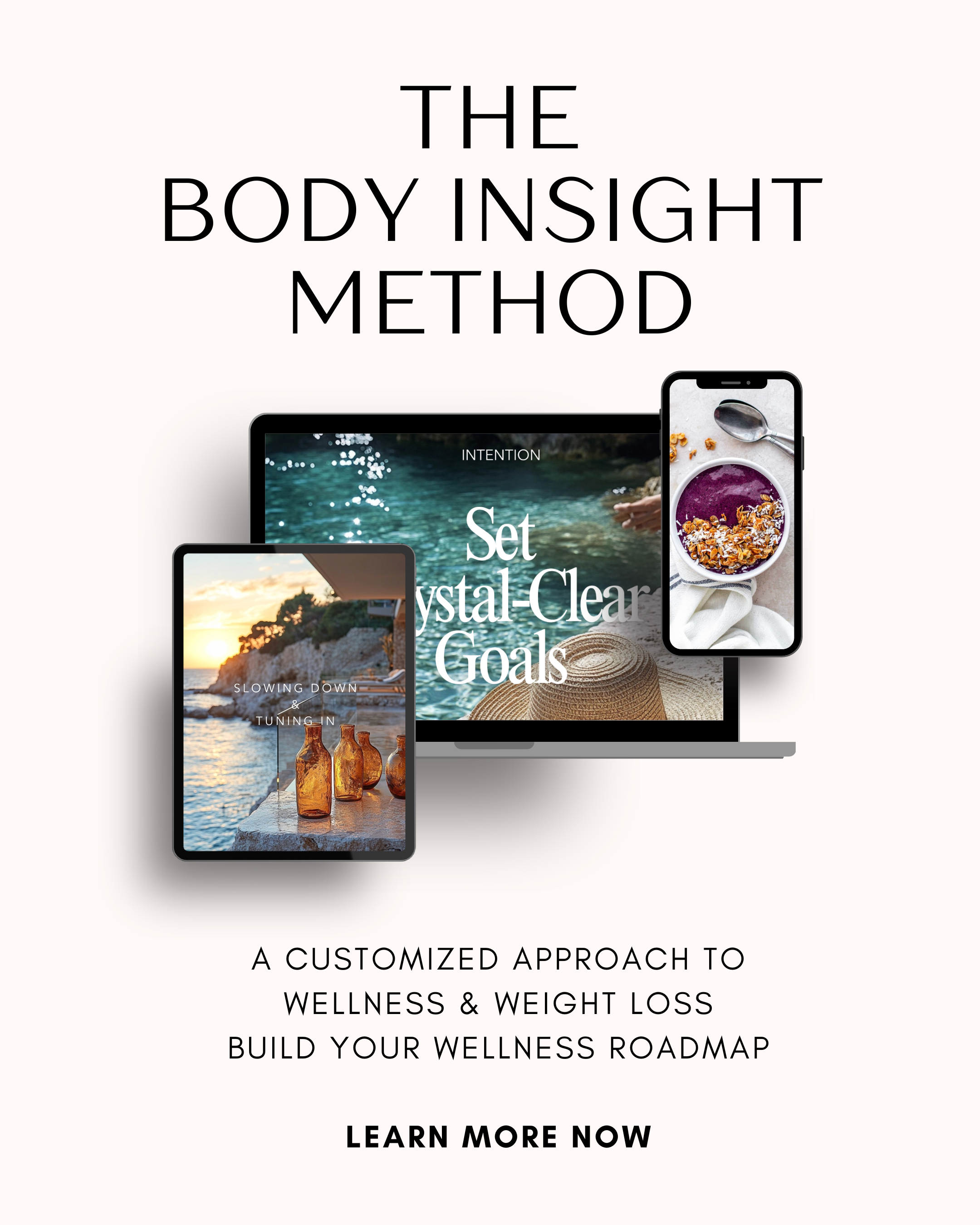
The Body Insight Method: Say Hello To Customized Wellness & Weight Loss
Real, lasting health isn't about following more rules or restrictions—it's about creating balanced wellness that's uniquely yours.
Whether you want to boost energy, improve overall health or lose weight — you’ll learn to notice your body's unique signals, understand what they're telling you, and create a personalized approach to wellness that fits your life.
Includes:
3I Framework for Mindset & Goal Setting: Support Mindset, Identity & Goal Setting for Real, Lasting Change
Biofeedback & The 4P’s: Customize for Your Body & Your Lifestyle
The Health First Approach to Metabolism: What Metabolism Actually Is, How To Support Your Goals + A Balanced Approach to Energy In vs Energy Out
Mindful & Intuitive Eating: Tools & Strategies To Listen To Your Body & Your Needs
The AIM Method: Weekly Awareness & Integration
12 Week Guided Action Plan/Build Your Wellness Roadmap
5 learning modules with practical lessons, tools, and resources.
Recipes & Meal Plans: 650+ Recipes & Meal Plans from Mediterranean, High-Protein, Plant-Based, and GLP-1-friendly recipes & meal plans.
Tools & Resources - Habit trackers, reflection exercises, and implementation guides.
Learn More Now: The Body Insight Method