
How to Preserve Family Recipes and Create a Lasting Culinary Tradition
/
By Jennifer McGregor
For busy parents juggling work and wellness, the hardest part of cooking at home often isn’t motivation, it’s the mess of it all: handwritten recipes in different drawers, half-remembered steps, and home cooking traditions that only “work” when a certain aunt is in the kitchen.
That’s where family recipe preservation stops being sentimental and starts being practical, because a scattered family culinary heritage can’t support healthy meal planning on a random Tuesday.
When those recipes are saved in a way that’s clear and usable, they become a reliable routine with real meaning. Keeping family favorites alive should feel doable.
Turn Old Recipe Notes Into a Usable Digital System
This process helps you take scattered, handwritten favorites and turn them into clear, cookable recipes you can actually use on a weeknight. You’ll end up with a simple digital setup that supports healthier, repeatable meals without relying on memory.
Gather every recipe into one “inbox”
Start by using the idea to collect recipes from drawers, cookbooks, screenshots, texts, and random notes into one pile or folder. This single step stops the constant re-losing of things and makes the rest of the work feel finite. If it’s not in the inbox, it doesn’t exist yet.Scan or photograph for legibility first
Choose a well-lit spot and place the recipe where it lies flat and the writing is easy to read. Scan when you can, but a clear phone photo works just fine for most cards and notebook pages. The goal is a readable “master copy,” not perfect aesthetics.Take one “cookable” photo for each finished dish
On the next night you make that recipe, snap a quick photo in natural light and include something for scale, like a fork or your hand holding the bowl. Keep it honest and simple, since you’re using it as a visual reminder for portions and doneness. This tiny habit makes meal prep faster because you recognize what “right” looks like.Convert, name, and file so you can find it fast
Type the recipe into a note, recipe app, or document, then name it the way you search, like “Chicken Soup, Weeknight” or “Grandma’s Beans, Slow Cooker.” Add a short line at the top with your real-life tweaks, like “halve salt” or “add a side salad.” Consistent naming plus a few tags turns family cookbook ideas into meals you can repeat without guessing.Build a small rotation you’ll actually cook
Pick 10 recipes you want in regular circulation and rewrite only what’s unclear: oven temp, timing, and serving size. Add one nutrition-friendly default per recipe, like “double the vegetables,” “use brown rice,” or “serve with fruit.” When you can cook the same meals smoothly, the tradition becomes part of your routine instead of a special occasion.
Design a Cozy Digital Cookbook With Custom Recipe Art
Once your recipes are neatly saved and shareable, you can make the collection feel like yours with visuals that match the memories. AI-generated images can add warmth to a digital family recipe archive by creating custom illustrations of the dishes everyone talks about, Grandma’s cinnamon rolls, your uncle’s chili, that birthday cake you only make once a year.
With a text-to-image tool like an AI image creator, you start with a written description and let it generate artwork you can use for a cover, section dividers, or recipe “cards.” If the first result doesn’t feel right, you can refine it by tweaking the style, lighting, color, mood, and composition, and even using reference images to nudge it closer to the way your family remembers it. Then, with the visuals in place, it’s easier to bring the whole thing off the screen and into your week-to-week cooking routine.
Weekly Habits That Keep Recipes Alive
Little routines beat big projects here. When you cook, record, and share in small doses, your family recipes stay usable, not just saved, and the tradition keeps growing without feeling like homework.
Sunday Recipe Pick
What it is: Choose one family dish to cook and lightly test this week.
How often: Weekly.
Why it helps: Repetition exposes missing steps while the memory is still fresh.
Two-Minute Notes After Dinner
What it is: Jot what changed, what worked, and timing right after eating.
How often: Every time you cook a legacy dish.
Why it helps: You capture the tiny details no recipe card ever held.
Kid Helper Job
What it is: Give kids one task like washing herbs, stirring, or setting timers.
How often: Weekly.
Why it helps: The cooking attitudes they build can support healthier habits long-term.
Family Table Check-In
What it is: Schedule one meal where everyone eats together, no multitasking.
How often: Weekly.
Why it helps: Family dinners three to four times is a realistic target many families already hit.
Low-Pressure Recipe Swap
What it is: Ask one relative for one tip, story, or variation, not the “perfect” recipe.
How often: Monthly.
Why it helps: It invites sharing without overwhelm and keeps elders involved.
Family Recipe Preservation Questions, Answered
Q: What if the recipe has “some flour” and no measurements?
A: Treat it like a living recipe, not a test. Cook it once, measure as you go with teaspoons or a kitchen scale, and write down what you did. If you are unsure, record a range like “2 to 3 cups” plus a visual cue such as “dough feels tacky, not wet.”
Q: How do I organize recipes that are scattered across texts, cards, and emails?
A: Pick one home base, then funnel everything into it for 30 days. A simple folder system works: “To Test,” “Keep,” and “Family Favorites,” whether that is a binder or a cloud drive. Snap photos of old cards and name files with a consistent pattern like “Dish Name, Relative, Year.”
Q: Should I use a recipe app if I am not techy?
A: Yes, if it saves you friction. Many people lean on apps now, and the USD 440 million in 2025 size of the recipe app market reflects how normal this has become. Start with one feature only, like scanning a card or adding tags for “weeknight” and “holiday.”
Q: How can I keep picky eaters from derailing a family dish tradition?
A: Preserve the original recipe, then document approved variations right under it. Offer one safe side, and let kids choose a small “custom add-on” like extra sauce or no onions. Over time, those notes become part of your family’s real version.
Q: Can I share recipes without losing control of the “official” version?
A: Absolutely. Create one master copy you own, then share view-only links or a read-only PDF to relatives. If someone suggests changes, add them as a dated note instead of overwriting the original.
Start Your Family Recipe Legacy With One Shared Dish
It’s so easy for the best dishes in a family to live in someone’s head, scribbled on a stained card, until one day they’re just… gone.
The fix isn’t perfection, it’s a simple mindset of steady recipe preservation motivation: capture what you can, keep it together, and pass it along. Do that, and your family recipe legacy turns into healthy heritage meals, more community cooking, and the kind of cooking as family bonding that sneaks in while the pot simmers.
Preserve one recipe now, and you preserve the people who made it matter.
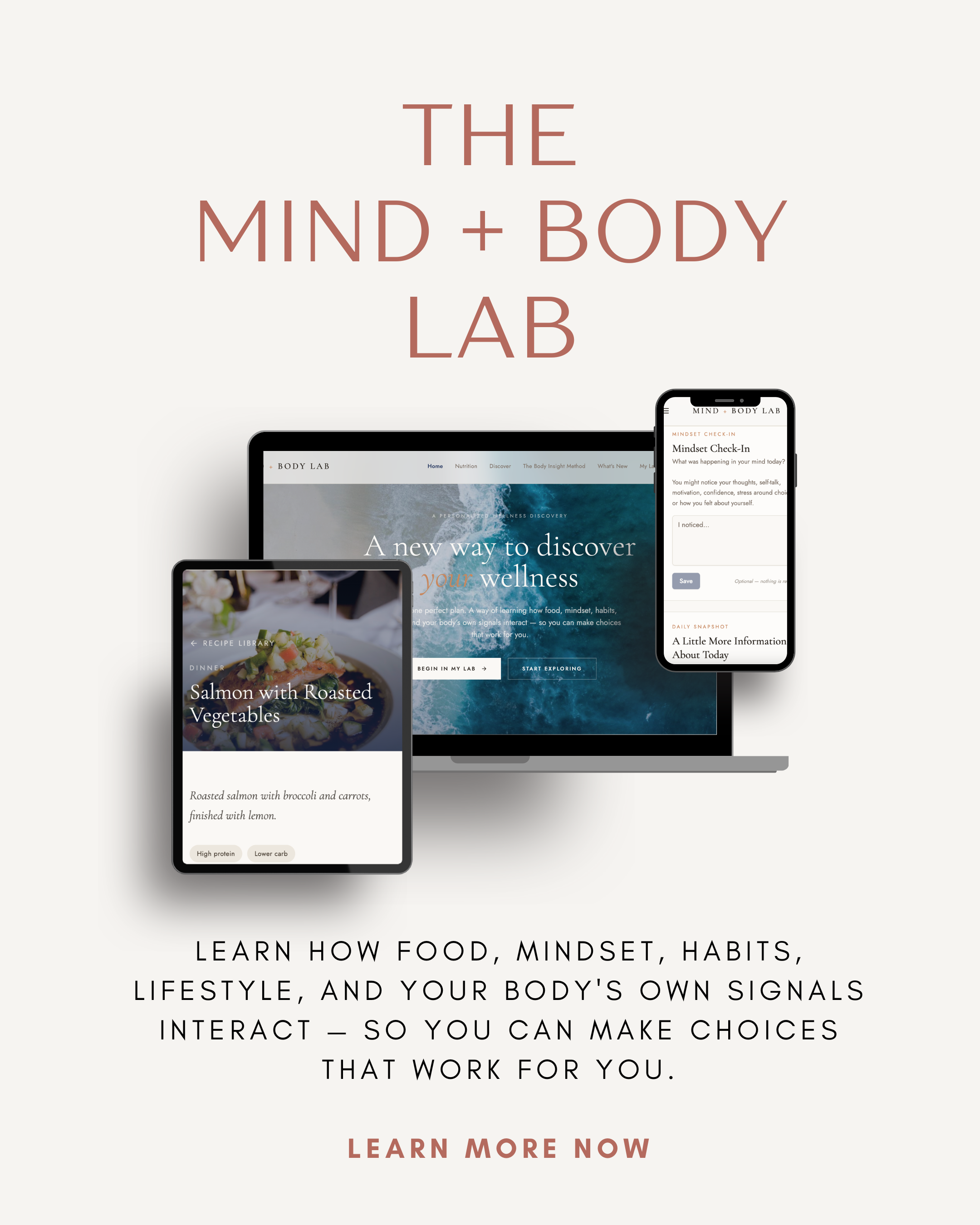
THE MIND + BODY LAB - SAY HELLO TO A NEW WAY TO APPROACH YOUR WELLNESS
A way of learning how food, mindset, habits, lifestyle, and your body's own signals interact — so you can make choices that work for you.
Includes:
Nutrition Pathways (Mediterranean, High Protein, GLP-1 & More - recipes, meal plans & action steps)
Discovery - tools & educations to learn and experiment with. Enjoy topics from mindset (identity, self-talk, limiting beliefs, perfectionism), self-care, habits and motivation to nutrition and eating behaviors.
The Body Insight Method - Learn how to tune into your body & lifestyle to create a wellness plan that works for you.
What’s New (interactive) - A space for our coaches to post weekly topics, reflective thoughts, monthly challenges and more. This is also a place for interaction. You can comment and ask questions to learn more!
My Lab (intuitive + interactive) - Your personal space to practice what you’re learning. Check in, reflect and notice what you’re learning and what’s working (or what isn’t). Let the lab provide helpful tips and pattern recognition to support your wellness & mindset goals.
Get The Mind + Body Lab Today!