



6 Simple Ways to Boost Your Mood Through Movement
/
Movement is about so much more than physical fitness. While we often think about exercise in terms of building strength, improving endurance, or supporting our overall health, the way we move can also influence how we feel mentally and emotionally. At our wellness retreat, we like to incorporate movement in various ways to showcase how movement can be a benefit beyond the typical workout.
Our physical and mental well-being are interconnected, and each can help support the other. When we move our bodies, we create opportunities to release tension, shift our focus, boost our energy, and take a break from the demands of everyday life. At the same time, when we're feeling more energized, focused, or mentally refreshed, it can be easier to make choices that support our physical health.
The good news is that you don't need to spend hours in the gym or follow a strict exercise routine to experience these benefits. Sometimes, it's simply about finding small ways to incorporate movement into your day and being more intentional about how you use that time.
Think of it as a form of healthy multitasking. You can combine movement with other practices that support your well-being, such as mindfulness, gratitude, stress management, or simply stepping away from your daily responsibilities for a few minutes. These small combinations can help you get more out of the habits you're already building.
Here are six simple ways to use movement as a tool to support your mood, mindset, and overall wellness.
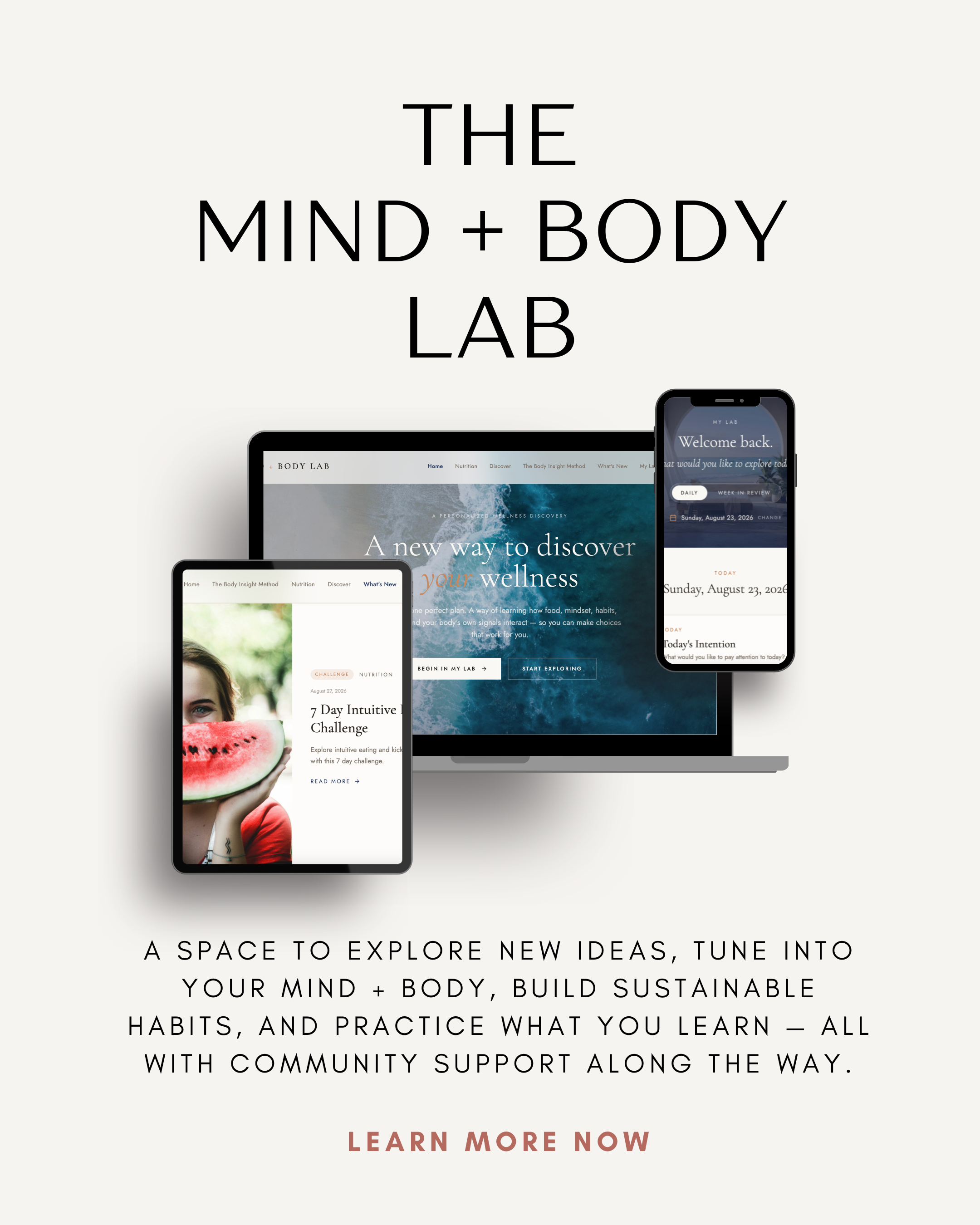
→ Wellness is more than what you learn — it's what you do with it. Join The Mind + Body Lab to explore new ideas, connect with others, and start taking action.
1. Start Your Day with Movement
How you begin your morning can influence how you feel as you move through the rest of your day. Instead of immediately reaching for your phone or jumping straight into your to-do list, consider taking five to ten minutes to move your body and give yourself a little space to wake up.
You might try a few gentle stretches, a short yoga flow, or a walk outside. The goal isn't to complete an intense workout before your day even begins. It's to give yourself an opportunity to connect with your body, increase circulation, and transition into the day with a little more intention.
You can also use this time to practice mindful breathing. Pay attention to how your body feels, notice where you might be holding tension, and allow yourself to focus on the present moment rather than everything waiting for you later.
Try this: Start with a few rounds of cat-cow stretches to gently mobilize your spine, followed by some comfortable forward folds and a few slow, deep breaths. If the weather allows, finish with a short walk outside and enjoy a little fresh air.
This is a simple example of habit stacking: pairing a new behavior with something you already do. If you normally make coffee first thing in the morning, for example, you could follow it with five minutes of stretching before moving on with your routine. Over time, the combination may help your movement habit feel more natural.
2. Take Movement Breaks Throughout the Day
If you spend much of your day sitting at a desk, working on a computer, or managing tasks that require long periods of concentration, you may not realize how little you move until the day is almost over.
Taking regular movement breaks gives you an opportunity to step away from what you're doing, change your physical position, and reset your attention. Even a couple of minutes can provide a welcome pause, particularly when you've been focused on the same task for an extended period.
Movement breaks don't need to be complicated. Walk around your home or office, stretch your arms overhead, take a few trips up and down the stairs, or try a handful of bodyweight squats. You can even use the time to get a glass of water, giving yourself a reason to move while supporting your hydration habits.
These short breaks can also help you become more aware of how you're feeling. Are your shoulders tense? Is your energy starting to dip? Have you been staring at a screen for hours without taking a breath? Sometimes, a change of activity is exactly what you need to return to your work with a fresh perspective.
Try this: Set a reminder to get up and move periodically throughout your workday. Walk while listening to a voice message, stretch while taking a short break from your computer, or do a few chair squats before your next meeting. Experiment with different options to find what fits your schedule.
Rather than viewing movement as another task you have to squeeze into your day, look for opportunities to make it part of the routine you already have.
3. Walk with Intention
Walking is one of the most accessible ways to incorporate movement into your lifestyle, and it offers an opportunity to support both your physical and mental well-being.
Beyond getting your body moving, a walk can give you a break from your usual surroundings, provide time to process your thoughts, and help you reconnect with the world around you. Walking outdoors can be particularly enjoyable when you take the time to notice the sights, sounds, and sensations you might otherwise overlook.
The key is to be a little more intentional about how you use that time. Instead of automatically reaching for your phone or mentally running through your to-do list, try bringing your attention back to the present moment. Notice the rhythm of your steps, the feeling of your feet connecting with the ground, or the breeze against your skin.
You can also use your walk as an opportunity to practice gratitude. Think about something you're looking forward to, appreciate something that's going well, or simply take a moment to enjoy being outside.
Try this: On your next walk, leave your phone in your pocket and spend five minutes paying attention to your surroundings. Notice the colors of the leaves, the sound of birds, or the warmth of the sun. If your mind wanders, gently bring your attention back to what you're experiencing.
This is another way to combine habits. You're not only getting physical activity; you're also practicing mindfulness and creating a little space for yourself mentally. You can even use a walk to listen to an educational podcast or an audiobook when that feels more beneficial. The important thing is to choose an approach that supports what you need that day.
4. Incorporate Playful Activities
Movement doesn't always have to look like a structured workout. In fact, when every activity feels like something you should do, exercise can start to feel like another obligation on an already busy schedule.
Making movement fun can change that experience. Dancing to your favorite music, playing a sport, swimming, trying a new fitness class, or heading outside for an activity you enjoy can help you associate movement with pleasure rather than pressure.
There's also something valuable about giving yourself permission to play. When we're busy managing work, responsibilities, and the many details of everyday life, we don't always make time for activities that are simply enjoyable. Finding ways to move that make you smile can be a reminder that wellness isn't just about discipline or checking things off a list.
Enjoyment matters because you're more likely to want to return to an activity that fits your preferences and makes you feel good. You don't have to love every form of exercise, and you certainly don't have to follow someone else's routine to experience the benefits of being active.
Try this: Put on a favorite song and dance around your living room for three minutes. Join a friend for a game of pickleball, try a new class, or spend some time swimming or riding a bike. Choose something that sounds fun rather than focusing only on what you think will burn the most calories.
Remember, movement is a part of wellness, not a punishment for what you ate or a task you need to complete to earn a rest. Give yourself permission to enjoy it.
5. Use Posture and Movement to Support Your Mindset
Have you ever noticed how your body responds when you're feeling stressed, overwhelmed, or lacking confidence? You might find yourself hunching your shoulders, holding tension in your neck, or spending more time looking down at your phone or computer.
Our posture and movement can reflect how we're feeling, but paying attention to our bodies can also give us an opportunity to make small adjustments that help us feel more comfortable and present.
For example, standing up, rolling your shoulders back, relaxing your jaw, and taking a few slow breaths can help you become more aware of physical tension. Gentle movement can also serve as a useful transition when you're preparing for a challenging conversation, giving a presentation, or tackling something that feels outside your comfort zone.
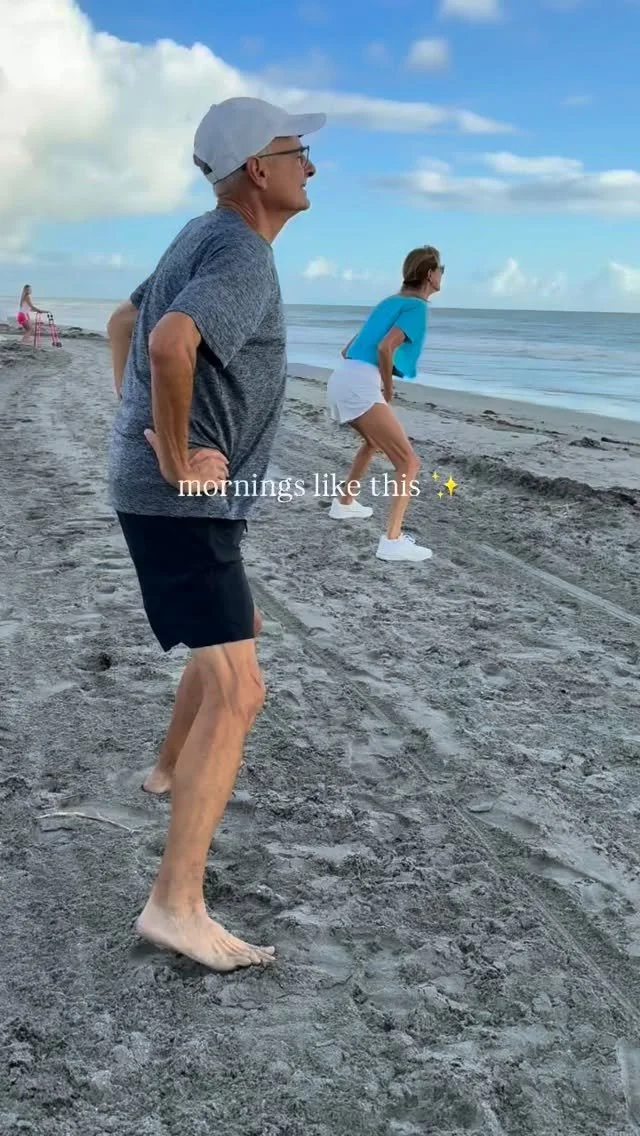
You may have heard of power poses, such as standing tall with your feet grounded and your hands on your hips. Although claims about specific poses producing dramatic psychological or hormonal changes aren't well established, taking a moment to stand comfortably, open up your posture, and breathe can be a useful way to pause and collect yourself.
The goal isn't to force yourself to feel confident simply by changing your posture. It's to recognize that your physical state is one part of your overall experience, and that small actions can help you approach a situation with greater awareness.
Try this: Before a stressful meeting or an important task, stand up, place your feet firmly on the floor, relax your shoulders, and take three slow breaths. Add a gentle stretch or march in place if it feels good. Use those few moments to bring your attention back to yourself and think about how you want to approach what's ahead.
Sometimes, a small physical reset can help you create a little distance from the stress of the moment and move forward with greater intention.
6. Cool Down with Gratitude
We often think of a workout as something that begins when we start exercising and ends when we stop. But the few minutes after movement can also be an opportunity to support your overall well-being.
Instead of immediately rushing to your next task, give yourself a moment to cool down, slow your breathing, and notice how you feel. Maybe your body feels looser, your energy has shifted, or you simply appreciate having taken some time for yourself.
You can build on this experience by adding a short gratitude practice. Reflecting on something you appreciate can help direct your attention toward positive aspects of your day, including the small things that are easy to overlook when you're busy.
This doesn't mean you have to feel amazing after every workout or force yourself to find something positive when you're having a difficult day. It's simply an opportunity to pause and acknowledge what you're experiencing, rather than moving straight on to the next thing.
Try this: After your next walk, workout, or stretching session, take a minute to reflect on three things you're grateful for. You might appreciate having time to move, the opportunity to get outside, or the way you feel after taking a break from your usual routine. You could even write your reflections in a journal or add them to a daily note on your phone.
By pairing movement with gratitude, you're combining two practices that support different aspects of your well-being. Over time, this can help you become more intentional about how you care for yourself, both physically and mentally.
Movement and Wellness: Small Habits That Support Each Other
As you explore these strategies, notice how many of them involve more than just physical activity. A morning stretch can become a mindfulness practice. A walk can provide an opportunity to enjoy nature or listen to something educational. A movement break can help you step away from work, while a post-workout reflection can encourage gratitude and self-awareness.
This is the beauty of habit stacking and healthy multitasking. Rather than trying to squeeze an entirely separate activity into your schedule for every aspect of your well-being, you can look for ways to combine practices that complement one another.
Movement supports wellness, and wellness habits can support our ability to move consistently. When we prioritize sleep, for example, we may have more energy for physical activity. When we find ways to manage stress, we may have an easier time making room for exercise. And when movement becomes an enjoyable part of our routine, it can create opportunities to support our mood, energy, and overall quality of life.
These connections work together. We don't have to treat physical health, mental well-being, and everyday habits as separate goals that compete for our time. Instead, we can look at how they influence one another and find practical ways to support several aspects of our well-being at once.
Start Small and Find What Works for You
You don't need to put all six strategies into practice at once. In fact, trying to change everything at the same time can make it harder to figure out what you enjoy, what fits your routine, and what you're most likely to maintain.
Instead, choose one tool that feels approachable and experiment with it. Maybe you'll start taking a short walk after lunch, add a few minutes of stretching to your morning, or pair your next workout with a brief gratitude practice.
Give yourself time to see how it fits into your lifestyle. Pay attention to what you notice, what feels helpful, and what might need adjusting. If a particular strategy doesn't work for you, try another. The goal isn't to follow a perfect routine; it's to find practical ways to support your well-being that make sense for your life.
This is also an important part of creating lasting habits. When you experiment with one change at a time, you have more opportunities to learn from your own experience instead of simply following a list of things you think you should do.
At Vita Vie, we believe wellness is about more than checking off a list of healthy behaviors. It's about understanding yourself, discovering what works for you, and finding ways to put that knowledge into practice.
Start with one small action today. See how it feels, notice what you learn, and build from there. You may find that the simplest changes become some of the most valuable tools in your everyday wellness routine.
→ Ready to learn and practice real, sustainable habits to feel and function your best? Explore The Mind + Body Lab.
Read More Articles
THE MIND + BODY LAB
Your mindset shapes your choices. Your body gives you feedback. The Mind + Body Lab brings these connections together through guided learning, real interaction, and tools to help you understand yourself, put what you learn into practice, and discover what works for you.
Inside the Lab:
Community & Practice — Connect with Margot and our team of coaches through weekly conversations, educational topics, wellness challenges, reflections, book clubs, and shared experiences. Ask questions, share what you're discovering, and put new ideas into practice alongside others.
My Lab: Understanding Yourself — Your personal space to record daily habits, tune into your body's signals, reflect on your experiences, and recognize patterns over time. Receive Daily + Weekly Insights based on the information you enter to help you learn from your own experience.
Guided Pathways & Tracks — Structured learning experiences with guided activities and practical action steps to help you explore topics like nutrition, mindset, habits, and body awareness.
Food & Recipes — Hundreds of healthy recipes, meal plans, meal prep tips, and practical nutrition resources, with options ranging from Mediterranean and high-protein + low-carb to vegetarian, GLP-1, anti-inflammatory, and more.
Discover — Explore educational topics covering mindset, identity, self-talk, limiting beliefs, perfectionism, self-care, motivation, eating behaviors, and more.
Because learning is just the beginning. The real magic happens when we put what we learn into practice — consistently.
Explore The Mind + Body Lab today!