



How To Get Enough Protein (Without Overcomplicating It)
/
Protein is having a moment right now—and for good reason.
Whether you're trying to lose weight, build muscle, maintain muscle as you age, improve recovery from workouts, support healthy aging, or you're currently taking a GLP-1 medication, chances are you've heard the same advice:
"Eat more protein."
The challenge is that most people stop there.
Knowing protein is important and actually getting enough protein are two very different things.
As a coach, I often find that people aren't lacking information. They're lacking a practical system.
So let's simplify it.
Let’s Cover Why Protein Is So Important
Protein is important for your body beyond weight loss and muscle mass. Here are a few reasons why it’s a key macronutrient:
Supports the growth and repair of muscles, skin, bones, hair, and nails
Helps produce enzymes that aid digestion and energy production
Plays a role in hormone production and regulation
Supports immune function and overall health
Helps transport oxygen and nutrients throughout the body
Supports muscle maintenance and recovery
May help promote satiety, keeping you fuller for longer
Can support blood sugar balance and steady energy levels
Plays an important role in healthy aging, body composition, and weight management
How Much Protein Do I need?
Honestly, that depends. Here are some general recommendations for daily protein intake. That being said, there is room for flexibility and adaptability. You should also be following any recommendations from your healthcare provider in conjunction with any health or nutrition needs for your specific scenario.
1. General Health & Sedentary Lifestyles
Recommendation: 0.8 - 1.0g per kg of body weight
Details: This is the baseline Recommended Dietary Allowance (RDA) to prevent deficiency in non-exercising adults.
2. Muscle Growth & Strength Training
Recommendation: 1.6 - 2.0g per kg of body weight
Details: To build muscle effectively, this range maximizes Muscle Protein Synthesis (MPS). For a 150 lb (68 kg) person, this translates to 109 - 136g daily.
3. Weight Loss & Fat Burning
Recommendation: 1.8 - 2.3g per kg of body weight
Details: Higher protein intake helps preserve lean muscle mass while you are in a caloric deficit, ensuring weight lost is primarily fat.
4. Endurance Athletes
Recommendation: 1.2 - 1.4g per kg of body weight
Details: Distance runners, cyclists, and swimmers need extra protein to aid in recovery and repair muscle tissue damage from continuous aerobic activity.
These are guidelines. Guidelines are meant to be flexible and should be modified for YOU. More on that as we dive deeper into how to get enough protein below. ↓
Step 1: Find Out How Much Protein You're Currently Eating
Before you start changing anything, build awareness.
You don't need to track forever, but spending a few days logging your meals can be incredibly helpful.
Use an app like MyFitnessPal or Cronometer and simply observe:
How much protein am I eating each day?
Which meals contain the most protein?
Which meals are lacking protein?
Am I consistently hitting my goals?
Many people are surprised to discover they're eating far less protein than they thought.
Awareness creates opportunity.
Step 2: Determine Your Protein Goal
There isn't one perfect protein target for everyone.
Your ideal intake depends on factors like:
Age
Activity level
Body composition goals
Overall health
Whether you're trying to lose weight, maintain weight, or build muscle
Use the general guidelines above as a starting point rather than a rigid rule.
Remember: consistency matters far more than perfection.
Step 3: Focus on One Meal First
This is where most people make things harder than they need to be.
They decide to overhaul breakfast, lunch, dinner, and snacks all at once.
Instead, start with one meal (yes - ONE meal).
Breakfast is often the easiest place to begin because it's traditionally lower in protein for many people.
For example:
Current breakfast: Bagel and coffee
Higher-protein breakfast: Greek yogurt bowl with berries and nuts
Current breakfast: Two eggs + a banana
Higher-protein breakfast: Three eggs plus cottage cheese, w/a small orange
Current breakfast: Oatmeal
Higher-protein breakfast: Oatmeal with protein powder stirred in
Practice that one habit consistently for 1-2 weeks before adding another.
Step 4: Build Protein Into Every Meal
A simple question I encourage clients to ask themselves is:
"Where's my protein?"
Before every meal, identify the protein source.
Examples:
Breakfast:
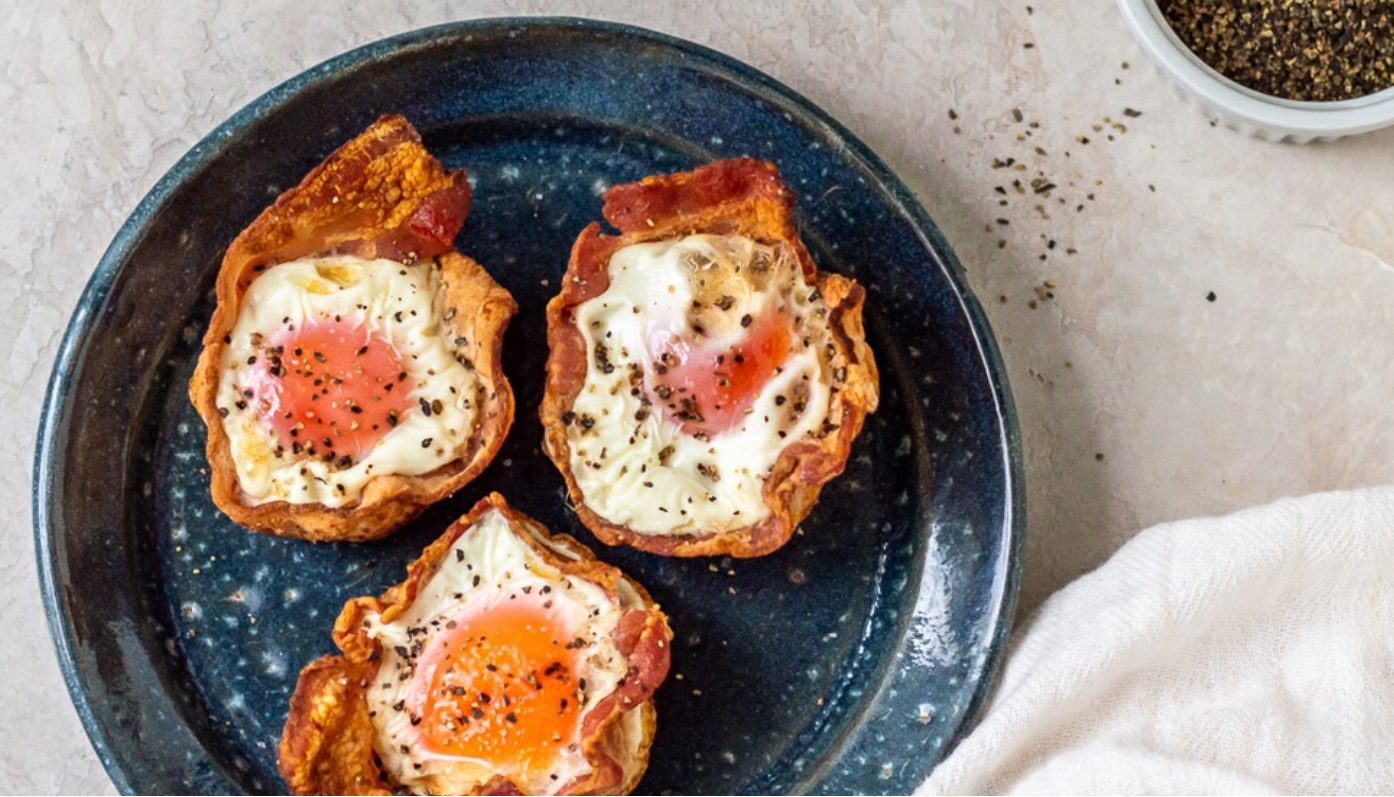
Eggs
Greek yogurt
Cottage cheese
Protein smoothie
Lunch:
Chicken
Turkey
Tuna
Tofu
Lentils
Dinner:
Fish
Lean beef
Chicken
Tempeh
Beans
Snack:
Protein shake
String cheese
Greek yogurt
Edamame
Cottage cheese
When protein becomes the anchor of the meal, everything else tends to fall into place more easily.
Step 5: Pay Attention to How You Feel
Protein isn't just about hitting a number.
Notice what changes when you increase your intake.
You may find:
You're fuller longer
You snack less often
Your energy feels more stable
Your blood sugar feels more balanced
Your workouts improve
Recovery feels easier
Cravings decrease
Your body provides valuable feedback.
Use that information to determine what works best for you.
Easy Ways to Add 10-20 Grams of Protein
One of the biggest misconceptions about protein is that you need to completely change your diet.
Often, small additions make a significant difference.
Add 10-15 Grams
2 hard-boiled eggs = 12 grams
String cheese + turkey slices = 10-12 grams
½ cup cottage cheese = 12-14 grams
¾ cup Greek yogurt = 15-18 grams
½ cup edamame = 9-10 grams
Add 20-30 Grams
Protein shake = 20-30 grams
4 ounces grilled chicken = 25-30 grams
1 can tuna = 20-25 grams
5 ounces salmon = 25-30 grams
1 cup cottage cheese = 25-28 grams
My Coaching Take on Protein
If you're trying to get more protein, don't start by changing everything.
Start by building awareness.
Track your intake for a few days.
Choose one meal.
Make one small improvement.
Practice it consistently I highlighted this for a reason - this is the part where people give up - it’s so important to practice consistently over time to see real results!
Then build from there.
Healthy habits don't have to happen overnight.
The people who are most successful aren't usually the people who make the biggest changes. They're the people who make manageable changes and stick with them long enough for those changes to become part of their lifestyle.
Protein is important—but like every other nutrition habit, it works best when it's realistic, sustainable, and personalized to your needs.
More To Explore With Protein
The Body Insight Method: Say Hello To Customized Wellness & Weight Loss
Real, lasting health isn't about following more rules or restrictions—it's about creating balanced wellness that's uniquely yours.
Whether you want to boost energy, improve overall health or lose weight — you’ll learn to notice your body's unique signals, understand what they're telling you, and create a personalized approach to wellness that fits your life.
Includes:
3I Framework for Mindset & Goal Setting: Support Mindset, Identity & Goal Setting for Real, Lasting Change
Biofeedback & The 4P’s: Customize for Your Body & Your Lifestyle
The Health First Approach to Metabolism: What Metabolism Actually Is, How To Support Your Goals + A Balanced Approach to Energy In vs Energy Out
Mindful & Intuitive Eating: Tools & Strategies To Listen To Your Body & Your Needs
The AIM Method: Weekly Awareness & Integration
12 Week Guided Action Plan/Build Your Wellness Roadmap
5 learning modules with practical lessons, tools, and resources.
Recipes & Meal Plans: 650+ Recipes & Meal Plans from Mediterranean, High-Protein, Plant-Based, and GLP-1-friendly recipes & meal plans.
Tools & Resources - Habit trackers, reflection exercises, and implementation guides.
Learn More Now: The Body Insight Method