




Boost Your Metabolism with These High-Protein Weight Loss Tips
/
As the new year approaches, many of our fitness retreat guests and health coaching clients are looking to hit the reset button on health and wellness goals. If weight loss is at the top of your list, you're not alone! One of the most effective strategies to help achieve sustainable weight loss is boosting your metabolism, and a high-protein diet is one of the best ways to do this.
Protein plays a critical role in fat burning, muscle building, and overall metabolic health. Let’s explore how you can harness the power of protein to help you reach your weight loss goals in the new year.
Why Protein Is Essential for Weight Loss
Protein is often called the building block of muscle, but its benefits go far beyond that. When it comes to metabolism, protein has a unique ability to support fat loss while preserving lean muscle mass. Here’s why:
Increases Thermogenesis: Eating protein increases your body’s thermic effect of food (TEF), which is the energy expended to digest, absorb, and process nutrients. Protein has a higher thermic effect than carbs and fats, meaning your body burns more calories processing it.
Preserves Lean Muscle: During weight loss, you don’t just want to lose fat — you also want to preserve lean muscle mass. High-protein diets help prevent muscle loss by providing the necessary building blocks for muscle repair and growth. This is key for keeping your metabolism high because muscle tissue burns more calories at rest than fat tissue.
Promotes Satiety: Protein helps keep you fuller for longer, reducing the chances of overeating or snacking on unhealthy foods. This leads to fewer calorie-dense food cravings and better portion control. Additionally, protein can help stabilize blood sugar levels, which contributes to more consistent energy throughout the day, preventing those midday slumps that can trigger unhealthy snacking.
Boosts Fat Burning: The thermic effect of food is just one way protein supports fat burning. Protein helps regulate hormones involved in hunger and metabolism, including insulin and glucagon. By balancing these hormones, protein can aid in fat breakdown and improve fat-burning efficiency.
Actionable Tips to Boost Your Metabolism with Protein
To make the most of a high-protein diet for weight loss, try these metabolism-boosting tips:
1. Incorporate Protein in Every Meal and Snack
Aim to include a source of protein in every meal and snack to keep your metabolism firing throughout the day. Protein is essential for sustained energy and for keeping your hunger levels in check. This could mean adding lean meats, eggs, dairy, legumes, or plant-based protein sources like tofu and tempeh to your meals. For snacks, try Greek yogurt, protein bars, or a handful of nuts to keep you feeling full between meals.
2. Time Your Protein Intake Around Workouts
If you're aiming to build muscle or burn fat, the timing of your protein intake matters. Eating protein before or after a workout helps with muscle repair and growth. Consuming protein shortly after exercising (within 30-60 minutes) ensures your muscles get the nutrients they need to recover, which helps increase lean muscle mass and further boosts metabolism. Pre-workout protein can also provide an energy boost and improve workout performance, while post-workout protein aids in recovery and reduces muscle soreness.
3. Pair Protein with Other Key Nutrients
Protein works best when combined with other essential nutrients like healthy fats and fiber. For example, pairing protein with healthy fats (like avocado or nuts) and fiber (from vegetables or whole grains) not only helps regulate blood sugar levels but also maximizes satiety and energy. This combination keeps you feeling satisfied longer and can help reduce unhealthy cravings. By adding a variety of nutrient-dense foods to each meal, you’re ensuring that your body gets the full range of vitamins and minerals it needs for optimal function.
4. Focus on Lean Protein Sources
Choose lean protein options such as chicken breast, fish, turkey, eggs, or plant-based protein to avoid adding excess fat or calories. These choices provide high-quality protein that supports muscle maintenance without tipping the scale in the wrong direction. Additionally, lean proteins are typically easier to digest and can be incorporated into a wide variety of meal plans. By rotating through different sources of protein (like legumes, quinoa, and fish), you ensure you're not just getting a boost in protein but also benefiting from the variety of nutrients each source provides.
5. Stay Consistent with Your Protein Intake
Consistency is key when it comes to a high-protein diet. For sustained weight loss, it’s important to maintain a consistent protein intake throughout the day, rather than sporadically consuming large amounts in one meal. Spreading protein evenly across meals ensures a steady supply of amino acids to support muscle repair and keeps your metabolism active.
More To Explore: Next Steps
Dive in for more learning & tips! Here are a few resources to keep the momentum going:
📌 Related Posts
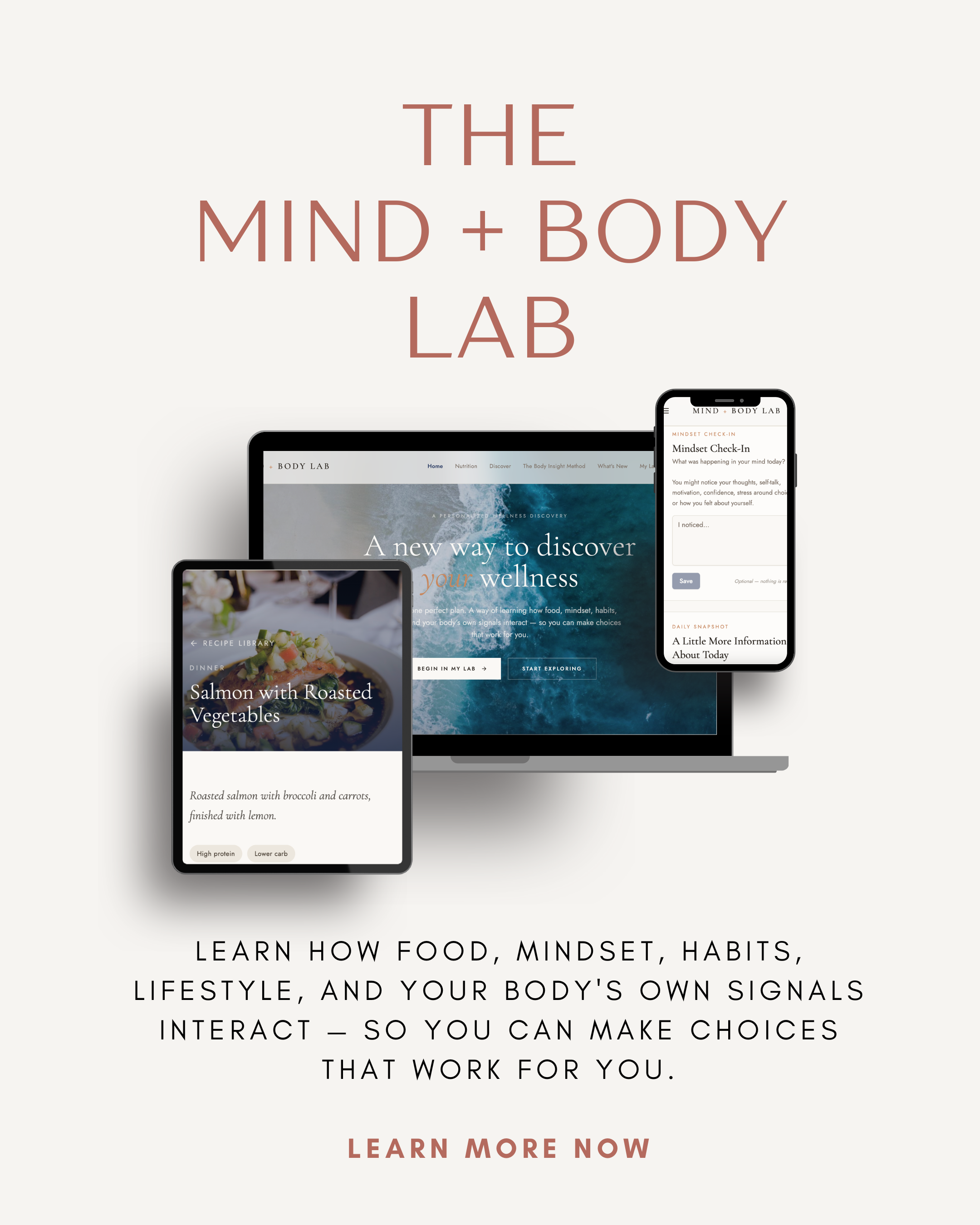
THE MIND + BODY LAB - SAY HELLO TO A NEW WAY TO APPROACH YOUR WELLNESS
A way of learning how food, mindset, habits, lifestyle, and your body's own signals interact — so you can make choices that work for you.
Includes:
Nutrition Pathways (Mediterranean, High Protein, GLP-1 & More - recipes, meal plans & action steps)
Discovery - tools & educations to learn and experiment with. Enjoy topics from mindset (identity, self-talk, limiting beliefs, perfectionism), self-care, habits and motivation to nutrition and eating behaviors.
The Body Insight Method - Learn how to tune into your body & lifestyle to create a wellness plan that works for you.
What’s New (interactive) - A space for our coaches to post weekly topics, reflective thoughts, monthly challenges and more. This is also a place for interaction. You can comment and ask questions to learn more!
My Lab (intuitive + interactive) - Your personal space to practice what you’re learning. Check in, reflect and notice what you’re learning and what’s working (or what isn’t). Let the lab provide helpful tips and pattern recognition to support your wellness & mindset goals.
Get The Mind + Body Lab Today!