


Intermittent Fasting 101
/
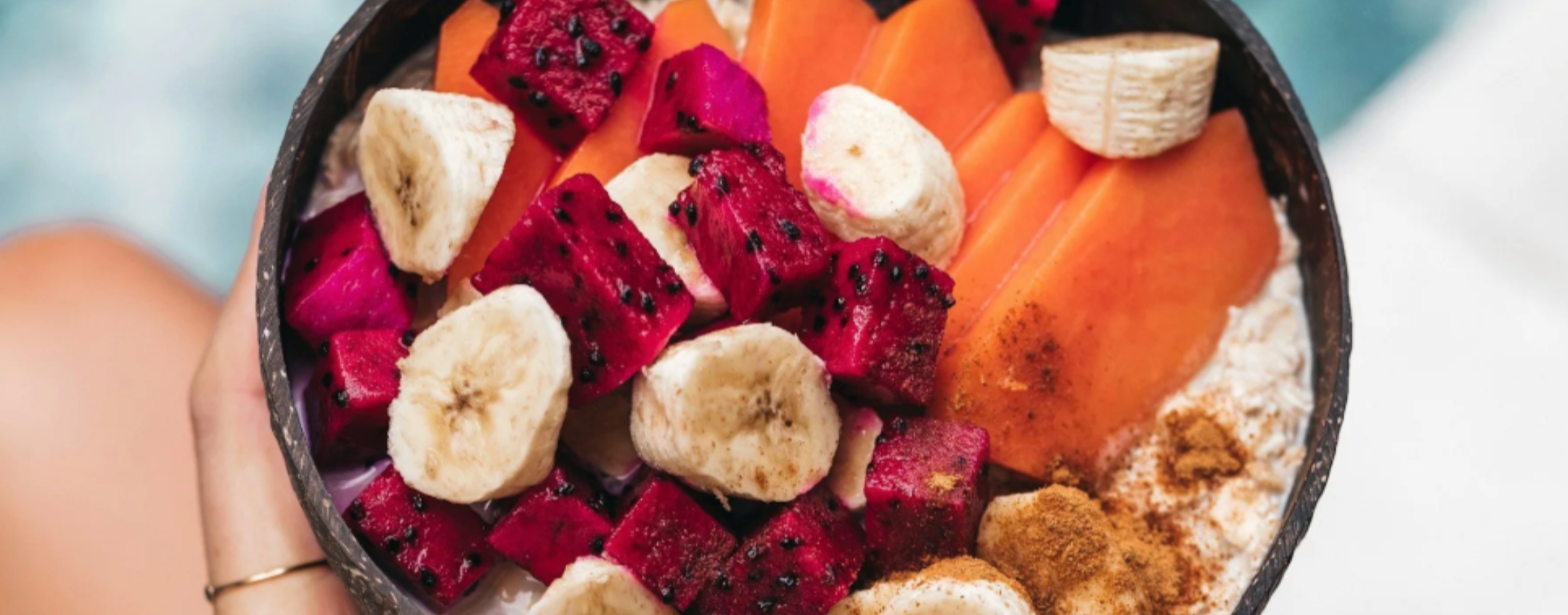
If you’re here, you’re curious about intermittent fasting. It can be a really effective tool for a number of reasons from weight loss to blood sugar management.
Intermittent fasting has become one of the most popular nutrition strategies with many people diving in to at least give it a try. It’s simple, flexible, and can be adapted to almost any lifestyle. At its core, intermittent fasting is about shortening your eating window so your body has more time to rest, repair, and reset. In this guide, we’ll break down what intermittent fasting is, the benefits, how to try different approaches, and what to watch out for if you’re just getting started.
Read More
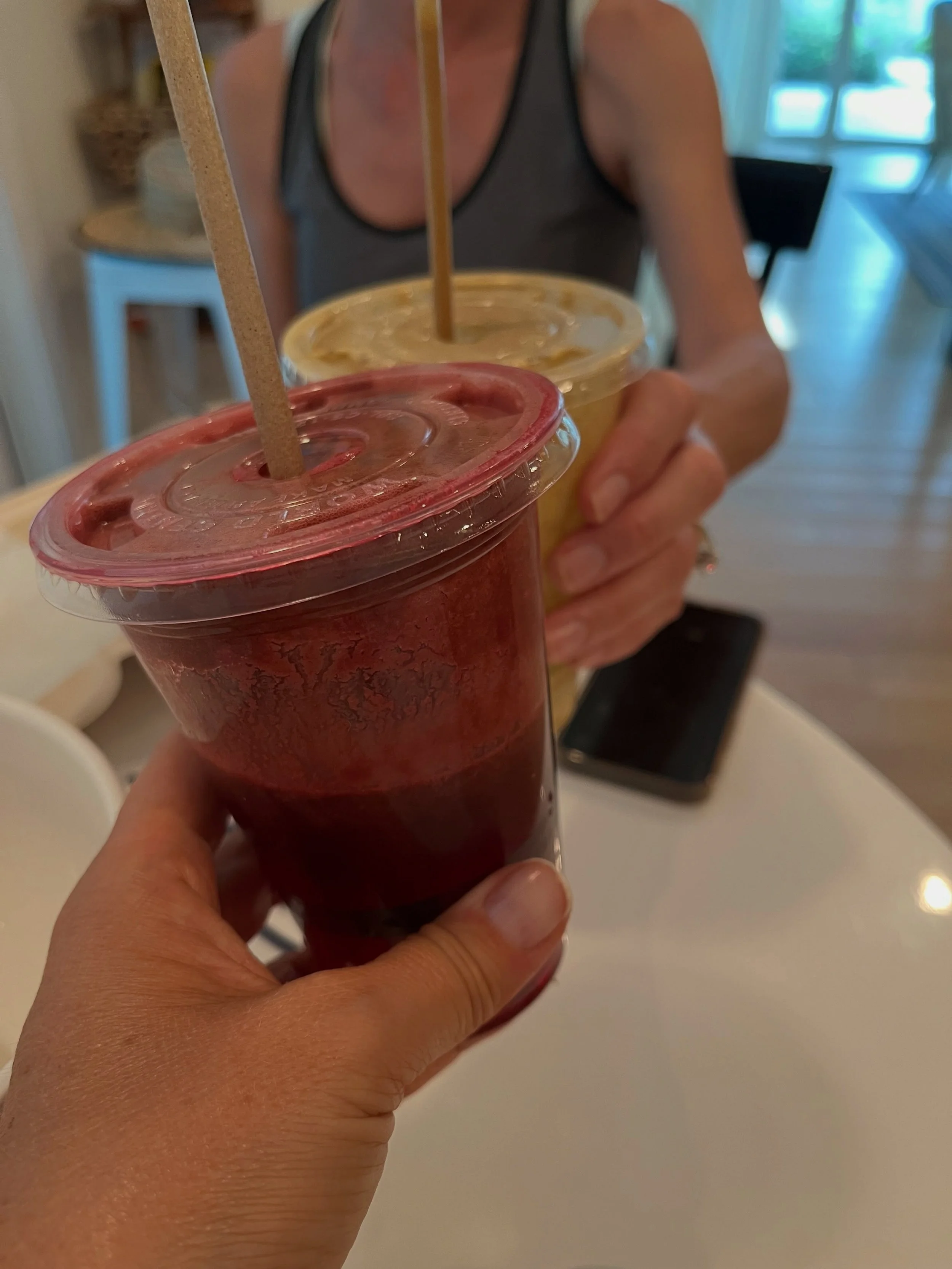




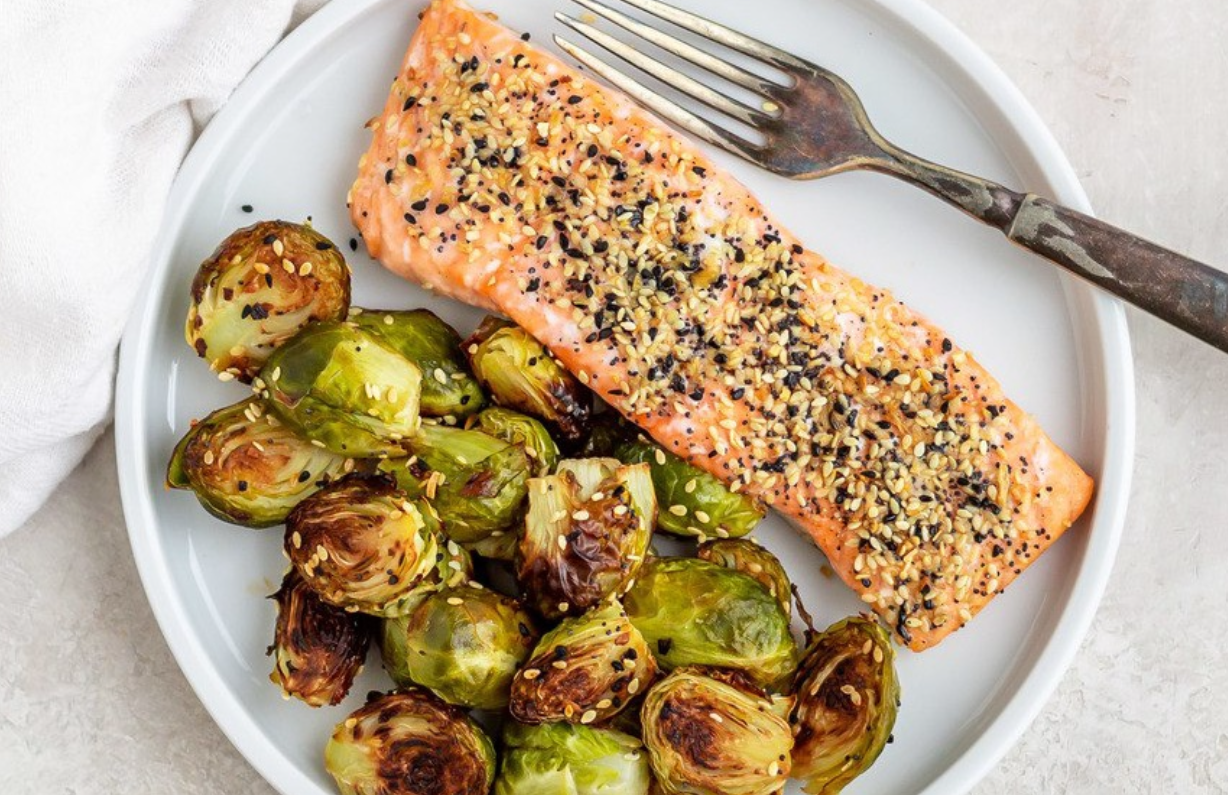
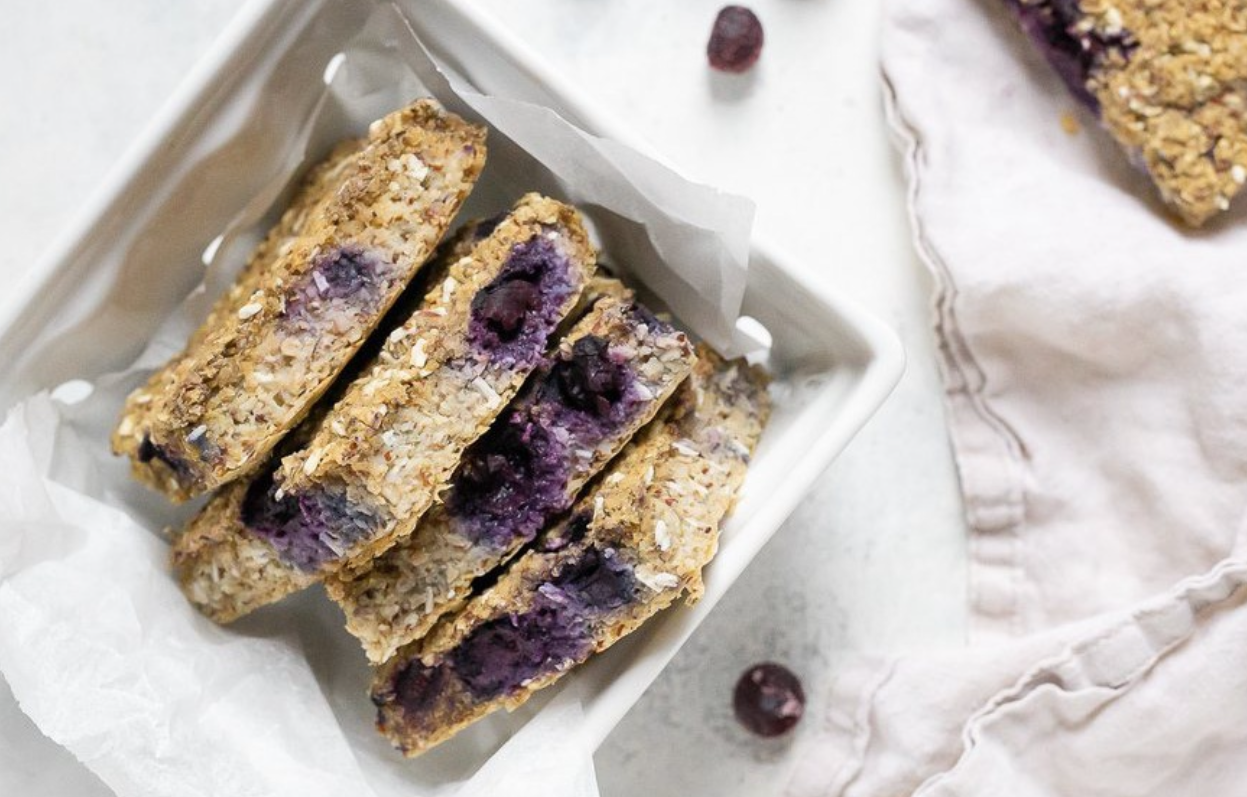





I love the idea of slow living. It just feels good when I think about it. And I would say that most people who attend our wellness retreats come to escape the grind of everyday life and indulge in a little bit of slow living. And as we continue diving into fall, we start to get into the season of hustle and bustle so retaining that balance is essential.
There’s something about the change of seasons that invites us to pause. I don’t know about you but I feel a different energy in the air anytime there’s a season change. As summer fades and fall begins, it can be a natural opportunity to slow down, tune in, and reconnect with what matters most.
But slow living doesn’t necessarily mean doing everything slowly. It doesn’t mean stepping away from your responsibilities, becoming less productive, or suddenly having hours of free time every day.
Slow living is more about how you experience your life than how fast you move through it.