



How Women Can Rebuild Confidence and Thrive After Divorce
/
Author: Jennifer McGregor
For women after divorce who are trying to hold it together for kids, work, and family, the hardest part is often the quiet identity shift that no one prepares them for. The emotional challenges of divorce can look like grief, anger, relief, and numbness all at once, while confidence slips because familiar roles and routines are gone.
Psychological recovery starts by naming what the breakup shook, self-trust, belonging, safety, or purpose, without judging those feelings. Reinventing identity post-divorce isn’t a performance; it’s a divorce empowerment journey that turns loss into a clear starting point.
Use Art to Process Feelings and Rediscover Who You Are
Making art after divorce can be a surprisingly powerful way to process what you’ve been through, without needing to “explain it right.” As you translate anger, grief, relief, hope, or confusion into shapes, symbols, and scenes, you’re not just releasing feelings; you’re also reconnecting with parts of your identity that may have been muted or reshaped by the relationship. Over time, turning personal experiences into images can shift them from something that happened to you into something you’ve made meaning from, a quiet form of healing that supports confidence and a renewed sense of self.
If picking up supplies feels like too much, an AI painting generator can be a low-pressure way to experiment with visual self-expression. With tools to generate drawings with Adobe Firefly, you can type a simple text prompt and see it transformed into a digital artwork that mimics traditional mediums like watercolor or oil painting. You can also tweak the result, adjusting style, color, and lighting effects, until the image feels closer to what you’re trying to express. From there, you can build on that momentum with a few confidence-building moves that support your reinvention in everyday life.
6 Confidence-Building Moves to Start Your Reinvention
Confidence after divorce usually returns the same way it was built in the first place: through small, repeated proofs that you can trust yourself. Pick one move below and practice it for two weeks, long enough for your nervous system and self-image to catch up.
Make one daily micro-promise (and keep it): Choose a promise so small you can do it even on a hard day: “I’ll drink a full glass of water before coffee” or “I’ll journal for 3 minutes.” Track it on paper for 14 days and celebrate completion, not perfection. These tiny wins create an empowerment mindset shift from “I’m starting over” to “I follow through,” which is the backbone of building confidence after divorce.
Reset one boundary with a simple script: Identify the boundary that drains you most (texts after 9 p.m., last-minute schedule changes, “friendly” check-ins that leave you dysregulated). Write a two-sentence script and reuse it: “I’m available to discuss kid logistics by email. I’ll reply within 24 hours.” A boundary is a confidence practice because it teaches your brain you’re safe with yourself, and it protects the energy you need for personal growth strategies like therapy, creativity, and rest.
Turn your art practice into a weekly “identity clue” session: If you’ve been using low-pressure art to process feelings, take it one step further: once a week, circle three words that show up in your drawings, collage, playlists, or written reflections (examples: “freedom,” “quiet,” “adventure”). Then pick one “identity clue” and plan a matching micro-action: “quiet” could mean a solo museum hour; “adventure” could mean a new hiking trail. This builds a post-divorce reinvention path based on evidence from your inner life, not other people’s opinions.
Build one skill that makes your life easier (and measurable): Choose a practical skill with a clear finish line, updating your resume, learning a new budgeting system, taking a public-speaking workshop, or getting comfortable with a basic home or car routine. Set a 30-day plan with two 45-minute sessions per week and one small output (a draft resume, a sample budget, a short recorded introduction). Measurable progress is actionable self-improvement that shows up as confidence in conversations, decisions, and daily independence.
Use body-based confidence after stressful interactions: After a difficult negotiation, co-parenting exchange, or attorney call, do a 10-minute “downshift”: brisk walk, gentle stretching, or literally shake out your arms and legs. The tip to move your body helps your system shift from threat mode back to baseline, so you can think clearly instead of replaying the moment for hours.
Choose a community container, and show up consistently: Pick one space that fits your season: a support group, faith community, class, volunteer team, or a small circle of friends with a standing monthly dinner. Consistency matters more than chemistry at first; belonging grows with repetition. Stories like a teenager feeling isolated and misunderstood who fostered a sense of belonging highlight how being around people with shared experiences can soften shame and strengthen self-trust.
Plan a Reinvention Retreat That Actually Changes You
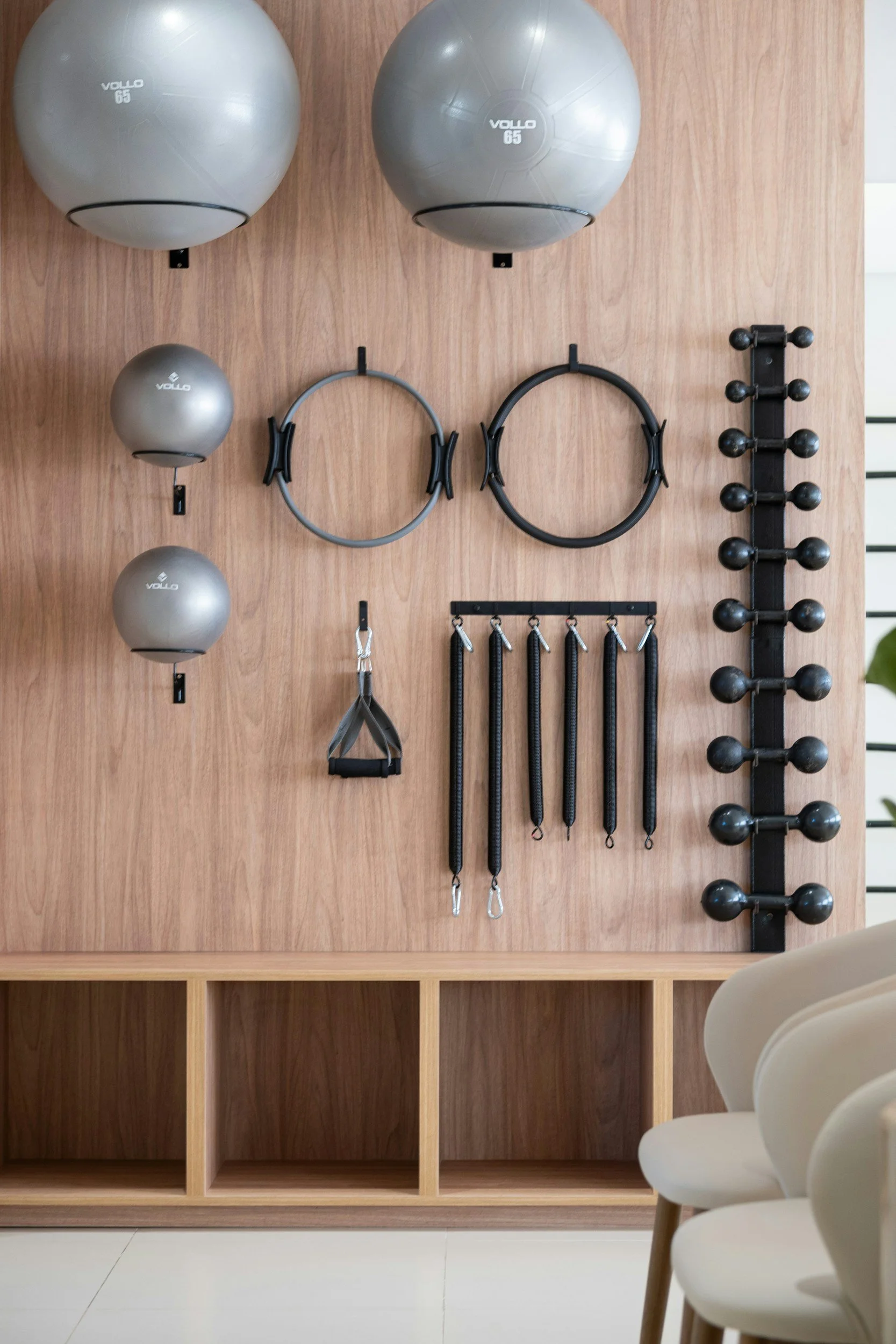
Once you’ve started rebuilding confidence through small, steady moves, a change of environment can help those new habits take root faster. A wellness retreat can catalyze reinvention after divorce because it gives you protected time away from familiar routines and roles, space to hear your own thoughts, not just react to your day. The best retreats help you reconnect with your body through movement, breath, and rest, which can be especially grounding when you’re rebuilding a sense of self.
If you’re looking for a structured option, Vita Vie Retreat in Delray Beach offers boutique fitness and wellness retreats that blend beachside workouts, mind-body practices, healthy cuisine, and mindset coaching, an intentional reset designed to help you step back into your life feeling stronger and clearer.
Questions Women Ask When Starting Over After Divorce
Q: What if I feel “behind” because my life didn’t go as planned?
A: You are not behind, you are rebuilding. Knowing that over one-third of marriages end in divorce can help normalize what you are experiencing, even if it still hurts. Pick one measurable focus for the next two weeks, like daily walks, a savings goal, or one social plan.
Q: How do I rebuild confidence when I have setbacks or bad days?
A: Treat setbacks as data, not a verdict. Write down what triggered the spiral, then choose one small “reset” action you can repeat, like a 10-minute tidy, a shower, or texting a supportive friend. Consistency matters more than intensity.
Q: Why do I feel lonely even when I chose to divorce?
A: Grief and relief can coexist, and loneliness is a normal adjustment. Create a structure that includes people, such as a weekly class, volunteer shift, or standing coffee date. If nights are hardest, plan a calming routine before bed.
Q: How can I coparent without losing my peace?
A: Keep communication brief, factual, and child-focused, and use written channels when possible. The greatest gifts a parent, giving up the anger idea can be a helpful north star when emotions run high. If a conversation escalates, pause and revisit it later.
Q: When will I know I’m making progress?
A: Look for quieter wins: fewer rumination loops, quicker recovery after triggers, and more follow-through on promises to yourself. Track one weekly metric, like mood, sleep, or social connection, and review it monthly. Progress is often gradual, then suddenly obvious.
Choose One Confidence-Building Step to Lead Your Next Chapter
After divorce, it’s easy to feel pulled between relief and doubt, wondering if confidence will ever feel natural again. The path forward is a future-focused mindset built on self-trust, steady boundaries, and a compassionate view of progress; your post-divorce transformation summary doesn’t have to be perfect to be real. With that approach, renewed inspiration grows from evidence, and taking charge after divorce starts to feel practical, not abstract. Confidence returns when your choices match your values, one small decision at a time. Choose one small action this week that reinforces your independence and follow through, even if it feels uncomfortable. That simple consistency is empowerment motivation that supports long-term stability, resilience, and healthier relationships.
Dive Into More
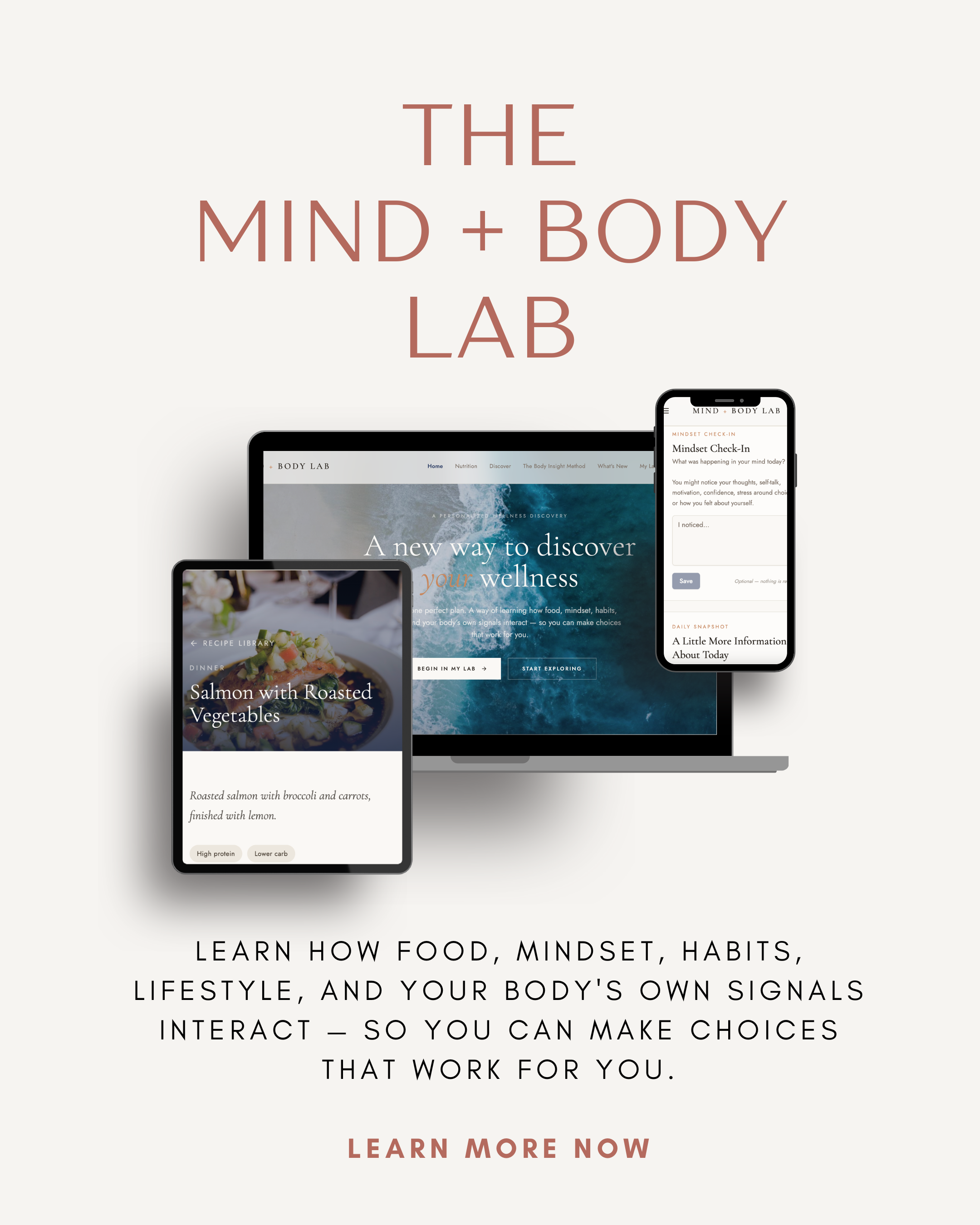
THE MIND + BODY LAB - SAY HELLO TO A NEW WAY TO APPROACH YOUR WELLNESS
A way of learning how food, mindset, habits, lifestyle, and your body's own signals interact — so you can make choices that work for you.
Includes:
Nutrition Pathways (Mediterranean, High Protein, GLP-1 & More - recipes, meal plans & action steps)
Discovery - tools & educations to learn and experiment with. Enjoy topics from mindset (identity, self-talk, limiting beliefs, perfectionism), self-care, habits and motivation to nutrition and eating behaviors.
The Body Insight Method - Learn how to tune into your body & lifestyle to create a wellness plan that works for you.
What’s New (interactive) - A space for our coaches to post weekly topics, reflective thoughts, monthly challenges and more. This is also a place for interaction. You can comment and ask questions to learn more!
My Lab (intuitive + interactive) - Your personal space to practice what you’re learning. Check in, reflect and notice what you’re learning and what’s working (or what isn’t). Let the lab provide helpful tips and pattern recognition to support your wellness & mindset goals.
Get The Mind + Body Lab Today!