



The Power of Gratitude: Shifting Mindsets and Behaviors
/
Gratitude is more than simply saying “thank you.” It’s a practice of paying attention to what you appreciate, what feels meaningful, and what is already present in your life. And I think that distinction matters.
Gratitude doesn’t require you to ignore the difficult things happening around you. You can be frustrated with your job and still appreciate the people you work with. You can be going through a challenging season and still be grateful for the people who show up for you. You can be disappointed about something that didn’t work out and still recognize what you’ve learned from the experience.
More than anything, gratitude gives you another place to put your attention.
Our attention naturally tends to go toward what needs to be fixed, what went wrong, what we’re worried about, or what we still don’t have. Practicing gratitude creates an opportunity to notice something else: what is working, what feels good, what you value, and what you might otherwise overlook. And what you consistently pay attention to becomes more familiar.
That doesn’t mean gratitude magically changes your circumstances. It means it can change the way you experience and respond to those circumstances.
In this post, we’ll explore why gratitude matters, how it can influence your mindset and behaviors, simple ways to practice it, what gratitude can look like in everyday life, and some of the potential benefits of making it part of your routine.
The Importance of Gratitude
Gratitude is the practice of recognizing and appreciating the good things in your life. Those things don’t have to be extraordinary. In fact, some of the most meaningful moments of gratitude are often incredibly ordinary.
A good cup of coffee in the morning.
A walk outside when the weather is beautiful.
A friend who checks in when you need it.
Your body getting you through a challenging workout.
A quiet house.
A great conversation.
A meal you really enjoyed.
Having the time to sit and watch the sunset.
When you begin looking for these moments, you may realize there is more to appreciate than you initially noticed. That’s especially meaningful in a world that constantly gives us reasons to believe we need more. More money. More success. More experiences. More followers. A different body. A better job. A bigger house. The next vacation. The next goal.
There is nothing wrong with wanting to grow or wanting something different. I’m a big believer in setting goals and continuing to learn and evolve. But there’s a difference between wanting more and believing that what you have right now isn’t enough. Gratitude helps create some space between the two.
You can want to lose weight and still appreciate your body.
You can want to improve your health and still appreciate where you are today.
You can have goals for your career and still appreciate the work you’re doing right now.
You can be working toward something new while recognizing that there are already parts of your life that are pretty wonderful.
That’s where I think gratitude becomes especially powerful. It brings you back to the present. Instead of constantly living in the gap between where I am and where I want to be, gratitude gives you a reason to notice where I am. And sometimes, that changes the question from “What am I missing?” to “What am I overlooking?”
Benefits of Gratitude
1. Improved Mental Well-Being
Gratitude can change what you pay attention to.
That doesn’t mean ignoring the hard parts of life or forcing yourself to be positive when you’re not feeling that way. Gratitude is more about intentionally noticing what is good, meaningful, supportive, or simply okay in your life alongside whatever else is happening.
When practiced regularly, gratitude may help shift your attention away from constantly focusing on what’s missing, what went wrong, or what still needs to be fixed. Over time, that can support a more balanced perspective and help you notice that a difficult day can still contain something good.
Try this: At the end of the day, write down three things you appreciated. They don’t have to be profound. A good conversation, your morning coffee, sunshine, a great workout, or simply having a few quiet minutes to yourself all count.
2. Supporting Your Physical Health
Gratitude isn’t a substitute for good nutrition, movement, sleep, medical care, or any of the other things that support physical health. But the way we think and feel can influence how we care for ourselves.
When you’re paying attention to what you appreciate about your body and your life, you may also become more aware of the choices that help you feel good. That might mean going for a walk because you enjoy how you feel afterward, getting enough sleep because you recognize how much better you function when you’re rested, or choosing nourishing food because you appreciate what it does for your body.
Rather than using gratitude as another reason to pressure yourself to be healthier, think of it as a way to build a more positive relationship with your body and your everyday habits.
Try this: Instead of focusing only on what you want to change about your body, notice something your body allows you to experience today. Maybe you can walk, dance, lift something heavy, hug someone you love, swim, breathe deeply, or simply get through a busy day.
3. Stronger Relationships
Feeling appreciated matters.
Taking the time to acknowledge the people in your life can strengthen connection and create more opportunities for positive interactions. And gratitude doesn’t have to be a big declaration. Sometimes it’s as simple as telling someone, I really appreciated that you did that for me, or sending a quick message to let someone know you’re thinking about them.
There’s also something powerful about becoming more aware of the people who support you. When life gets busy, it’s easy to focus on what you need from everyone else and overlook the people who are already showing up for you.
Try this: Think of one person who has made your life a little better recently and tell them why you appreciate them. Be specific. A genuine thank-you can go a long way.
4. Increased Happiness and Life Satisfaction
Gratitude doesn’t mean being happy all the time. Life is going to include disappointment, stress, frustration, grief, uncertainty, and days when you simply aren’t feeling particularly grateful.
The practice is learning to notice what is still good.
Sometimes we get so focused on the next goal, the next purchase, the next vacation, the next five pounds, or the next version of our lives that we miss the experience we’re actually having right now.
Gratitude can be a way of bringing your attention back to the present and recognizing what already exists in your life that you value.
Try this: The next time something good happens, don’t immediately move on to the next thing. Pause for a few seconds and actually take it in. Let yourself notice, This feels good. I’m grateful for this.
5. Greater Resilience
Gratitude won’t make difficult experiences disappear, but it can help you hold a more balanced perspective when life gets hard.
When something goes wrong, our attention can naturally narrow around the problem. Practicing gratitude gives you another place to look. You can acknowledge what is difficult while also noticing what is still supporting you, what you’ve learned, who is beside you, or what is going right.
That doesn’t mean putting a positive spin on something painful. It means recognizing that more than one thing can be true at the same time.
This is hard—and I have people who love me.
I’m disappointed—and I’m learning something from this.
Today didn’t go the way I wanted—and there are still things I appreciate.
That ability to hold a bigger picture can be a valuable part of navigating challenging seasons.
Try this: When something isn’t going well, ask yourself, “What is still okay?” You’re not dismissing the problem. You’re simply giving your brain another piece of information to work with.
Incorporating Gratitude into Daily Practice
Gratitude Journal: Spend a few minutes each day writing down things you are grateful for. This could be as simple as a delicious meal, a kind gesture from a friend, or a beautiful sunset. Consistency is key, so try to make this a daily habit.
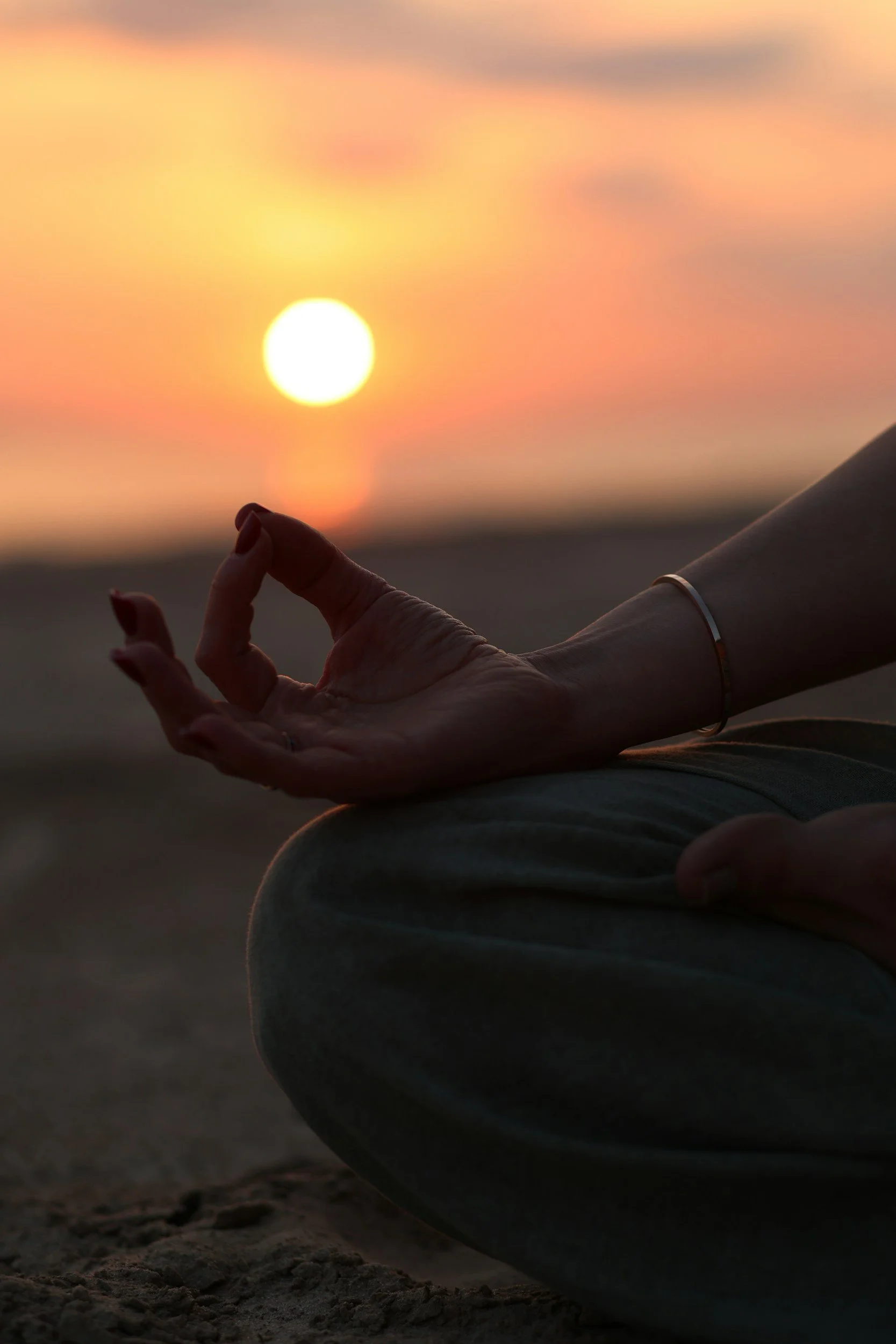
Gratitude Meditation: Begin or end your day with a gratitude meditation. Focus on the things you are thankful for and allow yourself to feel the positive emotions associated with them. This practice can help set a positive tone for your day or bring peace before sleep.
Expressing Gratitude: Make it a point to express your gratitude to others. Write thank-you notes, send appreciative messages, or verbally acknowledge someone's efforts. This not only makes others feel valued but also reinforces your own sense of gratitude.
Gratitude Reminders: Place reminders around your home or workspace to prompt feelings of gratitude. This could be in the form of quotes, photos, or objects that bring you joy and remind you of your blessings.
Examples of Gratitude in Action
Morning Routine: Start your day by listing three things you are grateful for before you even get out of bed. This simple act can set a positive tone for the day ahead.
Meals: Before eating, take a moment to appreciate the food in front of you, the effort that went into preparing it, and the people who made it possible.
Workplace: At the end of your workday, reflect on what went well, the support you received, or the achievements you accomplished. Share your appreciation with colleagues.
Evening Reflection: Before going to sleep, think about the positive experiences of your day. Reflect on the moments that made you smile or the people who made your day better.
Try a tool, experiment with gratitude, develop a consistent practice and see how it shifts or changes in your everyday life.
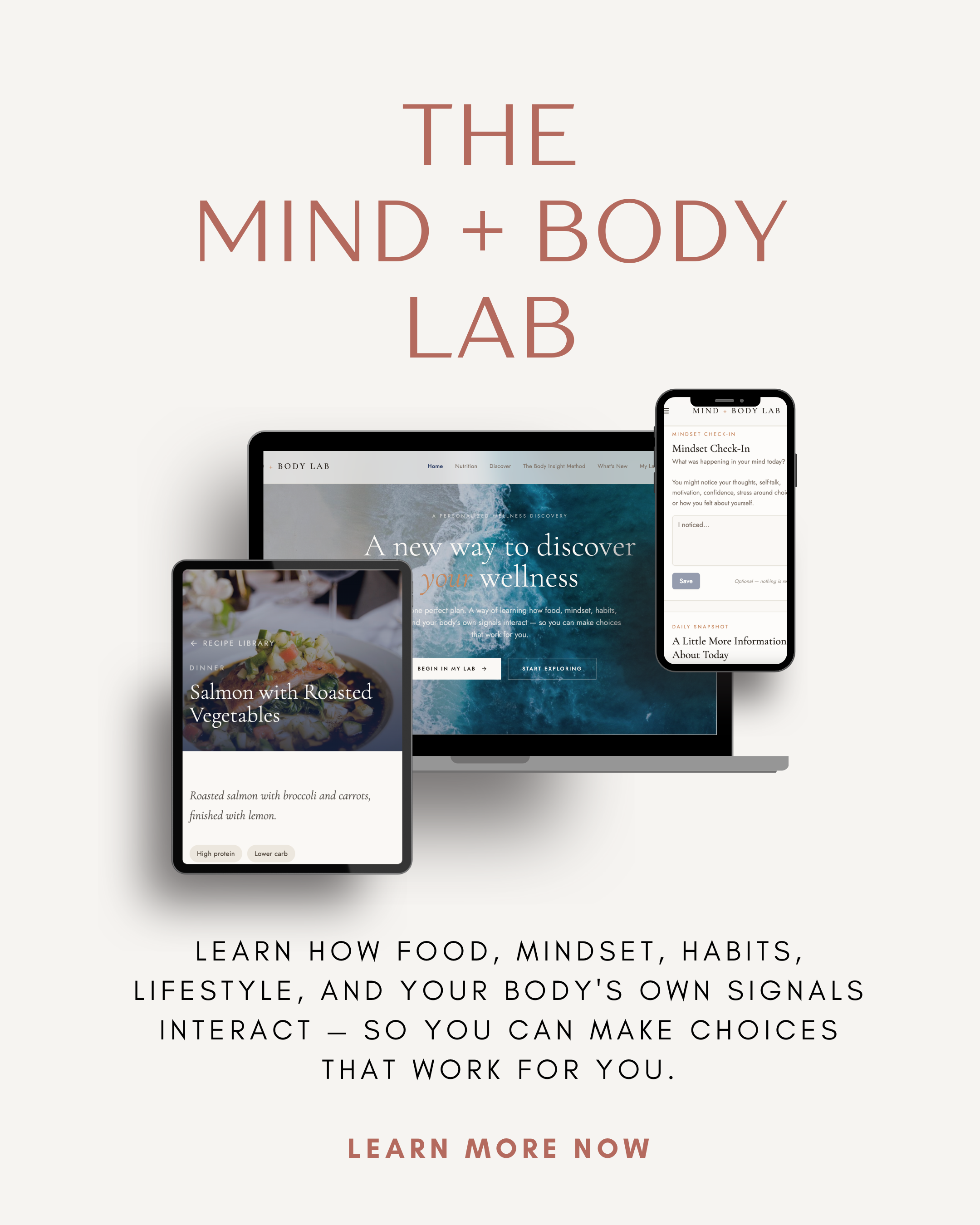
→ Want more support? Explore Mind + Body Lab.
THE MIND + BODY LAB - SAY HELLO TO A NEW WAY TO APPROACH YOUR WELLNESS
A way of learning how food, mindset, habits, lifestyle, and your body's own signals interact — so you can make choices that work for you.
Includes:
Nutrition Pathways (Mediterranean, High Protein, GLP-1 & More - recipes, meal plans & action steps)
Discovery - tools & educations to learn and experiment with. Enjoy topics from mindset (identity, self-talk, limiting beliefs, perfectionism), self-care, habits and motivation to nutrition and eating behaviors.
The Body Insight Method - Learn how to tune into your body & lifestyle to create a wellness plan that works for you.
What’s New (interactive) - A space for our coaches to post weekly topics, reflective thoughts, monthly challenges and more. This is also a place for interaction. You can comment and ask questions to learn more!
My Lab (intuitive + interactive) - Your personal space to practice what you’re learning. Check in, reflect and notice what you’re learning and what’s working (or what isn’t). Let the lab provide helpful tips and pattern recognition to support your wellness & mindset goals.
Get The Mind + Body Lab Today!