





What 1500 Calories Looks Like
/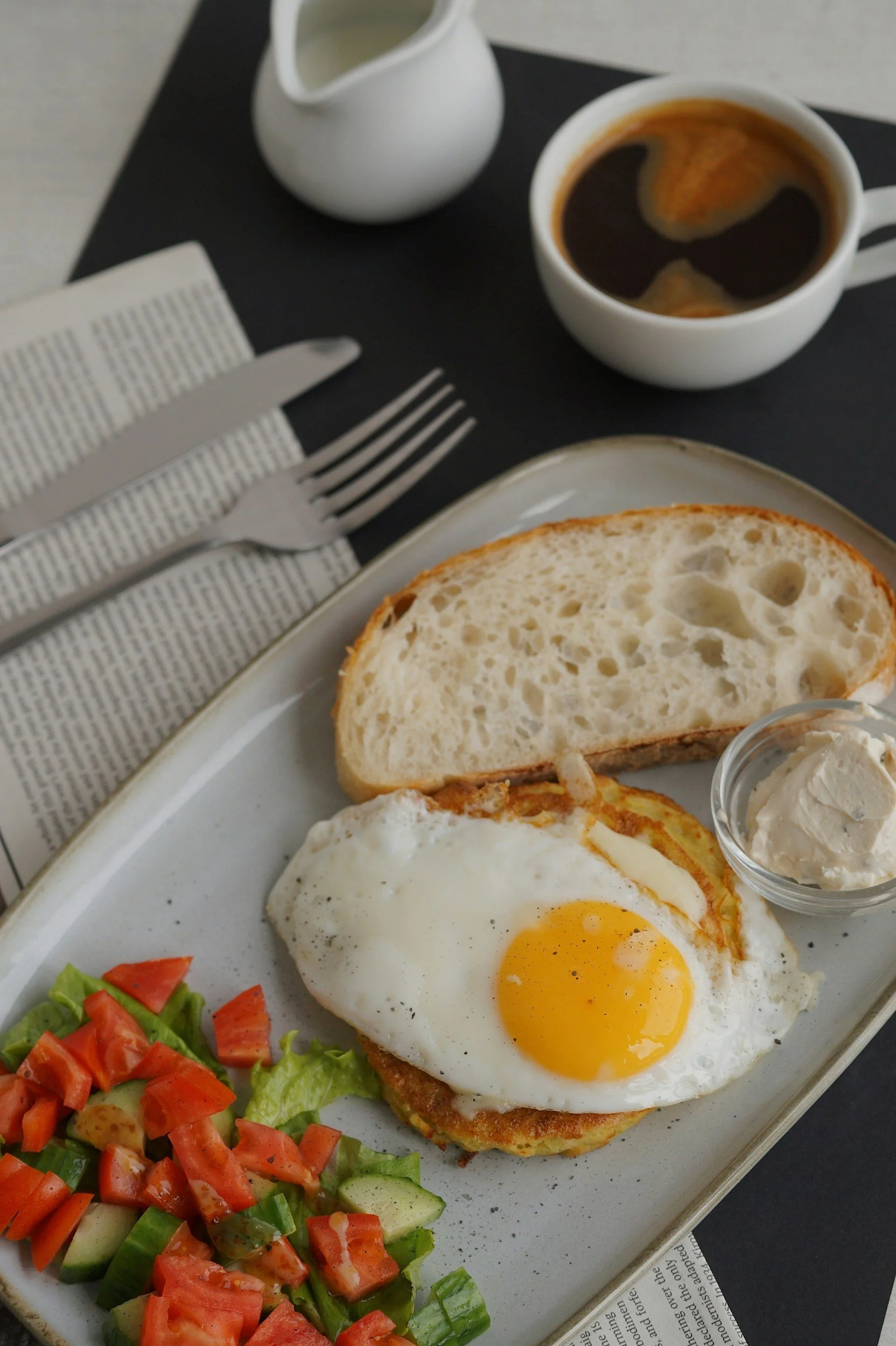
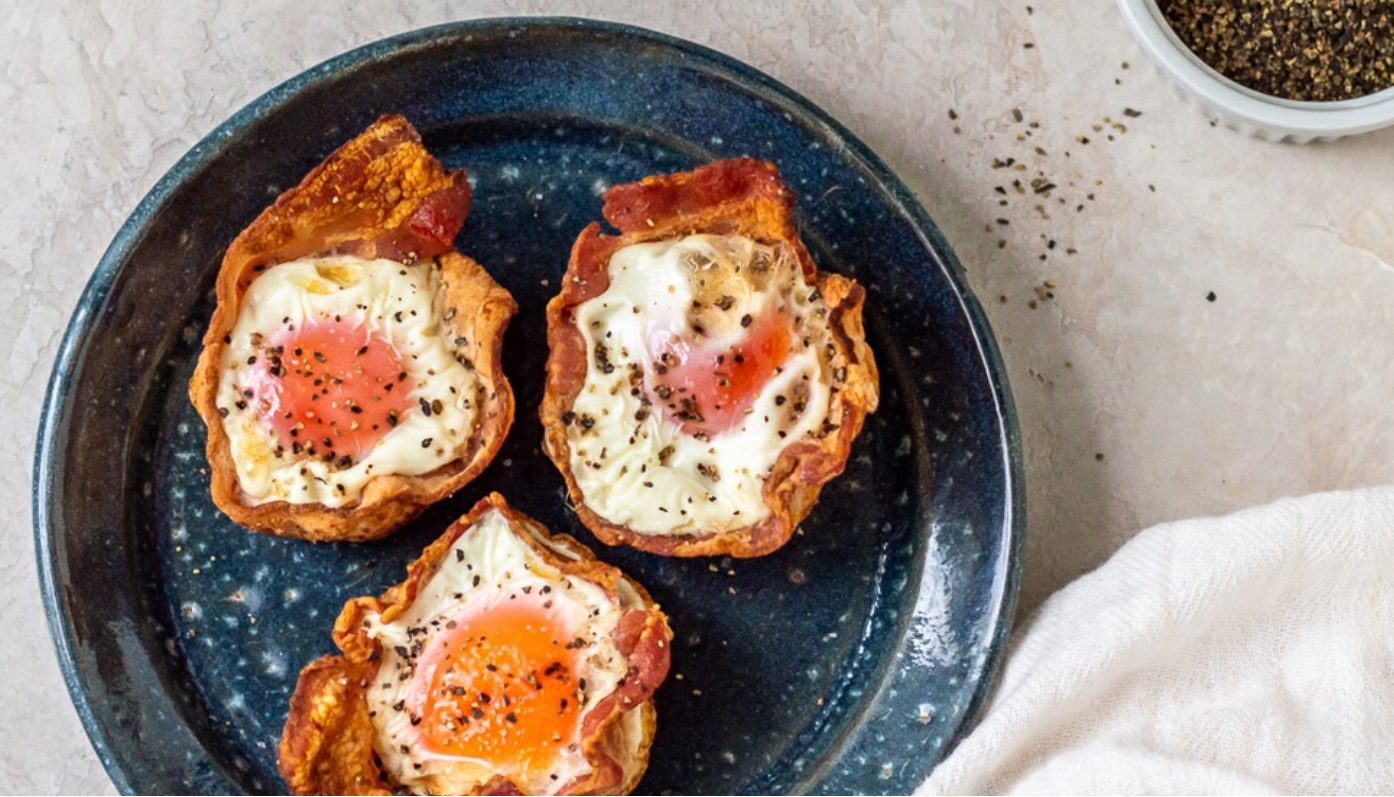
The goal of this post is to give you a practical, real-life look at what 1,500 calories can actually look like on a plate. Calories get talked about a lot, but without context, they can feel abstract and confusing — especially if you’ve never tracked before or aren’t sure where to begin.
Rather than focusing on numbers alone, I’ve put together a sample day of meals based on foods I genuinely eat. This isn’t a rigid plan or a recommendation for everyone — it’s simply an example to help you visualize how 1,500 calories might be distributed across a balanced, satisfying day of eating.
Read More











Craving a cheesesteak but want something a little lighter and easier to make at home? This High-Protein Low-Carb Cheesesteak Skillet has all the good stuff—seasoned ground beef, sautéed mushrooms, onions, bell peppers, and melty provolone cheese—without the bun.
It comes together in about 30 minutes and makes an easy, satisfying weeknight meal.