



Mood Foods: 10 Foods That May Help Boost Your Mood Naturally
/
When we think about our mood, we usually look outside of ourselves for the answer. We look to the external.
Maybe you're stressed about work. Maybe there's tension in a relationship, you're worried about finances, you're overwhelmed by family responsibilities, or you're simply having one of those days when everything feels a little harder than usual. And, of course, all of those things matter.
Our mood is influenced by what is happening around us, how we're thinking about ourselves, how we're sleeping, how much stress we're carrying, and how we're feeling about our health and our lives as a whole. But there's another piece of the puzzle that we don't always think about:
What we eat can influence how we feel.
Food doesn't determine your mood, and eating a particular food isn't going to magically turn a bad day into a great one. But certain nutrients play important roles in brain health, neurotransmitter production, inflammation, blood sugar regulation, and the gut-brain connection. In other words, your brain is nourished by what you eat, too.
And some foods may be especially helpful when you're looking to support a more balanced, energized, and positive mood.
The Connection Between Food and Mood
Your brain is constantly communicating with the rest of your body.
Neurotransmitters such as serotonin and dopamine are involved in things like mood, motivation, reward, and emotional well-being. The production and regulation of these chemical messengers depends on a number of factors, including adequate nutrition.
There is also the fascinating connection between your gut and your brain.
Your digestive system and nervous system communicate with one another through what's often called the gut-brain axis. Your gut microbiome can interact with your immune system, nervous system, and brain, which is one reason researchers are increasingly interested in the relationship between digestive health and mental well-being.
And then there's blood sugar. Have you ever gone too long without eating and suddenly found yourself irritable, shaky, exhausted, or unable to concentrate? That's not necessarily a personality problem.
Your brain relies heavily on glucose for energy, so keeping meals balanced and avoiding dramatic swings in blood sugar may help support more consistent energy and mood throughout the day. So while food certainly isn't the only factor affecting how you feel, it can be one piece of the bigger picture.
→ Want to go beyond the basics? Explore The Mind + Body Lab and discover the tools, guidance, and support to help you create lasting wellness.
10 Mood-Supporting Foods to Add to Your Plate
There isn't one magical "happy food." Instead, think about incorporating a variety of nutrient-dense foods that provide the building blocks your brain and body need.
1. Fatty Fish Like Salmon
Salmon, sardines, trout, and other fatty fish are rich in omega-3 fatty acids, particularly EPA and DHA.
Omega-3 fats are important components of brain cell membranes and play a role in brain health and inflammation regulation. Research has also explored their relationship with mood and depression.
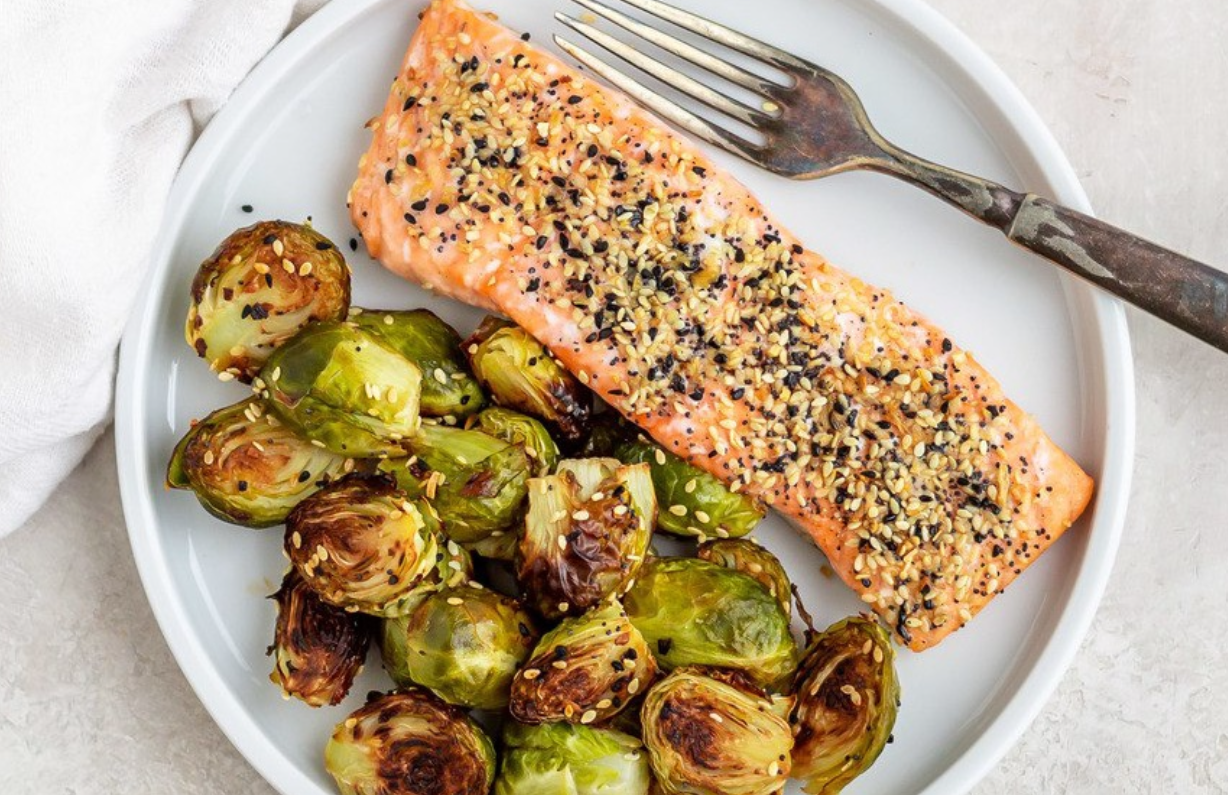
Try adding salmon to a Mediterranean-inspired bowl, serving it over greens, or making a simple salmon and roasted vegetable dinner.
Mood-supporting nutrients: Omega-3 fatty acids, protein, vitamin D, B vitamins
2. Dark Chocolate
Yes, chocolate can make the list—and there's more to it than simply tasting delicious.
Dark chocolate contains cocoa compounds such as flavonoids, along with minerals like magnesium. Cocoa also contains compounds that may influence brain signaling and blood flow.
And there's something else worth acknowledging: food is supposed to be enjoyable.
Eating something you genuinely love can be part of a healthy relationship with food.
Choose dark chocolate with a higher percentage of cocoa and enjoy a small portion mindfully rather than treating it as something you need to feel guilty about.
Mood-supporting nutrients: Cocoa flavonoids, magnesium, iron
3. Fermented Foods Like Yogurt
Your gut and brain are in constant communication, which makes fermented foods particularly interesting when we're talking about mood.
Foods such as plain yogurt with live cultures, kefir, sauerkraut, kimchi, and other fermented foods can provide beneficial microorganisms that contribute to a healthy gut microbiome.
The research surrounding probiotics, the gut microbiome, and mood is still developing, but it's an exciting area of nutrition science.
For an easy option, try plain Greek yogurt topped with berries, nuts, and a little dark chocolate.
Mood-supporting nutrients: Probiotics/live cultures, protein, calcium, B vitamins
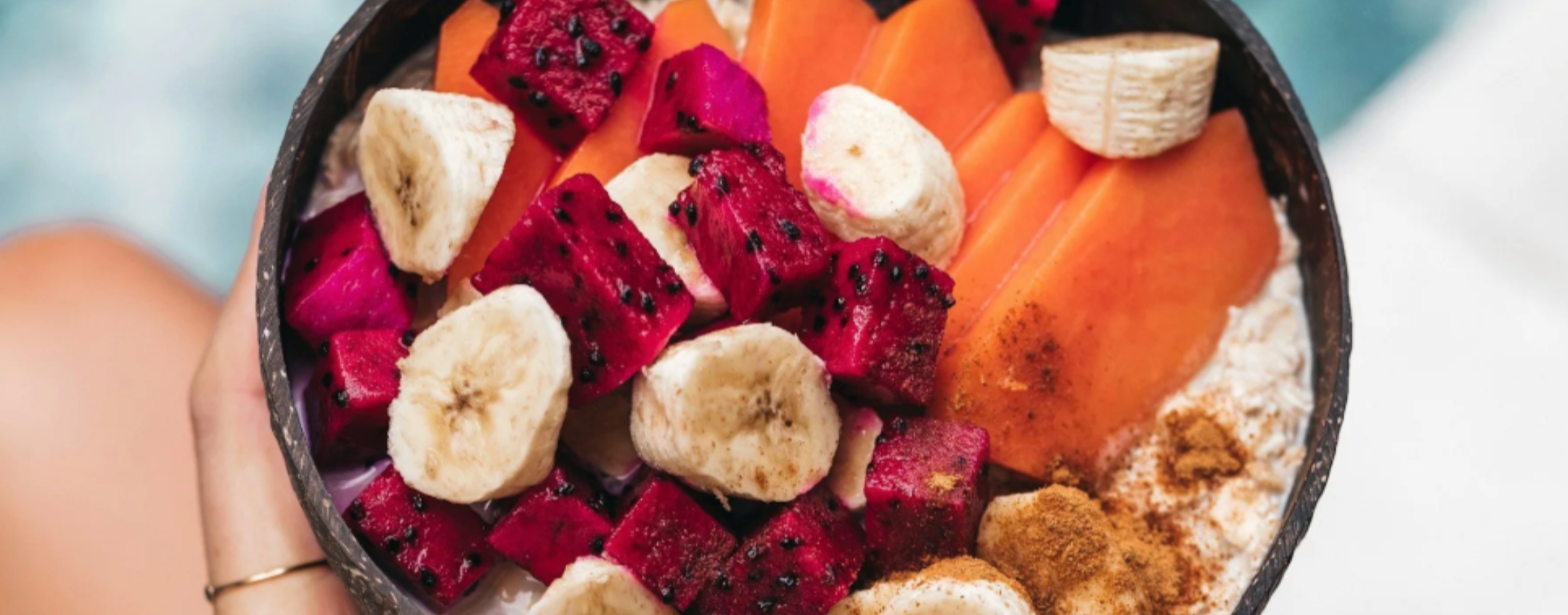
4. Bananas
Bananas are an easy, affordable source of carbohydrates, fiber, potassium, and vitamin B6.
Vitamin B6 is involved in the production of several neurotransmitters, including serotonin and dopamine.
And because carbohydrates provide glucose for the brain, pairing a banana with protein or healthy fat can make it an especially satisfying snack.
Try a banana with almond butter, sliced over oatmeal, or blended into a smoothie.
Mood-supporting nutrients: Vitamin B6, carbohydrates, potassium, fiber
5. Oats
Oats are one of those simple foods that quietly do a lot of nutritional heavy lifting.
They're rich in complex carbohydrates and fiber, including beta-glucan. Their slower digestion can help provide more sustained energy compared with highly refined carbohydrates.
And because oats are so easy to combine with other nutrient-dense foods, they're an excellent foundation for a mood-supporting breakfast.
Try oatmeal topped with berries, walnuts, cinnamon, and a spoonful of Greek yogurt.
Mood-supporting nutrients: Complex carbohydrates, fiber, magnesium, iron, B vitamins
6. Nuts and Seeds
Almonds, walnuts, pistachios, chia seeds, flaxseeds, and pumpkin seeds provide an impressive combination of healthy fats, fiber, protein, magnesium, and other micronutrients.
Walnuts are particularly interesting because they provide plant-based omega-3 fatty acids.
The combination of protein, fat, and fiber also makes nuts and seeds a great choice when you want a snack that's satisfying and less likely to leave you hungry again 30 minutes later.
Mood-supporting nutrients: Healthy fats, magnesium, fiber, protein, omega-3 fatty acids
7. Berries
Strawberries, blueberries, raspberries, and blackberries are rich in fiber and plant compounds called polyphenols.
Berries are also an easy way to add more variety and color to your diet without making your meals complicated.
Add them to yogurt or oatmeal, blend them into a smoothie, or simply eat them by the handful.
Mood-supporting nutrients: Fiber, vitamin C, polyphenols, antioxidants
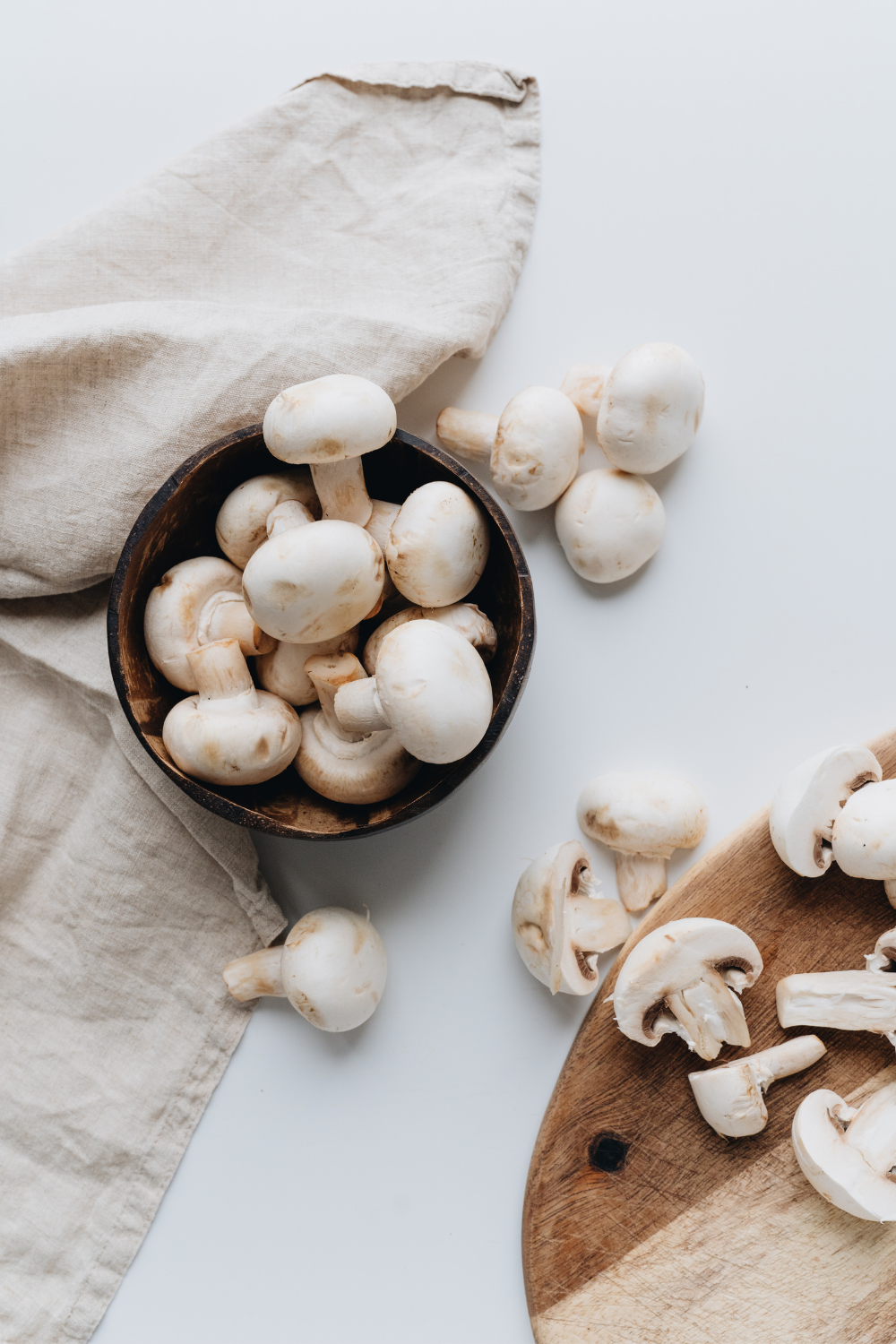
8. Mushrooms
Mushrooms are an especially interesting addition to a mood-supporting diet because certain mushrooms can provide vitamin D.
Vitamin D plays an important role in bone and muscle health, immune function, and many other processes throughout the body. Researchers have also found associations between vitamin D status and depression, although the relationship is complex and maintaining adequate vitamin D levels isn't a guarantee against depression.
Here's something many people don't realize: some mushrooms can make vitamin D when they're exposed to ultraviolet light.
Wild mushrooms that naturally grow outdoors may contain vitamin D, and some commercially grown mushrooms are intentionally exposed to UV light to increase their vitamin D content.
So when shopping, look for mushrooms that have been exposed to UV light or are specifically labeled as a source of vitamin D.
Add mushrooms to omelets, soups, grain bowls, stir-fries, or simply sauté them with olive oil and herbs.
Mood-supporting nutrients: Vitamin D, B vitamins, antioxidants
9. Chickpeas
If you're looking for a plant-based food that packs a nutritional punch, don't overlook the humble chickpea.
One cup of cooked chickpeas provides a significant amount of vitamin B6, along with plant-based protein, fiber, folate, iron, magnesium, and other nutrients.
Vitamin B6 plays an important role in brain development and function and is involved in the production of neurotransmitters, including serotonin and norepinephrine.
Chickpeas are also an excellent source of complex carbohydrates and fiber, making them a satisfying addition to meals.
Try adding chickpeas to salads, soups, grain bowls, or roasted vegetable dishes. Or turn them into hummus for an easy snack.
Mood-supporting nutrients: Vitamin B6, folate, magnesium, fiber, plant-based protein
10. Spinach
Spinach is another food worth adding to your mood-supporting menu, particularly because it's an excellent source of folate.
Folate is a B vitamin that plays a role in DNA synthesis, cell division, and the production and metabolism of neurotransmitters.
Research has found connections between folate status and mental health, although—as with most nutrients and mood—the relationship is more complicated than simply eating more of one food.
Spinach also provides magnesium, vitamin C, vitamin K, iron, and a variety of plant compounds.
Add a handful of spinach to your morning eggs, blend it into a smoothie, toss it into a salad, or sauté it as a simple side dish.
Mood-supporting nutrients: Folate, magnesium, vitamin C, iron, antioxidants
It's Not Just About Individual Foods
This is where things get really interesting. You don't necessarily need to start thinking about food as a list of individual ingredients that will make you happier. Instead, think about your overall eating pattern.
A meal containing salmon, quinoa, roasted vegetables, and leafy greens is doing something very different for your body than a meal made primarily from highly refined carbohydrates and added sugar. That doesn't mean you can never have the latter. It means that your everyday eating pattern can create a nutritional foundation that supports your brain and body.
This is one reason the Mediterranean-style pattern of eating is so interesting when we're talking about overall health and well-being. It emphasizes vegetables, fruits, whole grains, beans, nuts, seeds, olive oil, fish, and other minimally processed foods while still leaving plenty of room for enjoyment.
And perhaps most importantly, it isn't about perfection.
The Mood-Food Connection Goes Both Ways
There's another side to this conversation that is easy to miss.
Sometimes when we're stressed, overwhelmed, tired, or emotionally drained, we don't necessarily reach for the foods that make us feel our best.
We might:
skip meals
rely on caffeine
eat whatever is fastest
crave highly palatable foods
or we might spend the entire day eating very little and then wonder why we're exhausted and irritable by evening.
This is why I don't believe in looking at nutrition through the lens of "good foods" and "bad foods."
Instead, I like to ask: "What does my body need right now?"
Maybe you need a real meal, more protein, or you need some carbohydrates because you've been running on empty. Maybe you need something hydrating, or you just need to slow down. And maybe you might need to sit down and actually enjoy your food instead of eating it over the kitchen sink. Sometimes, maybe you simply need the chocolate. That's okay, too.
Build a Mood-Supporting Plate
Instead of trying to find one miracle mood-boosting food, try building meals that combine several of the nutritional elements your brain and body need.
A simple formula might look like:
Protein + fiber-rich carbohydrates + healthy fat + colorful plants
For example:
Breakfast:
Greek yogurt + berries + walnuts + oats
Lunch:
Salmon + quinoa + spinach + roasted vegetables + olive oil
Snack:
Banana + almond butter
Dinner:
Chickpea and vegetable grain bowl with greens, olive oil, and herbs
Something sweet:
A few squares of dark chocolate with berries
None of these foods is going to single-handedly make you happy.
But together, they create a nourishing pattern that supports your brain, provides steady energy, and gives your body the nutrients it needs to function well.
And Don't Forget the Other Mood Boosters
Food is one piece of the mood puzzle—but it's not the whole puzzle. Your mood is also influenced by sleep, movement, stress, social connection, sunlight, your environment, your thoughts, and what's happening in your life. So if you're having a difficult day, don't put pressure on yourself to "eat your way" into a better mood.
Instead, think about what small thing might support you right now:
a nourishing meal
a walk outside
going to bed earlier
calling someone you love
ten quiet minutes without your phone
Food can't solve every problem. But the food you eat can be one small, tangible way to take care of yourself from the inside out.
Your Mood-Food Takeaway
The next time you're planning a meal, don't just ask yourself, "What sounds good?"
Also ask: "What would make me feel good?"
Sometimes the answer might be a colorful, nutrient-dense meal packed with protein, healthy fats, fiber, and plants. It might be a bowl of warm oatmeal on a stressful morning. And sometimes it might be a piece of dark chocolate enjoyed slowly and without guilt.
There's room for all of it — because healthy eating isn't just about changing your body.
It's also about supporting the body—and the brain—that carries you through your life.
Read More
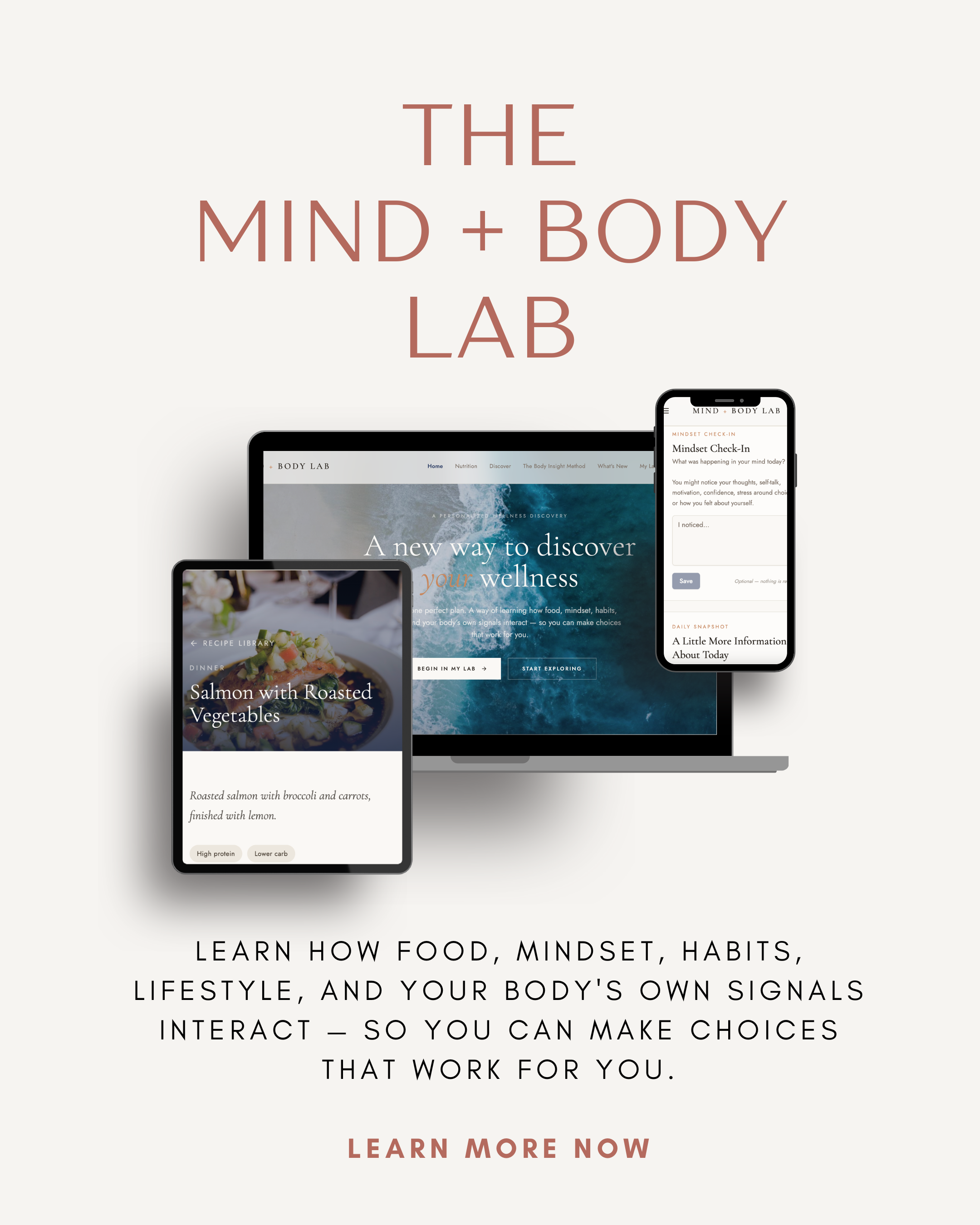
THE MIND + BODY LAB - SAY HELLO TO A NEW WAY TO APPROACH YOUR WELLNESS
A way of learning how food, mindset, habits, lifestyle, and your body's own signals interact — so you can make choices that work for you.
Includes:
Nutrition Pathways (Mediterranean, High Protein, GLP-1 & More - recipes, meal plans & action steps)
Discovery - tools & educations to learn and experiment with. Enjoy topics from mindset (identity, self-talk, limiting beliefs, perfectionism), self-care, habits and motivation to nutrition and eating behaviors.
The Body Insight Method - Learn how to tune into your body & lifestyle to create a wellness plan that works for you.
What’s New (interactive) - A space for our coaches to post weekly topics, reflective thoughts, monthly challenges and more. This is also a place for interaction. You can comment and ask questions to learn more!
My Lab (intuitive + interactive) - Your personal space to practice what you’re learning. Check in, reflect and notice what you’re learning and what’s working (or what isn’t). Let the lab provide helpful tips and pattern recognition to support your wellness & mindset goals.
Get The Mind + Body Lab Today!